 Pomegra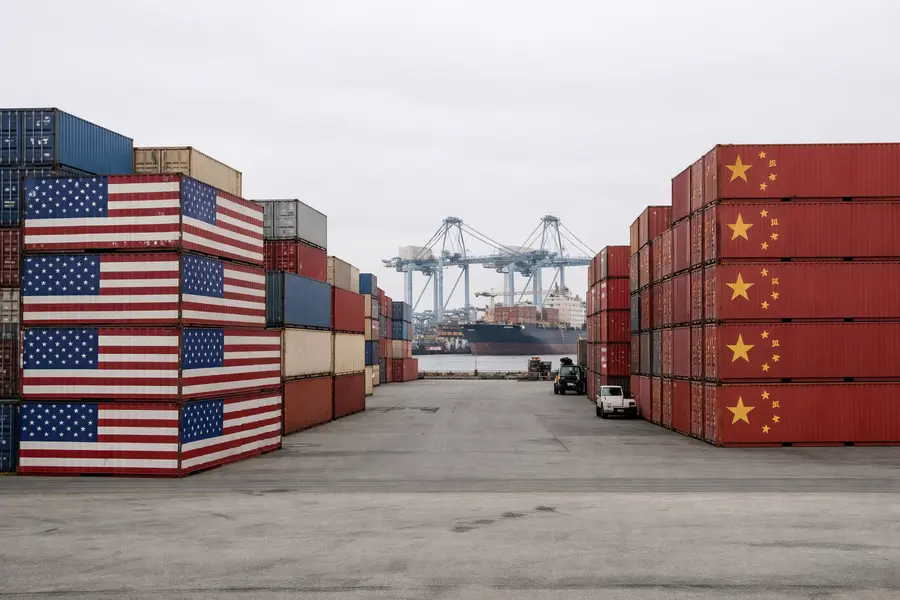
Geopolitics
MAJOR
2h ago5 min read
Bessent Extends US-China Trade Truce to Jan. 2027
Bessent confirms US-China trade truce extension to January 10, 2027 on Fox News, removing a key macro overhang for multinationals heading into Q4 2026.
Daily Digest
Daily Digest
Pomegra Newswire
Geopolitical news through a market lens: trade policy, sanctions, conflicts, and how global events flow through to commodities, currencies, and stocks.
Bessent confirms US-China trade truce extension to January 10, 2027 on Fox News, removing a key macro overhang for multinationals heading into Q4 2026.
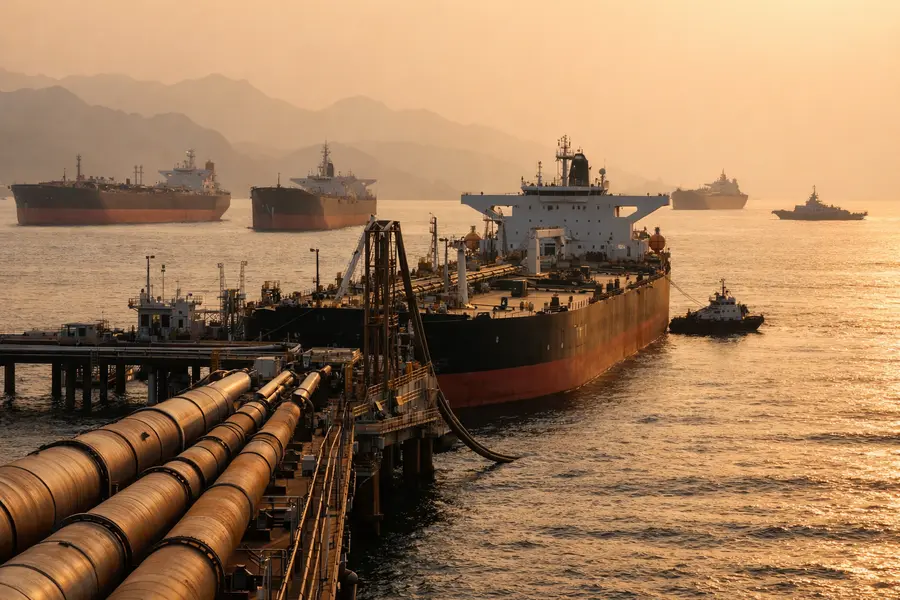
The U.S.-Israel-Iran conflict has sealed the Strait of Hormuz and shuttered the East-West Crude Oil Pipeline, triggering the largest energy supply disruption in history and halting 31% of global…
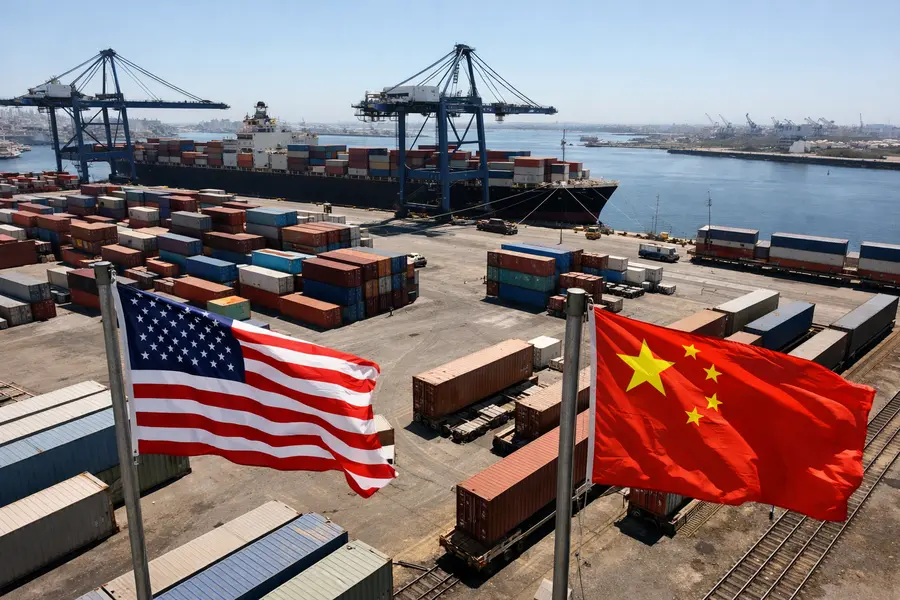
Trump and Xi agree to a trade truce and AI safety framework in Washington, but surging Treasury yields erase gains, ending markets flat to negative.
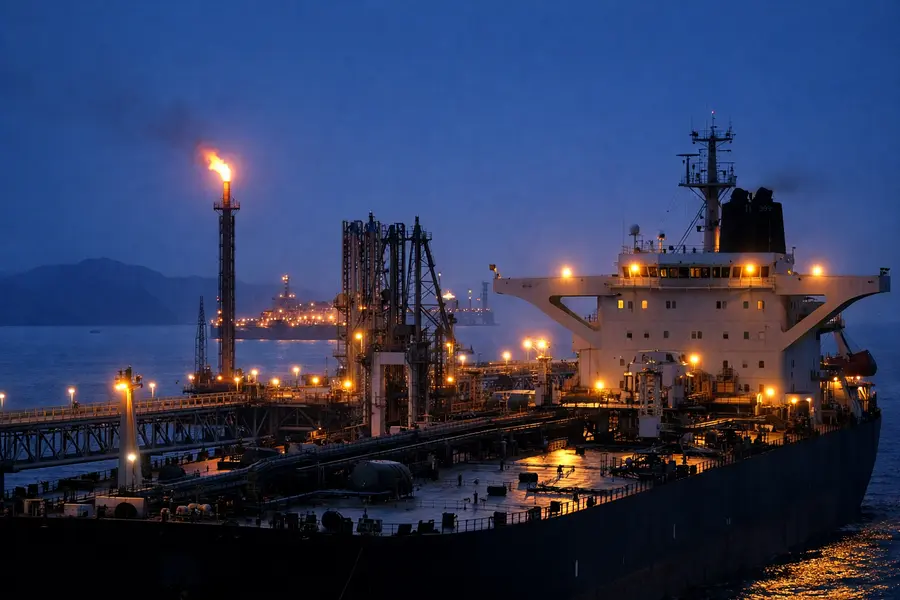
Brent crude tumbled 3% as Iran's Foreign Minister proposed reopening the Strait of Hormuz within seven days, offering a diplomatic off-ramp that relieved energy-driven inflation fears gripping…
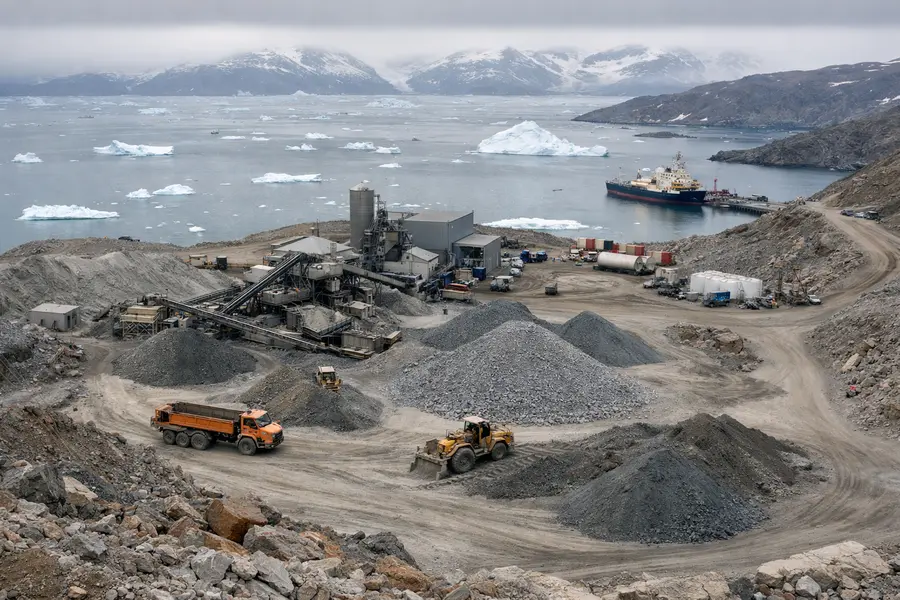
A Trump-brokered Arctic security and military-expansion deal at the UN General Assembly sent Greenland-linked mining stocks surging, with GRML up 245%, GLND up 150%, and CRML up 34%.

The Washington summit produced a tariff pause through January 10 and a structured AI dialogue framework, sending semiconductor and China ADR stocks to their highest levels in months.
Trump's three-hour UNGA bilateral with Iran's delegation and his openness to meeting President Pezeshkian drove WTI crude to a fourth straight loss, toward $79 a barrel.
Trump signs a permanent Arctic security deal at UNGA sidelines, granting expanded US military access to Greenland while preserving Danish sovereignty and defusing a months-long transatlantic crisis.
Trump presses Zelensky to halt strikes on energy infrastructure at a tense 40-minute UN bilateral while the White House weighs a US diesel export ban as record pump prices threaten November…
Iran's government denied a reported seven-day offer to reopen the Strait of Hormuz, whipsawing Brent crude 2.1% lower then back up, leaving energy markets unresolved heading into Tuesday.
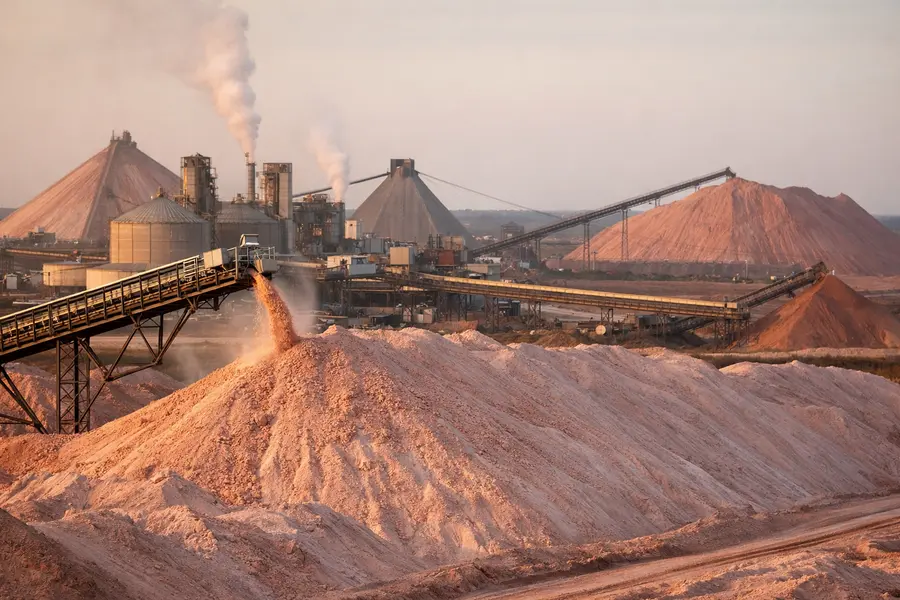
White House finalization of a below-market Belarusian potash purchase sent Nutrien down 4% and Mosaic over 2% lower as Lithuania vows to keep its Baltic ports closed to Belarusian cargo.
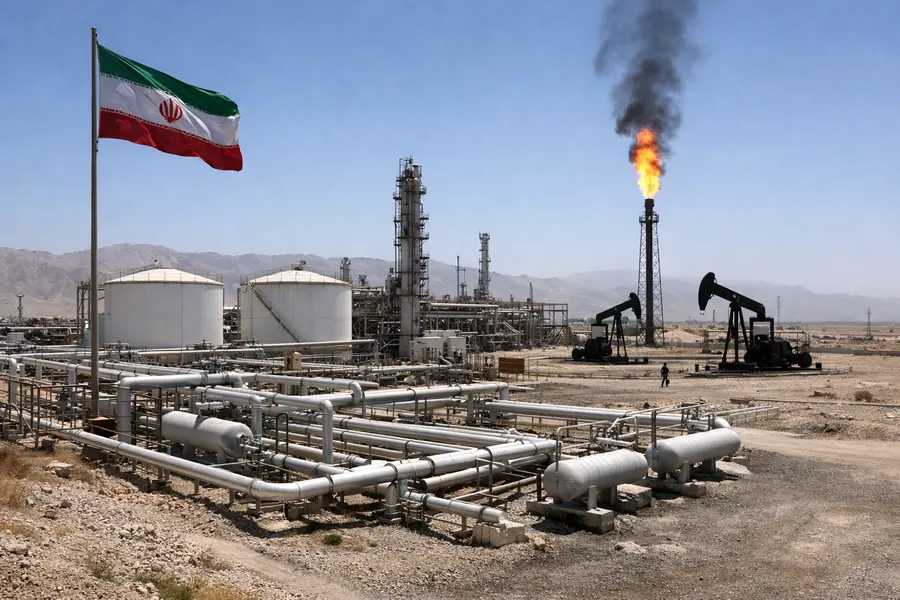
Iranian President Masoud Pezeshkian has arrived in New York for the UN General Assembly as Trump signals openness to a direct bilateral meeting, with Tehran's seven-point precondition list - led…
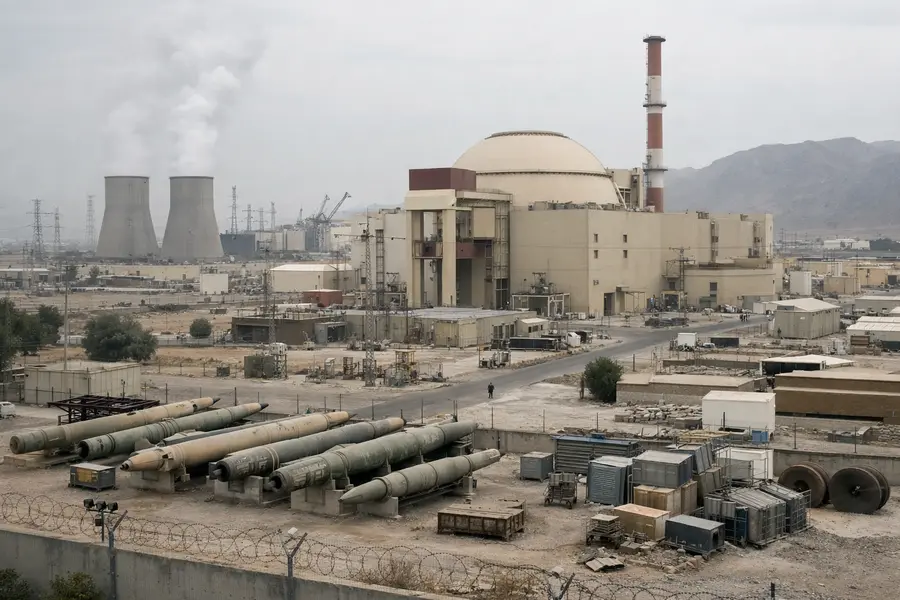
Trump brings all six GCC heads plus Iraq, Jordan, and Egypt to New York on September 22 to lock in a US postwar framework for Iran as November midterms loom seven months into the conflict.
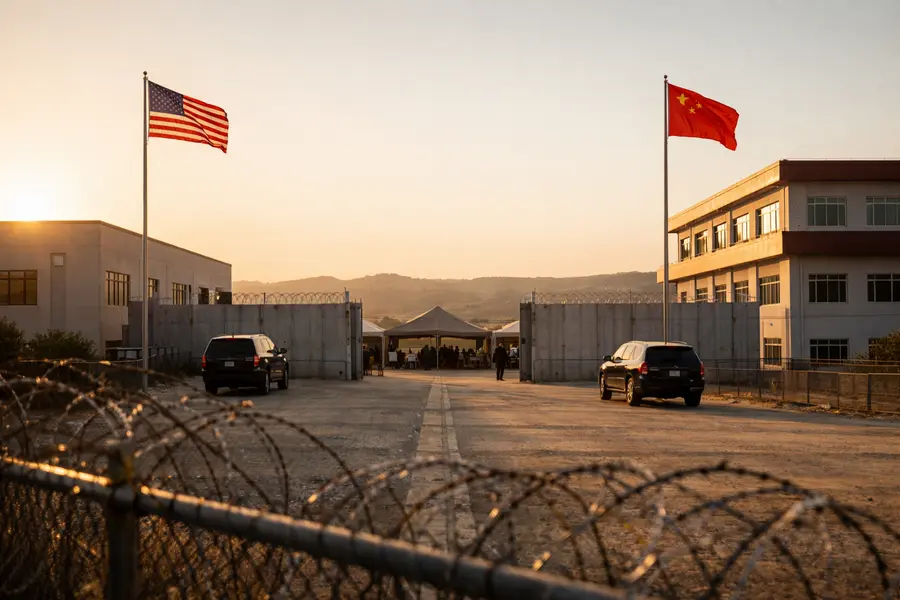
Treasury Secretary Bessent and Chinese Vice Premier He Lifeng launched full-day talks at JP Morgan's New York offices covering AI guardrails, rare earths, and the November 10 tariff truce…
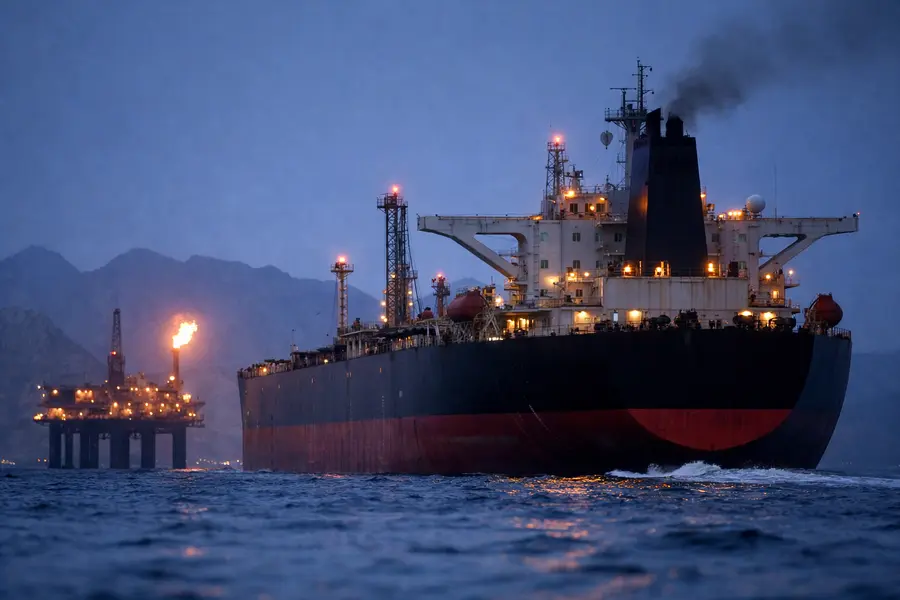
US forces struck three Iranian tankers overnight as Iran fired a ballistic missile at American warships, collapsing 95% of strait traffic and driving Brent crude to $100 in the worst oil supply…
Hours after von der Leyen proposed an unprecedented EU associate-membership for Canada in Strasbourg, Trump threatened "very serious tariffs" on any EU state that formalizes the arrangement,…
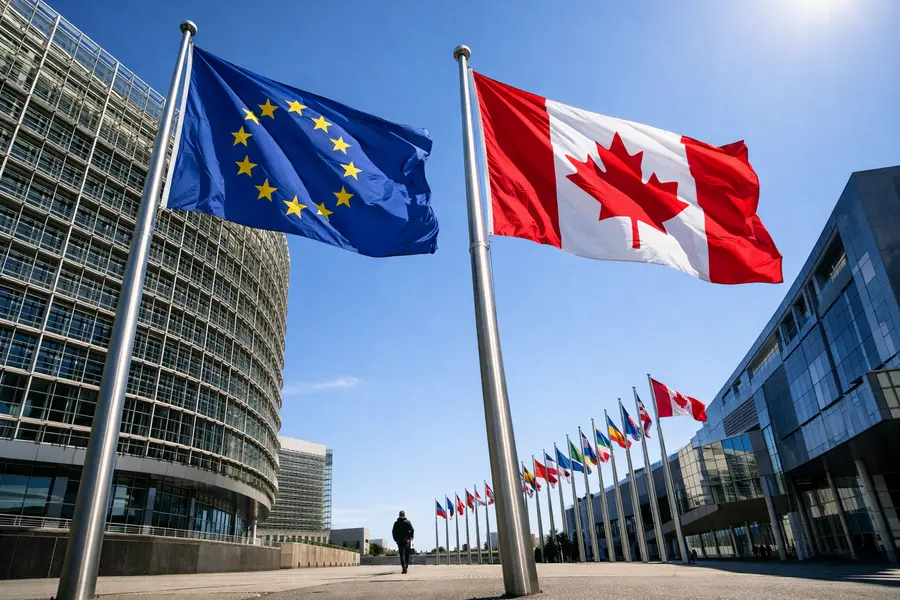
Von der Leyen named Canada as the EU's first-ever associate member in Strasbourg, marking a structural geopolitical break from the postwar Atlantic trade order.
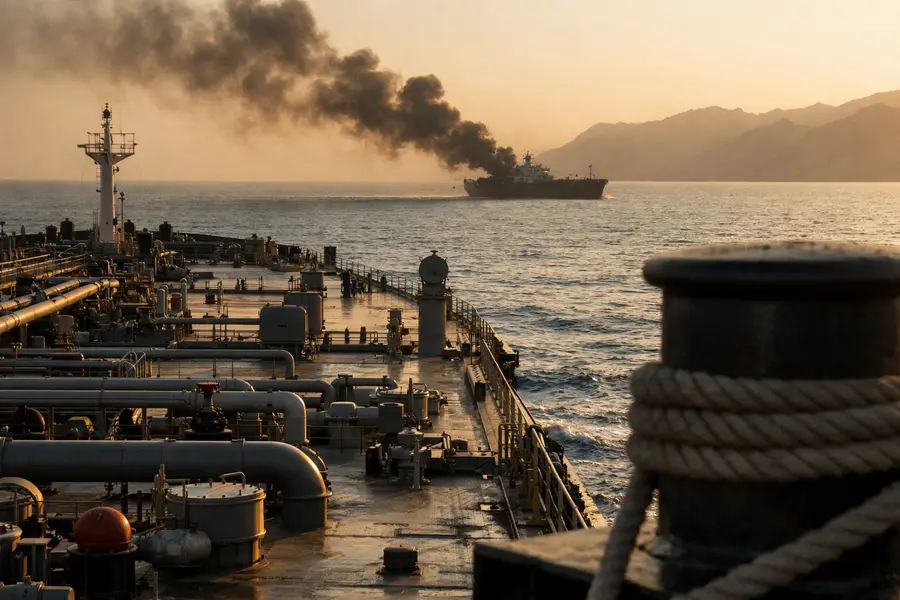
Maersk, Hapag-Lloyd and CMA CGM suspend Strait of Hormuz transits after Iranian drones strike two more tankers, pushing war-risk insurance premiums to record highs.
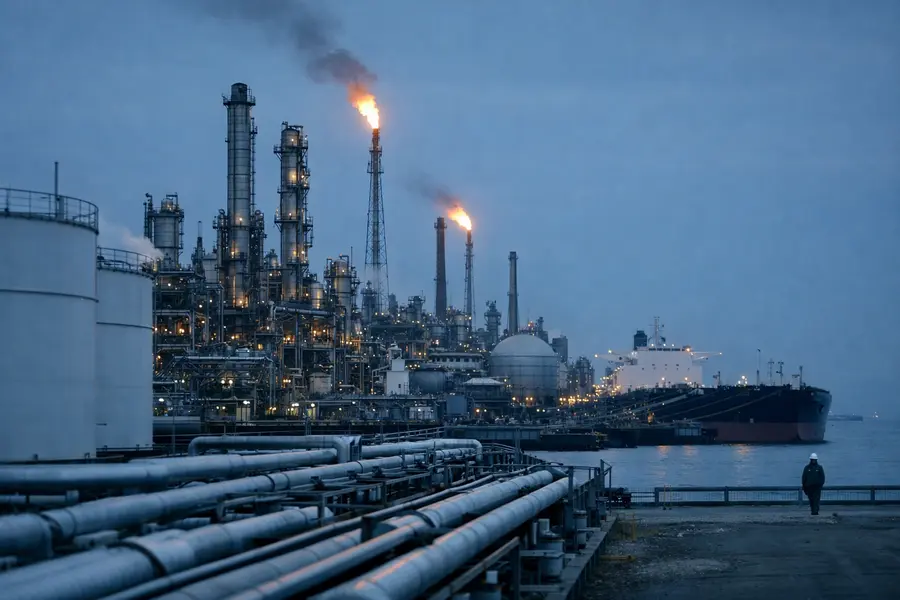
Saudi Aramco's cancellation of multiple September crude cargoes has left European refiners scrambling for replacement barrels, lifting Brent's premium to Urals to levels unseen in more than two years.
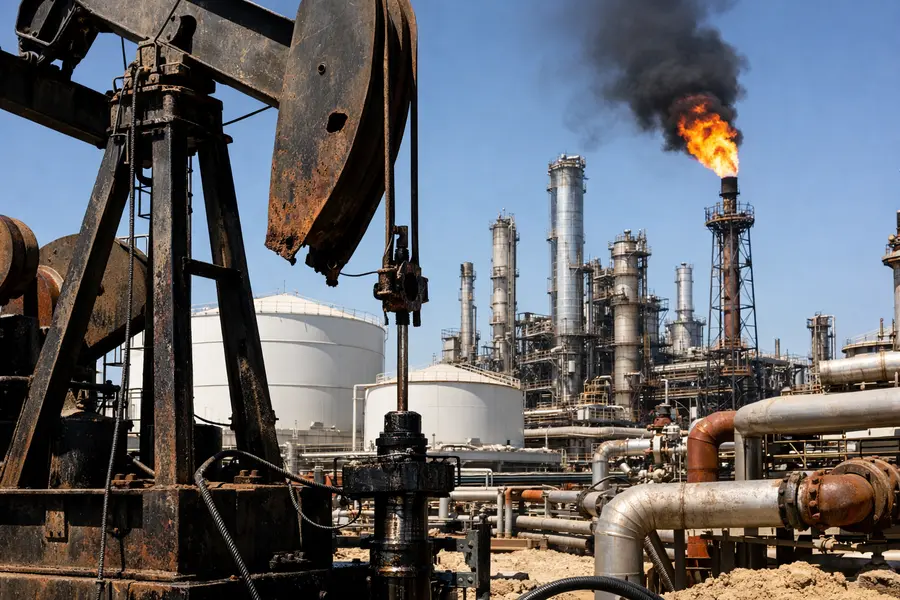
Iran-Gulf diplomatic negotiations were formally postponed with no new date, eliminating oil markets' last near-term de-escalation scenario heading into a structurally deficit Q4 2026.
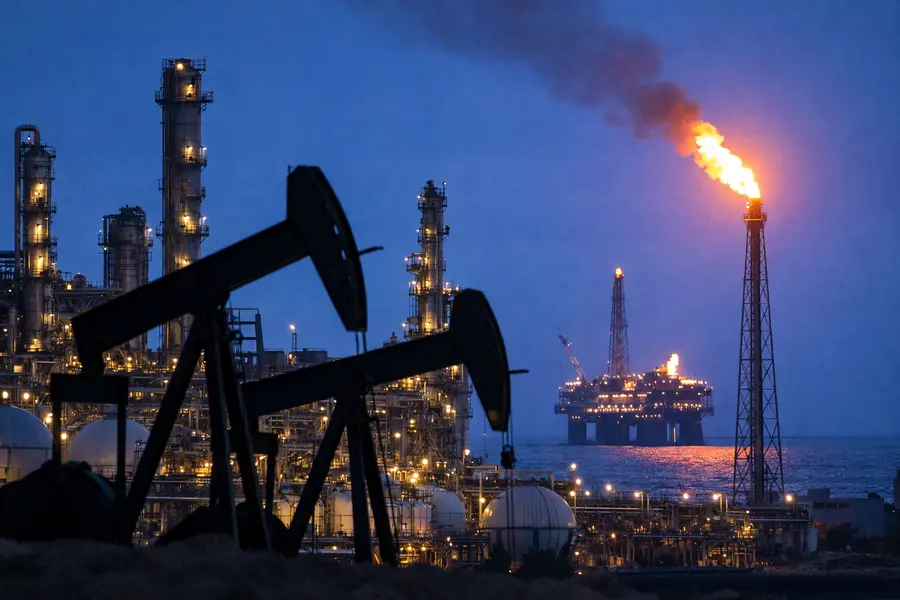
Goldman Sachs warns Brent crude could top $120 per barrel in 2027 if Hormuz and Red Sea disruptions keep Gulf supply 4 million bpd below pre-war levels, threatening a stagflationary second shock.
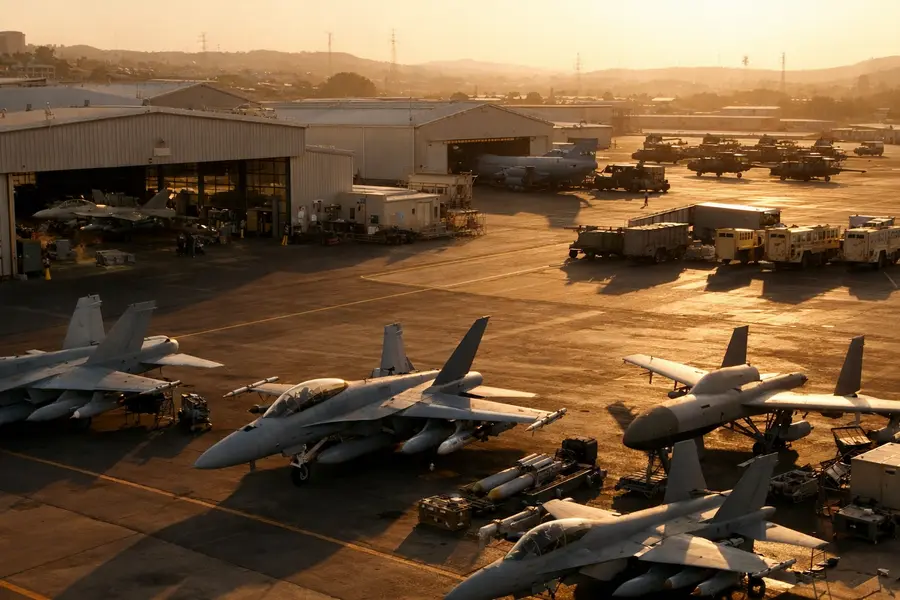
RTX, NOC, and LMT surged as Iran campaign combat deployments spotlight hardware demand with US defense spending on track to exceed $1.5 trillion by 2027.
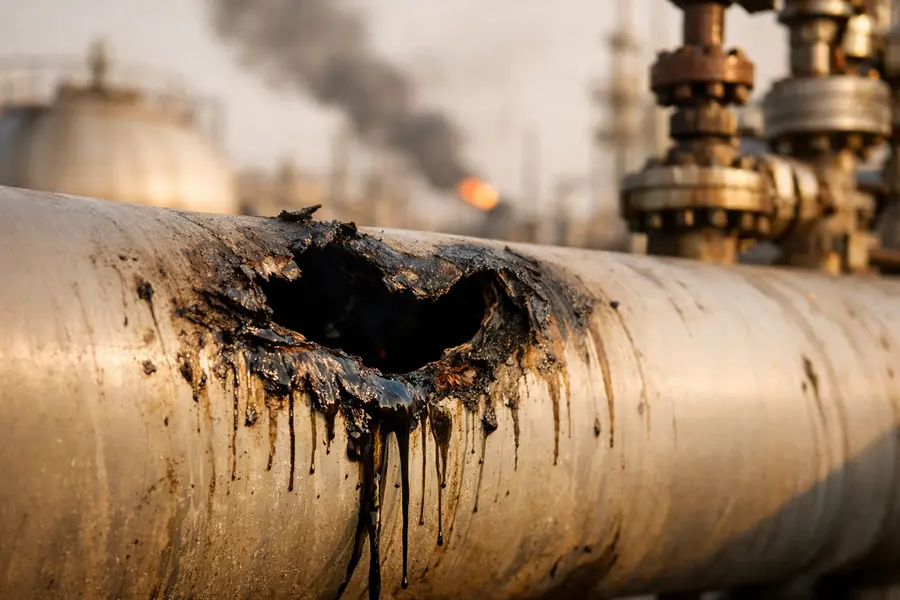
Iraqi drone strikes shut Saudi Arabia's East-West crude pipeline, removing 5 million bpd of Hormuz bypass routing and pushing crude oil prices sharply higher across global markets.
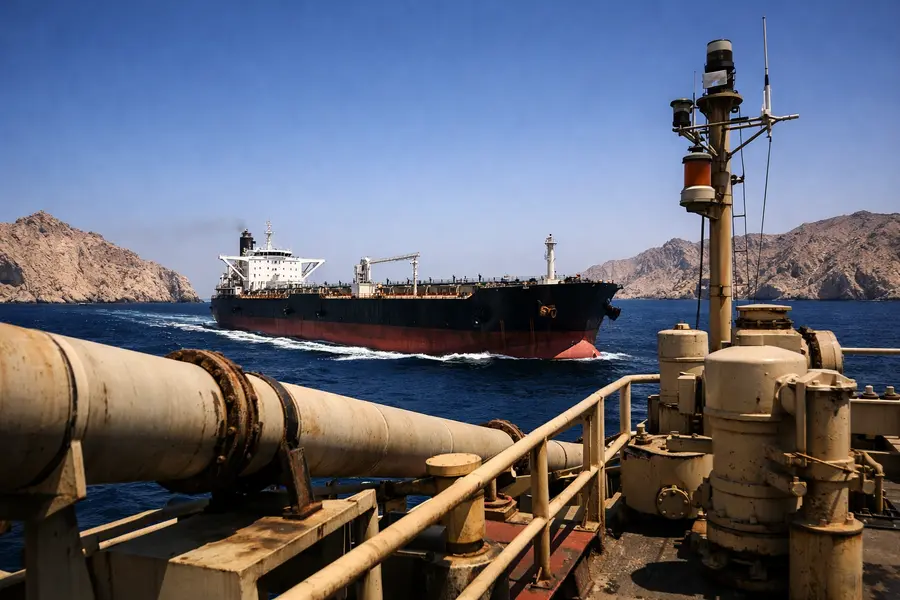
Persian Gulf tensions push crude oil price toward $80 a barrel, with a Strait of Hormuz disruption poised to reignite global inflation as the Federal Reserve holds interest rates near two-decade…

U.S. and Iranian forces are exchanging direct missile strikes in the Persian Gulf, threatening Strait of Hormuz transit and pushing Brent crude near $108 as a second oil-shock front opens in the…
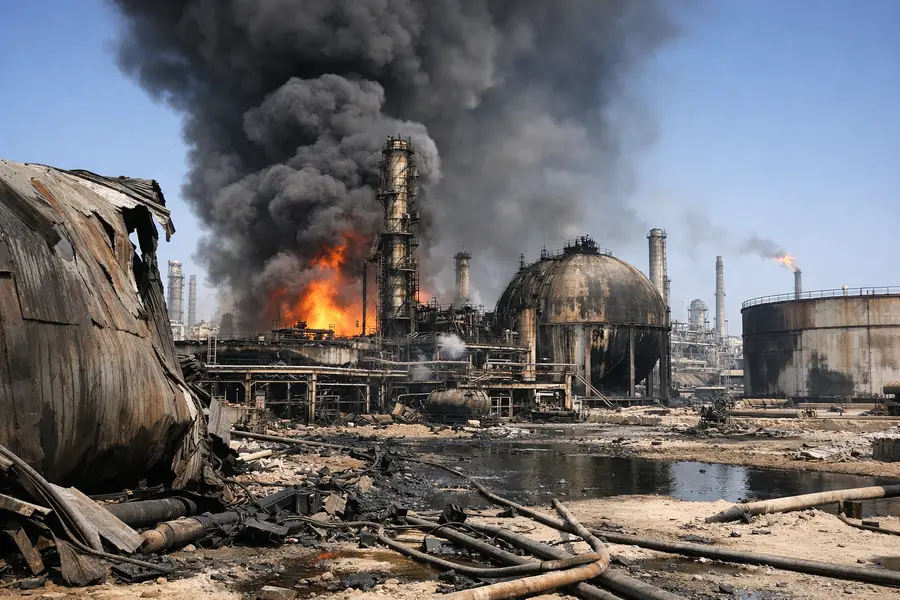
Iran-backed Houthi forces launched simultaneous ballistic missiles and drones at four Saudi cities Wednesday, wounding 73 and reigniting fires at the Jizan refinery for a second time in a month as…
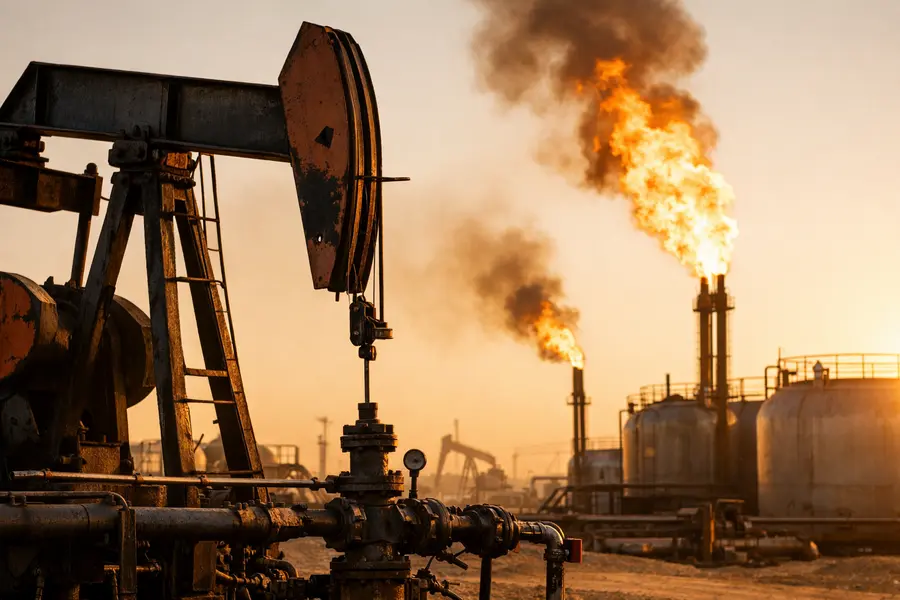
Brent crude surpassed $100 a barrel for the first time since July after U.S. forces struck five Iranian tankers overnight following an Iranian ballistic missile attack on a U.S. Navy warship,…
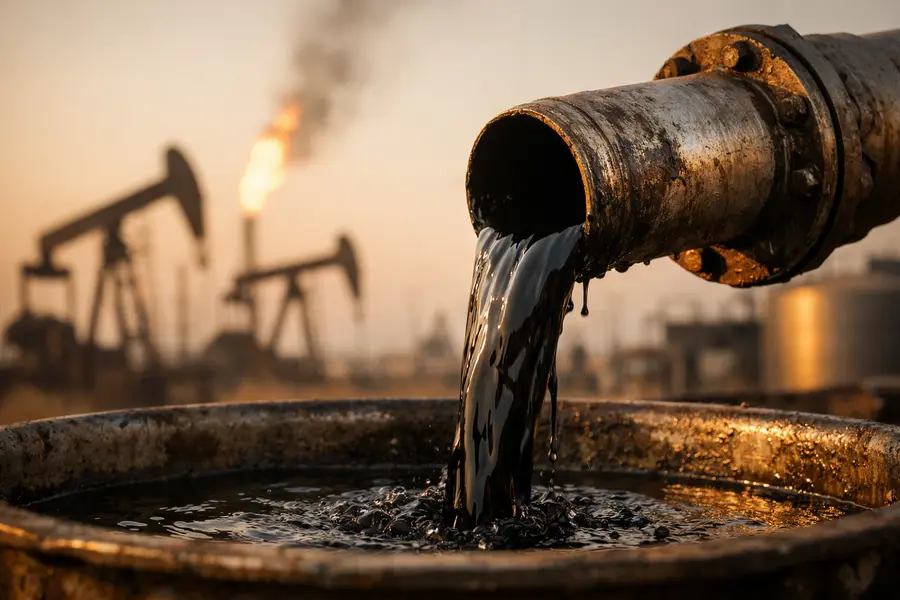
Energy Secretary Chris Wright declared the U.S. may destroy Iran's nuclear capabilities rather than negotiate, erasing oil markets' diplomatic discount as crude prices approach triple digits.
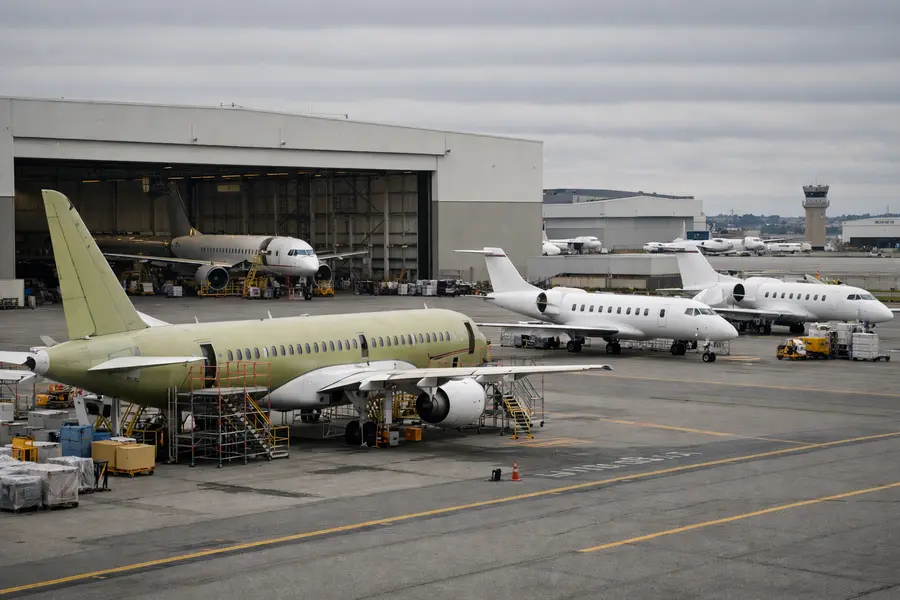
Trump's threat to bar Canada's Bombardier from US aviation markets widens the US-Canada trade confrontation beyond goods tariffs into aircraft certification, drawing rare Republican dissent from…
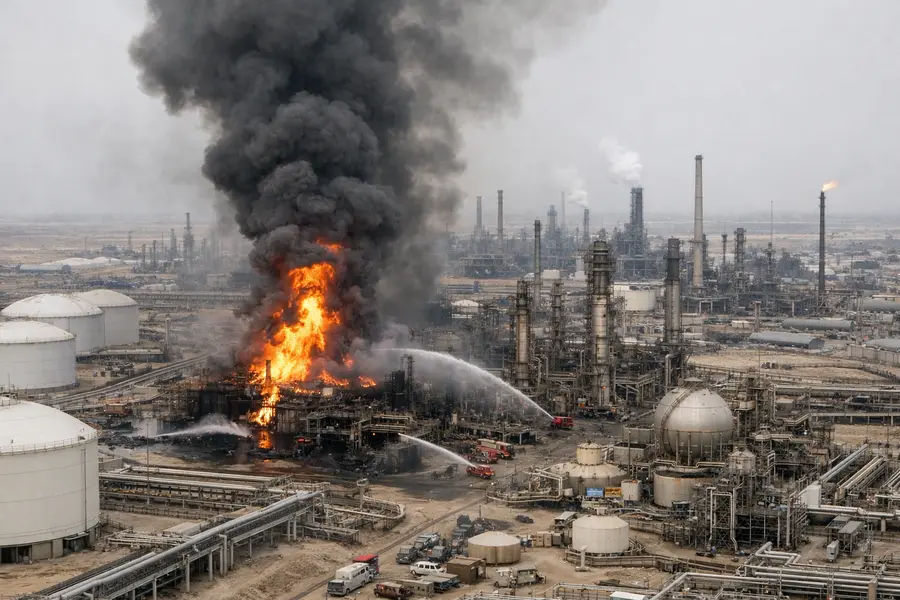
Houthi drone-missile strikes hit Saudi Aramco installations across four southern Saudi cities, wounded 73 workers, and pushed Brent crude $8.61 higher, fueling a second consecutive oil-driven Wall…
Geopolitics reaches portfolios through three channels, usually in this order: commodities first (oil, gas, gold, and grains reprice within minutes of a supply threat), currencies second (money runs to safe havens like the dollar, yen, and franc), and equities last, as investors work out which companies' costs, supply chains, or markets are actually exposed. The desk covers tariffs, sanctions, elections, and conflicts strictly through that market lens.
The hard part of geopolitical investing is separating headline noise from repricing that lasts. Coverage flags which is which, and links to the wiki entries on trade wars, safe-haven assets, and commodity markets so the mechanism behind each story is never assumed.
They typically move commodities and currencies first - oil, gold, and safe-haven assets - then flow through to equities via costs, supply chains, and risk sentiment.