Pomegra
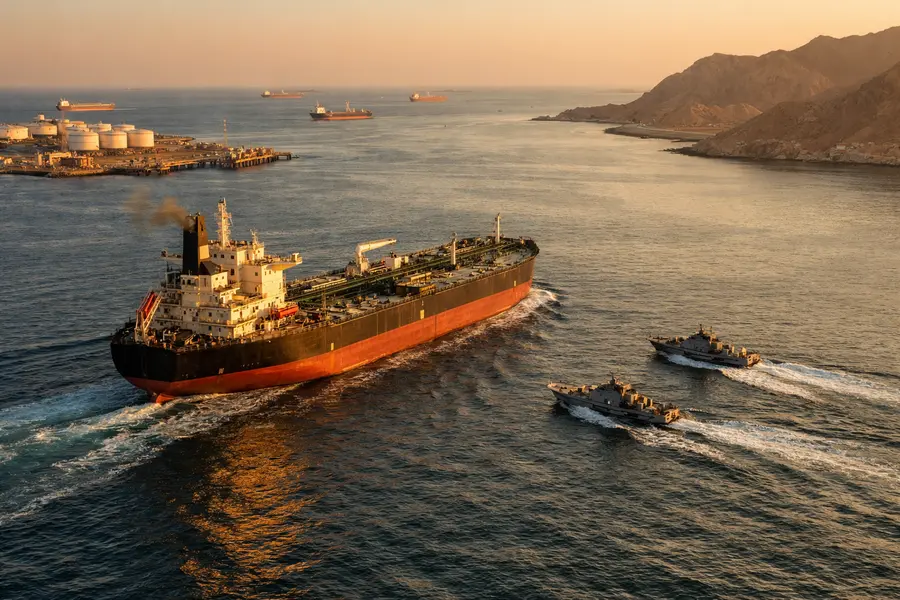
The crude oil price surged as Brent settled at $117.64, a six-month high, after Iran's Revolutionary Guard said four tankers hit mines in the Strait of Hormuz.
- Brent's December contract settled at $117.64 on Friday, the highest settlement since late April, after touching $118.
- Iran's Revolutionary Guard said four tankers hit mines and caught fire, one carrying more than 2 million barrels of oil.
- Washington maintains the main shipping lanes are clear, and October Hormuz exports were only about 2% below September.
Lead
Brent crude futures closed at their highest level in six months on Friday, October 30, after Iran's Revolutionary Guard said four oil tankers struck mines and caught fire in the Strait of Hormuz. The December Brent contract settled at $117.64 a barrel after touching $118, the strongest settlement since the end of April. The January contract, now the front month, settled at $113.43.
The Guard said one of the vessels carried more than 2 million barrels of crude and that the tankers had switched off their navigation and positioning systems. The claim has not been independently confirmed. It contradicts US assurances that the main shipping lanes have been cleared of mines.
What Happened in the Strait of Hormuz?
A tanker was hit by a limpet mine near Khasab on Friday, and the UK Maritime Trade Operations center logged the incident before the oil settlement. Attackers approached in a small craft and attached two explosive devices to the hull. Limpet mines are magnetic charges placed by hand on a ship's hull, a different method from the drifting or moored sea mines associated with earlier phases of the conflict.
The attack is the first reported successful use of the weapon in the waterway since the US-Iran war began in February 2026. It is also the first such use in regional waters since June 2019. Oman separately evacuated 25 crew members from a Panama-flagged tanker attacked about 1.6 nautical miles off its Musandam Governorate. The UK Maritime Trade Operations center also reported another vessel struck by an unknown projectile south of Lavan Island.
October was the most violent month for commercial shipping since the war began, with at least 30 vessels struck through October 27.
Why Did Brent Jump to $117.64?
Brent rose because the reported strikes removed cargo from the market and raised the risk premium on every barrel that must pass through the strait. The incidents, including the vessel said to be carrying more than 2 million barrels, were burning or disabled near the Omani coast. The scale of the contract moves points to supply fears, not a measured loss of flows.
The gap between the two contracts is notable. The December contract settled $4.21 above the January contract, a sign that traders paid a premium for prompt delivery. Prices had already climbed through October. Brent topped $110 in the week of October 20, then a five-month high, as mine incidents repriced Gulf risk.
Physical flows have so far held up better than the price implies. Exports through Hormuz reached nearly 11.1 million barrels per day in October, only about 2% below September, even as attacks on shipping hit a record. The market is pricing the probability of a wider disruption more than any shortfall that has already occurred.
Geopolitical Dimension
The incidents came during a diplomatic push. Qatar's foreign minister led a delegation back to Tehran for talks on a possible settlement of the war. US Vice President JD Vance sent a letter to the secretary of Iran's National Security Council, which President Donald Trump described as concerning humanitarian aid rather than peace negotiations.
The conflicting accounts of the mine strikes matter for insurers and ship operators. If Washington's position on cleared lanes is correct, the Guard's claim may be intended to deter traffic and shape the negotiating climate. If the limpet attacks reflect a tactical shift toward covert hull-placed devices, route clearance and naval escorts offer less protection. Hull attacks are harder to prevent than drifting mines and can be carried out by small craft close to shore.
The timing adds a political layer. US midterm elections take place on Tuesday, November 3, and fuel costs are a sensitive issue for the administration.
What Comes Next for Oil Prices?
Oil prices over the next three to twelve months depend on whether the attacks reduce actual Hormuz throughput or stay a premium-driven risk. Several markers will decide that.
- Verified transits. Continued export volumes near 11 million barrels per day would support the view that flows are resilient.
- War-risk insurance. Higher premiums or refusals of cover for Gulf voyages would raise delivered costs even when ships keep moving.
- Diplomacy. Progress in the Qatar-facilitated talks would pull the risk premium out of prices, while a collapse would add to it.
- OPEC+ policy. The producer group is set to hold output policy steady, leaving no new supply to offset a disruption.
Brent opens the new week at a level last seen in April, with the January contract below the expiring December contract.
Outlook
Brent's settlement at $117.64 reflects fear of a supply shock more than a measured loss of barrels, since October exports through Hormuz fell only about 2% from September. The unverified claim of four mined tankers, together with the first reported limpet attack in the strait during this war, has raised the cost of the risk. The direction of the crude oil price now depends on shipping data, insurance costs and whether the Qatar-led talks produce a settlement.
Mentioned tickers: None