Pomegra
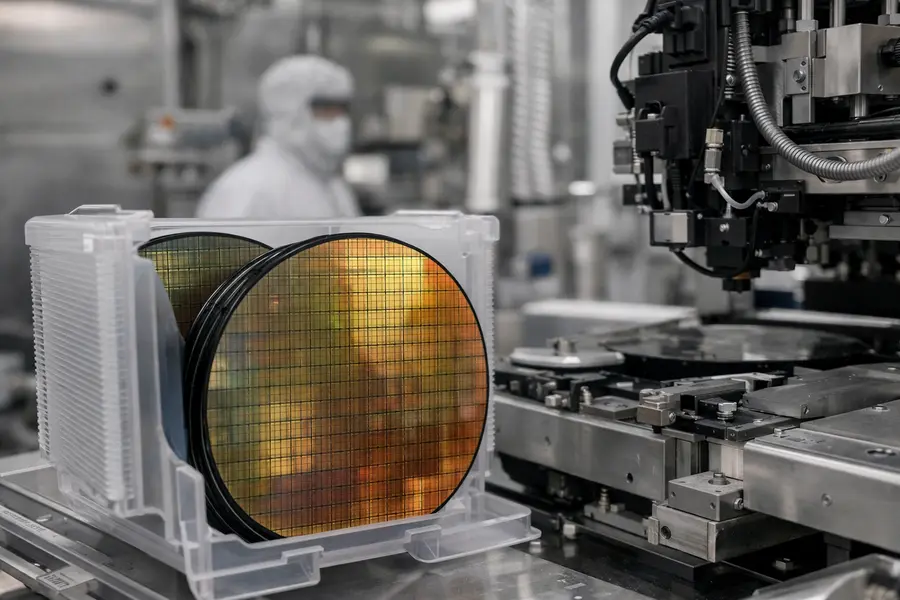
Intel (INTC) sank 28.6% on weak Q4 guidance, its worst day since 1974, dragging the Nasdaq down 2.9% and the SMH semiconductor ETF down 9.1% on Friday.
- Intel closed at $65.76, down 28.6%, after guiding fourth-quarter revenue to $15-16 billion against a roughly $17 billion consensus.
- The Nasdaq Composite fell 2.9% and the S&P 500 fell 1.8%, both the worst sessions since June.
- The VanEck Semiconductor ETF (SMH) dropped 9.1%, and the 3x leveraged SOXL fell about 25%.
Lead
Intel Corp. (INTC) lost more than a quarter of its value on Friday, October 30, after forecasting fourth-quarter revenue and margins well below Wall Street expectations. The chipmaker's one-day decline of 28.6%, from $92.07 to $65.76, was its steepest since 1974 and erased about $140 billion in market value. The rout pulled the Nasdaq Composite down 2.9% and hit AI stocks broadly, ending a week in which investor doubts about the payoff from artificial intelligence spending had already been building.
What Did Intel Report and Guide?
Intel reported third-quarter results that beat its own targets, then guided the next quarter sharply lower. Third-quarter revenue was $16.5 billion, up 21% from a year earlier. Non-GAAP earnings per share were $0.52, ahead of the company's $0.38 guidance, and non-GAAP gross margin was 44.1%.
The fourth-quarter outlook reversed that tone. Intel guided revenue to $15 billion to $16 billion, with a midpoint of $15.5 billion, and non-GAAP earnings of $0.25 per share. Non-GAAP gross margin is projected near 38%, about 600 basis points below the third quarter. A basis point is one hundredth of a percentage point. Roughly 200 of those basis points reflect a shutdown at an Israel fabrication plant, with the rest tied mainly to product mix and weaker PC demand.
Shares fell more than 22% in after-hours trading Thursday and extended the drop in Friday's regular session.
Why Is the PC Market Hurting Intel?
Rising memory chip costs are pushing up PC prices and cutting into corporate and consumer budgets. Intel's client computing unit posted $8.1 billion in third-quarter revenue, down 5%. Management expects the overall PC market to shrink 12% in 2026 and a further 10% in 2027. AI-enabled PCs were a bright spot, with revenue up 35% year over year, but not enough to offset the broader decline.
The weakness contrasts with Intel's data center business. The data center and AI segment grew 78% to $7.3 billion in the quarter, driven by server processor demand tied to AI infrastructure that management described as the highest it has seen. That growth did not change the market's verdict, because client computing remains the larger part of the earnings base. Even after Friday, Intel shares are still up more than 70% for the year, which left the stock exposed to a sharp repricing on any guidance miss.
Why Did the Wider Market Sell Off?
The broader market fell because Intel's miss landed on investors already questioning whether heavy AI investment will generate adequate returns. The Nasdaq Composite closed down about 2.9%, its worst day since June, and the S&P 500 fell 1.8%. Results from Amazon (AMZN) earlier in the week had deepened the unease. The Nasdaq finished October with its worst month in more than a year.
The damage was heaviest in semiconductors. The Philadelphia Semiconductor Index fell 7.4%, and the semiconductor ETF SMH fell 9.1%, a move that reflects how concentrated the sector's largest holdings are and how quickly sentiment can turn when a bellwether stumbles. Intel's decline also weighed on suppliers and peers exposed to PC and memory-related demand.
How Did Leveraged Chip Funds Fare?
Leveraged products amplified the damage. SOXL stock, the Direxion Daily Semiconductor Bull 3X ETF, fell about 25% on the day. These funds reset daily and aim to deliver three times the one-day return of a semiconductor index, so a 7.4% drop in the underlying benchmark translates into a loss of roughly 22% to 25% in a single session. Such products tend to see heavy trading volume during sharp reversals, which can feed further volatility in the sector.
What Does It Mean for AI Stocks Going Forward?
The session separates two questions that had been bundled together in the AI trade: demand for AI infrastructure and the profitability of the companies supplying it. Intel's server numbers show demand is strong. Its margin outlook shows that component costs, plant disruptions and a weak consumer hardware cycle can still compress earnings. Memory shortages that lift PC costs are a cross-currents issue for the whole hardware supply chain, not only for Intel.
Near term, attention shifts to whether Friday's selling extends or stabilizes when trading resumes Monday, and to how other chip and hardware companies describe memory costs and PC demand in their own guidance. The Israel plant shutdown is a defined headwind for Intel, while the pace of the PC market contraction is the larger variable for the first half of 2027.
Outlook
Intel's 28.6% fall, the worst single-day loss in its history since 1974, turned a company-specific guidance disappointment into a market-wide event, with the Nasdaq down 2.9% and the SMH down 9.1%. Strength in AI server demand coexists with margin pressure from memory costs, a plant outage and a shrinking PC market. Whether the sell-off marks a one-day repricing or the start of a broader reset in semiconductor valuations depends on upcoming earnings from other hardware names and on the direction of memory prices.