 Pomegra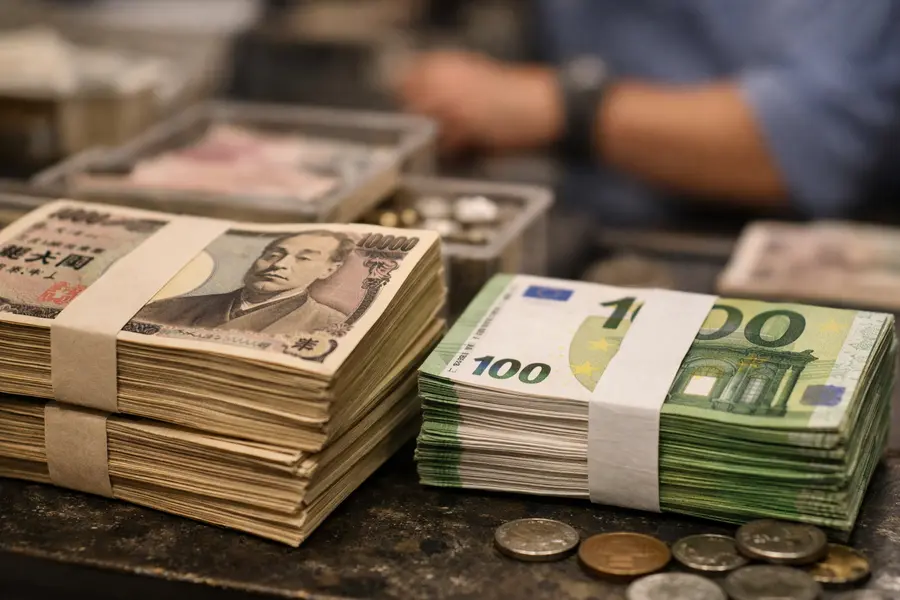
NOTABLE
Yen Haven Status Returns as Euro-Yen Nears 175 Floor
The yen is regaining safe-haven status as risk-off moves spread, with euro-yen eyeing 175 and dollar-yen 155 as France's fiscal and social strains weigh on the euro.
Markets7 min read
Daily Digest
Daily Digest
The yen is regaining safe-haven status as risk-off moves spread, with euro-yen eyeing 175 and dollar-yen 155 as France's fiscal and social strains weigh on the euro.
They Said Buy tracks stock calls from YouTube creators, pairing exact quotes and links to the precise video moment with what happened to the share price afterward. Revisit the original statement, see the outcome, and put memorable predictions in context.

UK gilts (GB10Y) sit near a 2007 high while headroom has shrunk to about £10bn–£12bn before Healey's Budget
 5:07
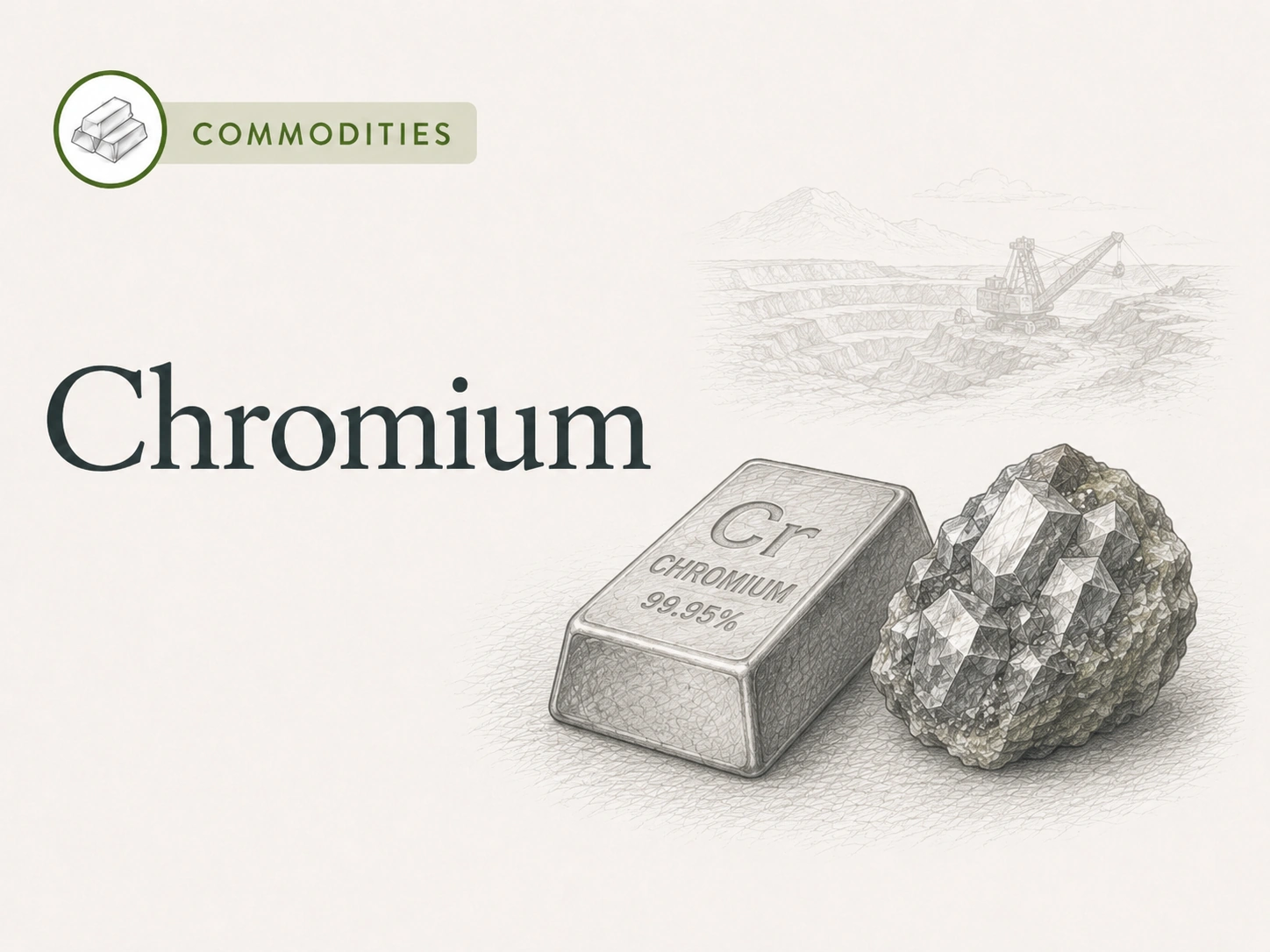
5:07Chromium is why stainless steel doesn't rust - and it accounts for roughly 75% of all chromium consumption. A short walkthrough of how chromium flows through markets as ferrochromium rather than a direct futures contract, why South Africa's 40% share of global reserves creates a structural supply risk, what drives the price cycle, and why there's no pure-play chromium investment.

Microsoft, Alphabet and Amazon report earnings on Oct. 28-29 as investors look for proof that AI stocks' record capex is producing cloud revenue and profit growth.

Brent crude (BZ=F) eased 0.96% as Saudi, Turkish and Pakistani officials agreed to keep talking with Iran.
Advertisement
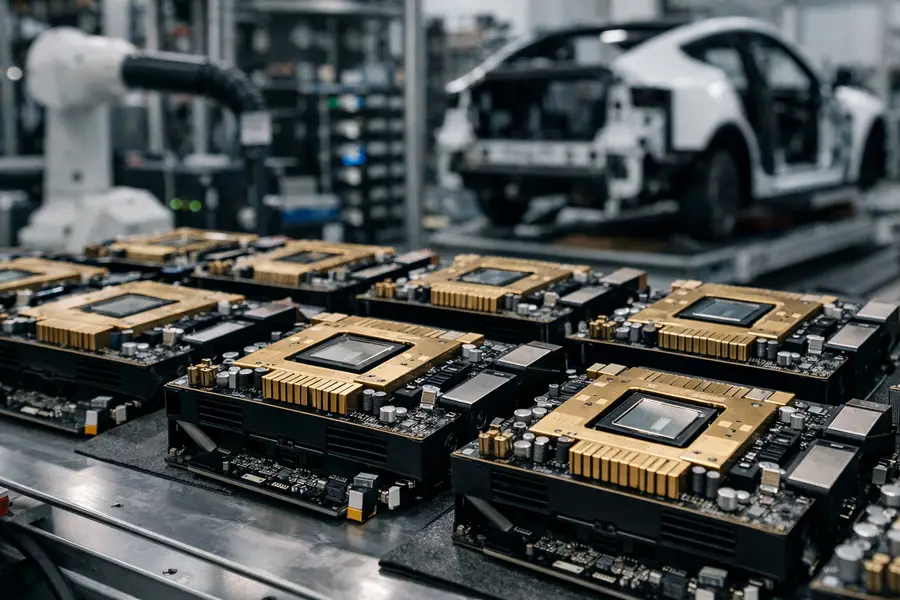
SpaceX (SPCX) closed a record $40 billion GPU financing for Nvidia chips while its board and Tesla's weigh a merger, reshaping the AI stocks landscape.
Surgery Partners (SGRY) closed at $23.25, just under the $23.50 cash offer from a Bon Secours affiliate.
Ross Stores (ROST) ended Monday higher as UBS set a $315 price target on stronger sales per store.
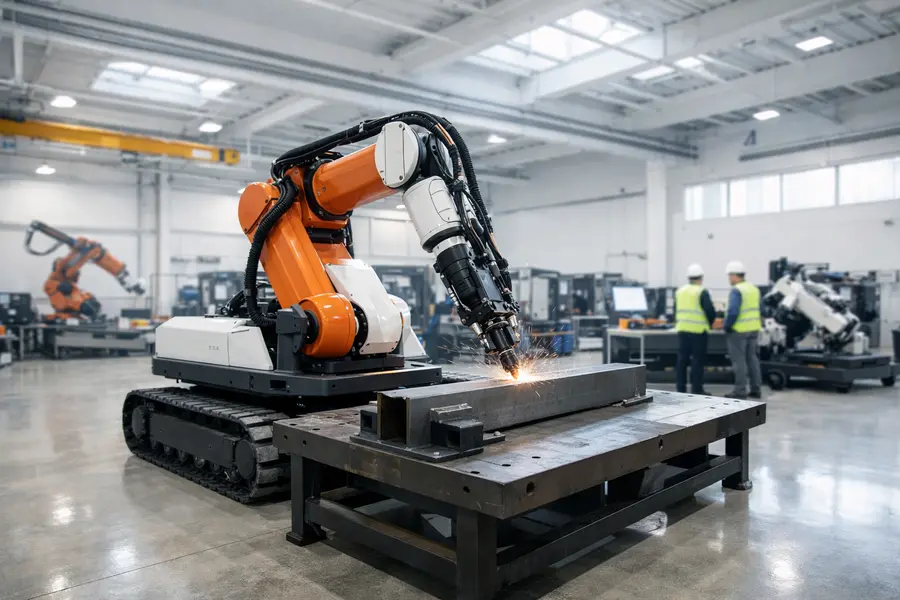
Bedrock Robotics, a US autonomous construction startup, raised a $600M Series C at a $4.1B valuation.

Iran's Revolutionary Guards declared the Strait of Hormuz closed on October 26 as Saudi, Turkish and Pakistani officials met in Tehran, holding Brent near $115 a barrel.
Reliance Industries (RELIANCE:NSE) unit Jio lists Oct. 28 after a ₹30,200 crore IPO bid for 22 times over.
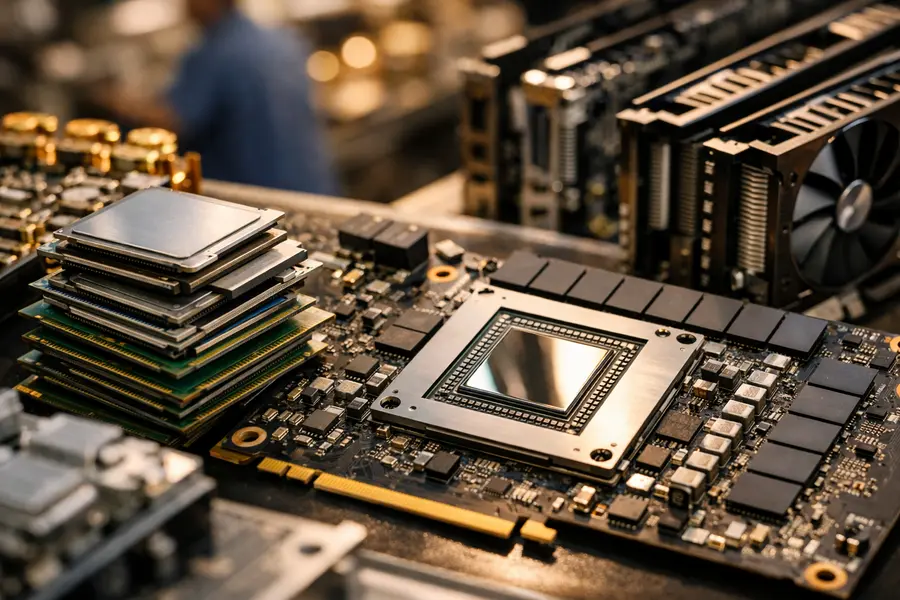
Meta (META) launched $35B of stock offerings and plans a $60B at-the-market program in 2027 to fund AI, with Nvidia, AMD and Broadcom eyeing up to $5B.
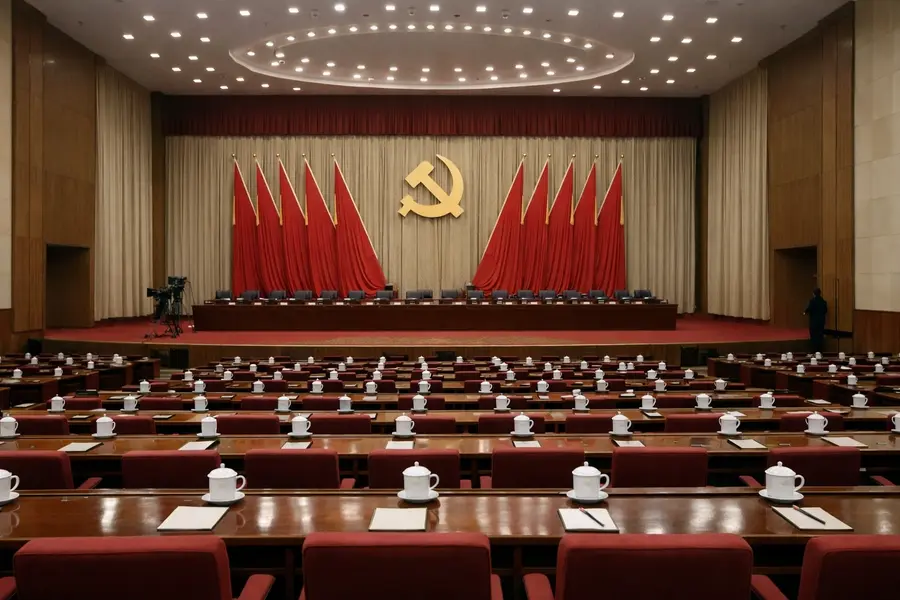
China's four-day Communist Party plenum opened with Xi Jinping pushing stricter discipline and an anti-corruption drive ahead of an expected fourth term.
 4:15
4:15Coal is the dirtiest fossil fuel on Earth - and the world still burns 8 billion tonnes of it every year. A short walkthrough of the two completely separate coal markets (thermal for electricity, coking for steel), why China accounts for half of global output and 55% of demand, how Australia became Asia's premium supplier, and what the long road to a 15–25% electricity share by 2050 actually looks like for investors.
The TSX (^GSPTSE) closed Friday at 35,788 as Canada signals no deal before the Nov. 3 US midterm elections.
Fair Isaac (FICO) kept its mortgage score price at $10 while the housing regulator pushed rival scores.
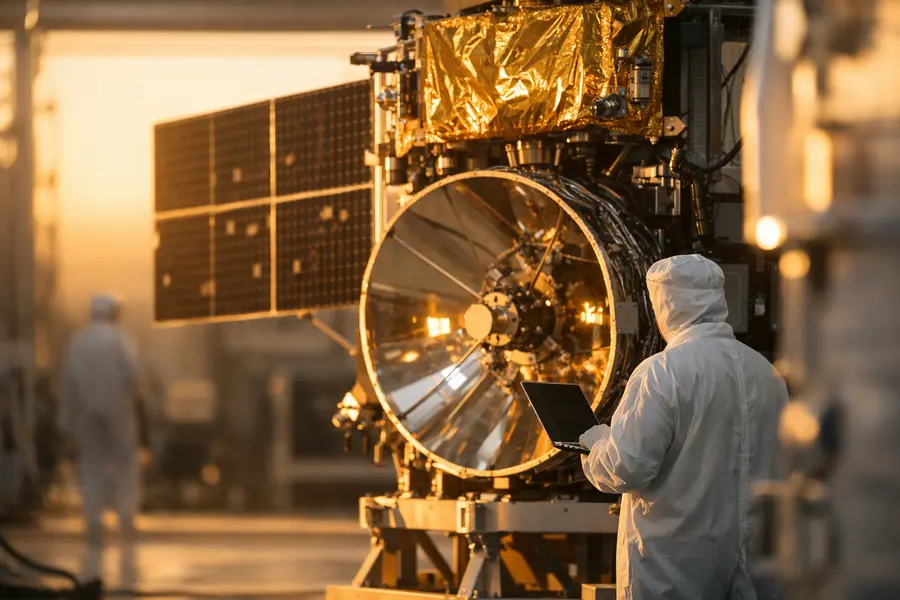
ASI, a US startup building AI software for complex physical operations, raised $325M led by Andreessen Horowitz.
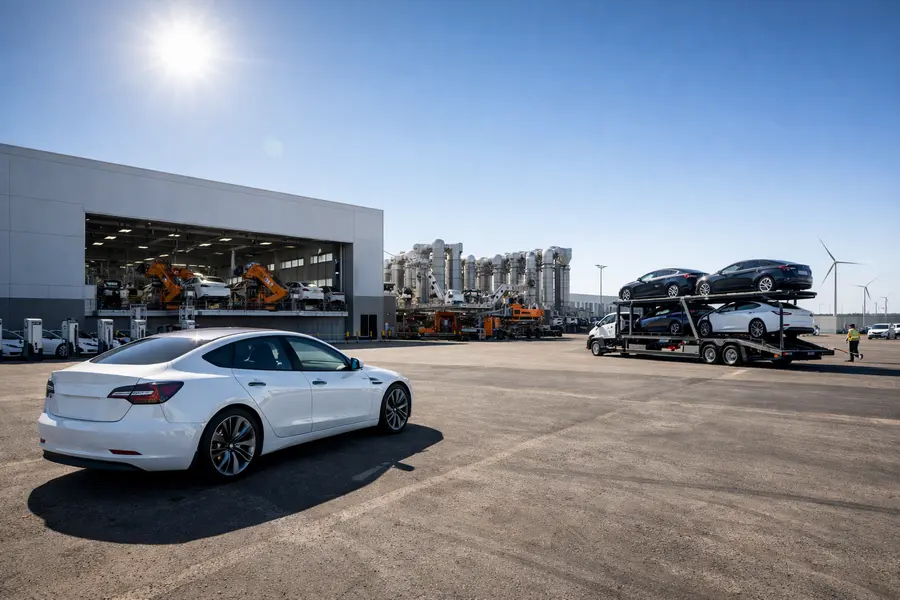
Tesla shares rose about 5% to near $392 on Monday after Barclays upgraded TSLA to Overweight with a $450 target and Latvia became the 10th EU state to approve FSD.

France's CAC 40 (^FCHI) rose 0.8% as Moody's held its Aa3 rating, though it warned conditions have worsened.
The ECB is expected to hold its policy rate at 2.50% on Oct. 29 as five central banks meet, while the Bank of Japan signals a possible December hike.

Itaú Unibanco is buying Brazilian AI startup NeoSpace for about $580M in cash.
 4:51
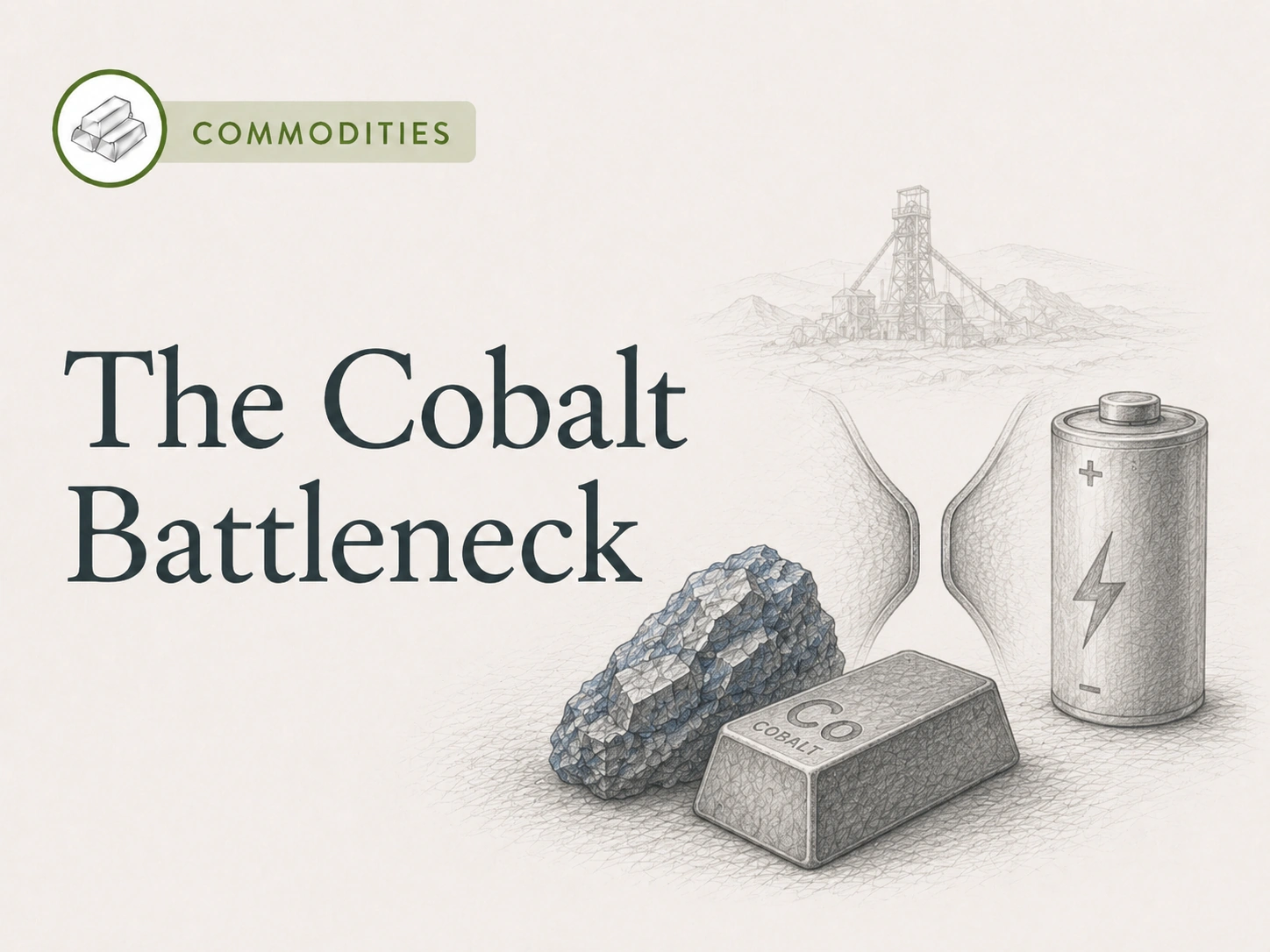
4:51The Democratic Republic of Congo produces roughly 70% of the world's cobalt - and no other critical commodity is so dependent on a single nation. A short walkthrough of why cobalt became essential to EV battery cathodes, how the market swung from $8 to $25 per pound and back to $6 in just two years, why LFP batteries are threatening to bypass it entirely, and what a 5% recycling rate means for long-term supply security.

Daytona, a Croatian-founded cloud platform for AI-generated code and agents, raised a $60M Series B at a $1B valuation.

Hadrian, a London-Amsterdam agentic AI offensive-security startup, raised about €35.7M to expand in EMEA and the US.
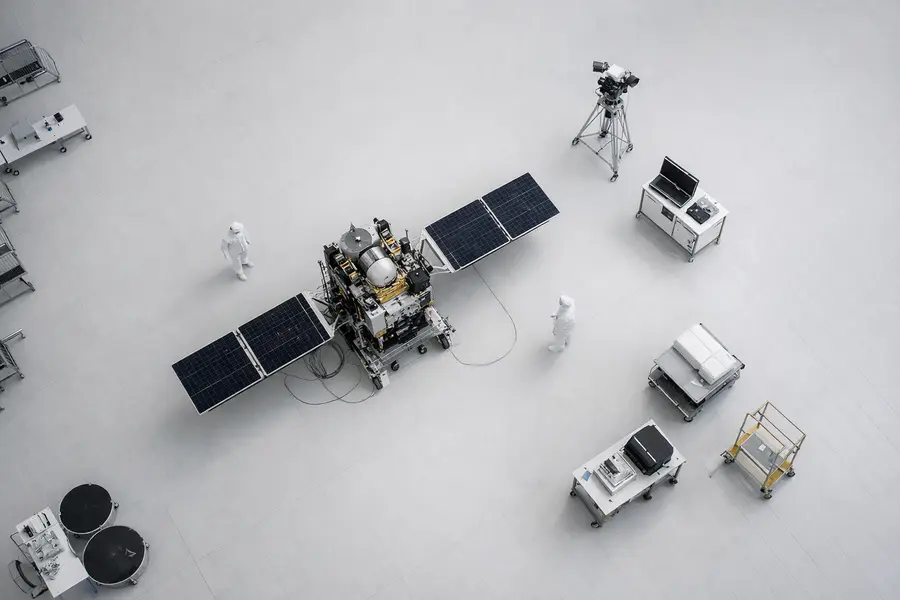
Foundational, a London space-tech startup, emerged from stealth with €9.6M pre-seed to track satellites and debris with millimetre-level precision.

Clio acquired Page, a Waterloo-based AI startup that tracks legislation and regulation, for its legal software platform.

JetBlue (JBLU) rebounded 11% after hours as it held to a 2027 profit goal despite a $257M quarterly loss
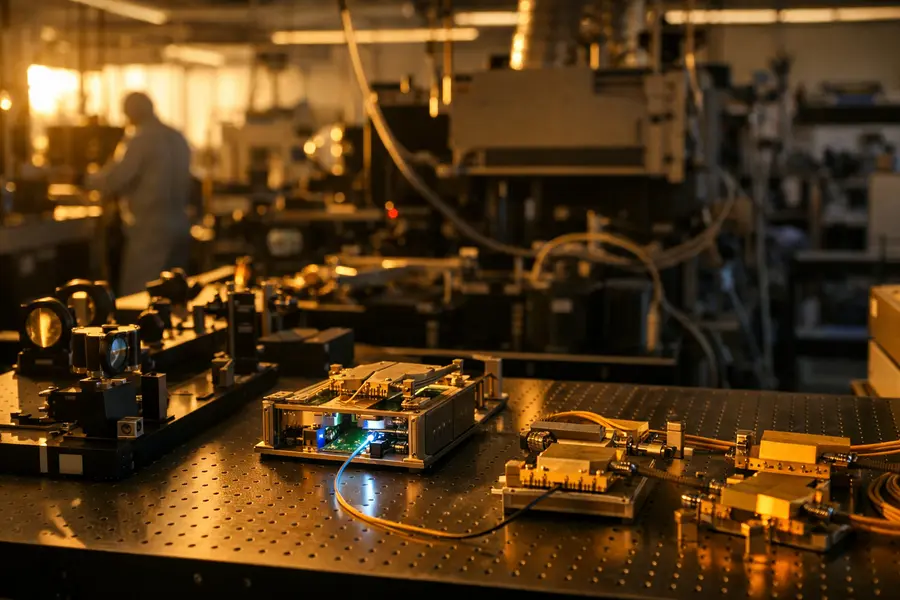
Lumentum rose about 10%, Applied Optoelectronics 9% and Coherent 7% as bullish coverage and AI demand revived optical stocks ahead of November earnings.
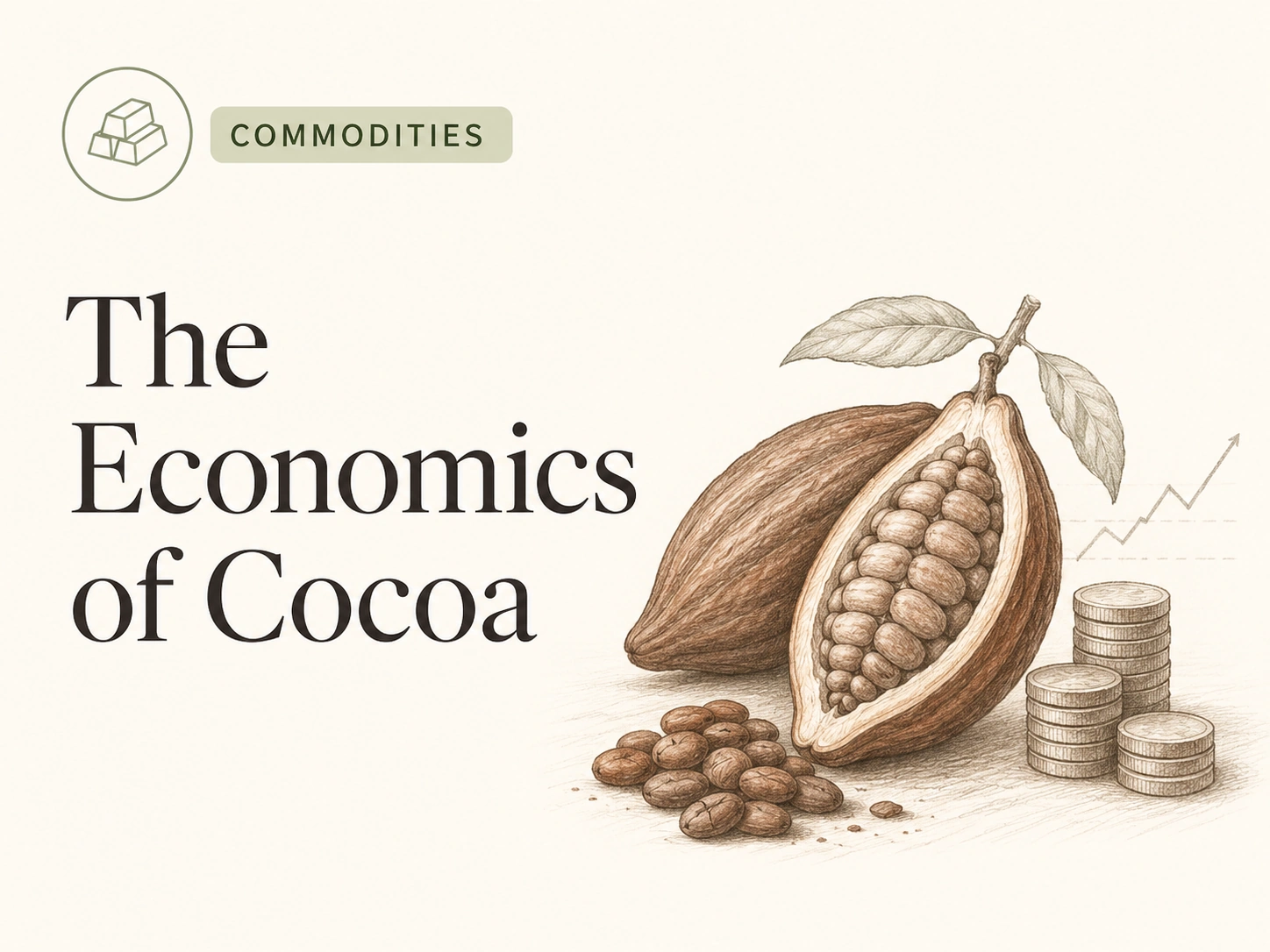 4:48
4:48Côte d'Ivoire and Ghana grow over 60% of the world's cocoa - and a single disease outbreak can wipe out 20–30% of a harvest. A short walkthrough of why cocoa demand is almost entirely tied to chocolate, how slow-maturing cacao trees make supply painfully inelastic, why farmers receive only 10–20% of the final chocolate price, and what climate change and farmer abandonment mean for long-term supply.

Matiks, an Indian social gaming startup, raised $10M in a pre-Series A round led by General Catalyst to expand globally.
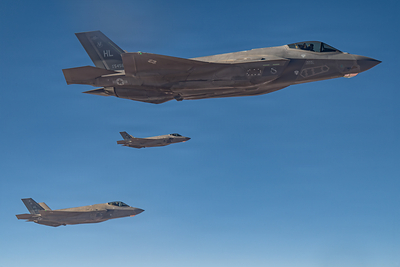
Lockheed Martin (LMT) gets a $835 price target as a 10-year deal for 850 F-35 jets cuts a key risk.
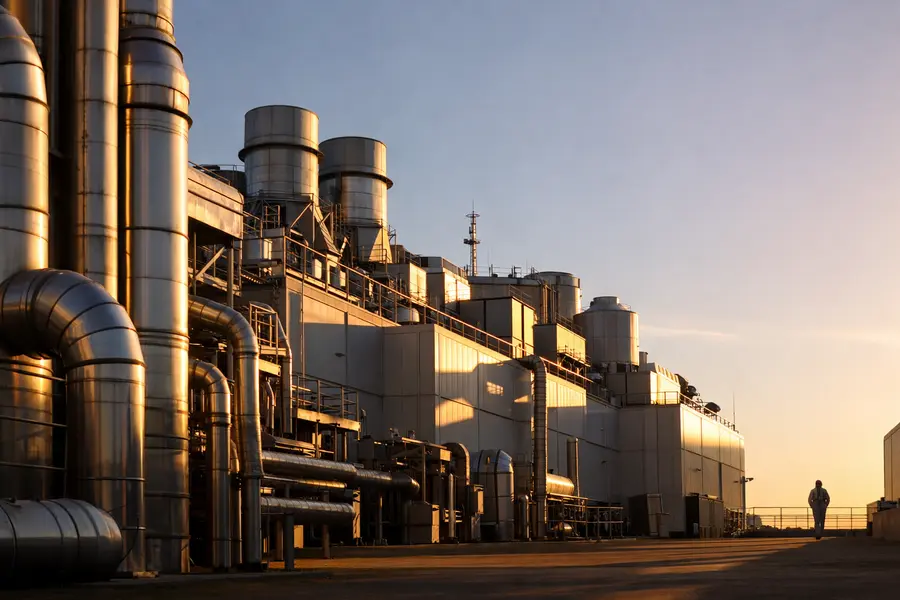
Intel shares rose 4% to $90.47 after New Street Research upgraded the stock to Buy, citing an AI-driven server CPU shortage ahead of Q3 results on October 29.

Fair Isaac shares fell 9.2% premarket on Monday after FICO held its mortgage score price at $10, as regulators put VantageScore on equal footing at Fannie Mae and Freddie Mac.
The Dow (^DJI) lost 653 points to 52,215 and the S&P 500 slipped 0.5% ahead of big-tech earnings and the Fed.
Record phone additions and a third guidance raise were overshadowed by a revenue miss, and shares traded roughly 3% to 4% lower on Monday.
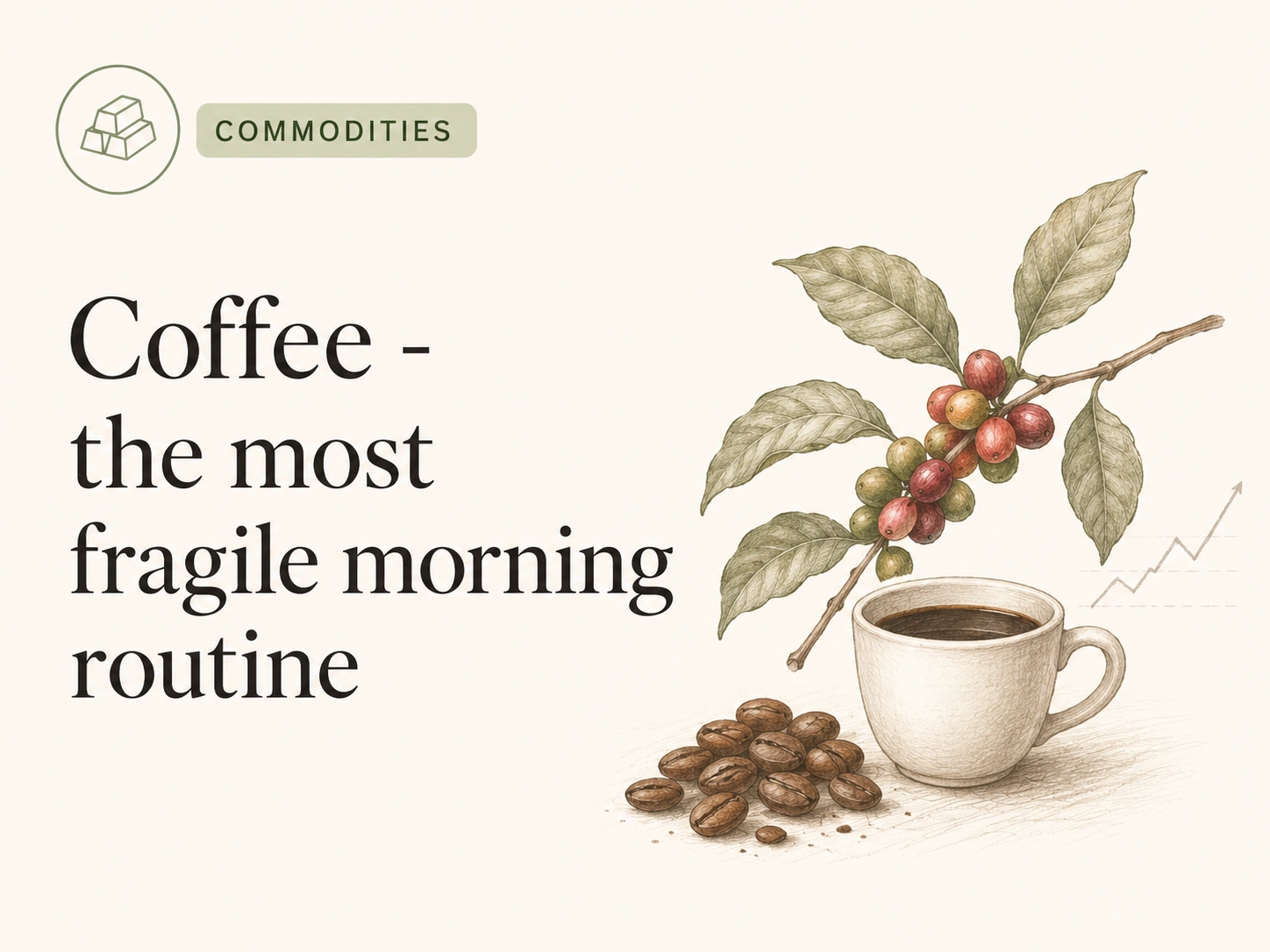 5:31
5:31Over 2 billion people drink coffee every day - and the entire supply chain rests on a handful of frost-prone growing regions and 20 million small farmers receiving 5–10% of the retail price. A short walkthrough of Arabica vs Robusta, why a single Brazilian frost can cut the following year's supply by 20–30%, how the 3–4 year tree maturity cycle creates boom-bust pricing, and what climate change means for Colombia, Kenya, and Ethiopia.
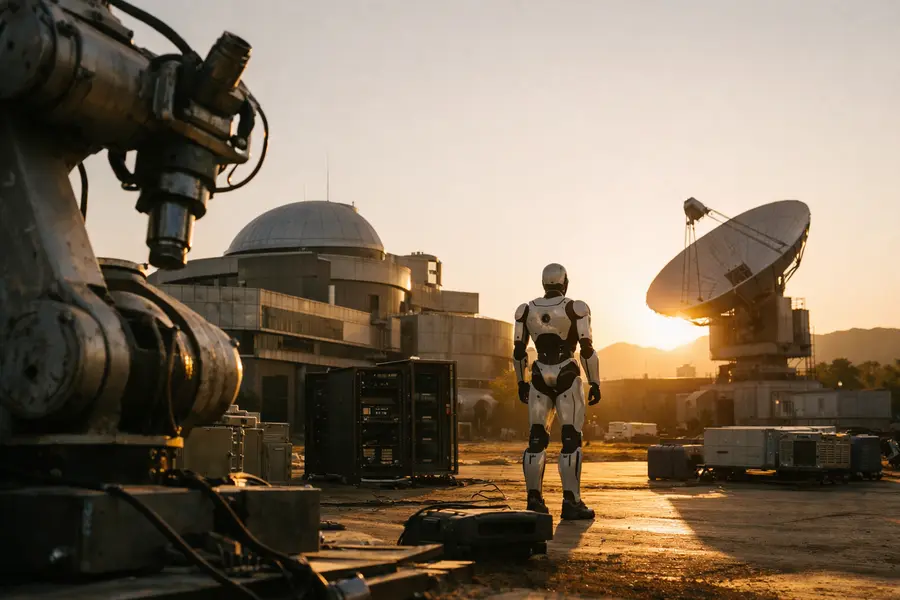
China's STAR50 index has dropped 40% in under four months, erasing about $480 billion as AI stocks reel from demand doubts and US curbs on Chinese equipment.

Mave, a Tel Aviv agentic SecOps startup founded by Unit 8200 alumni, raised $34M ($28M Series A led by Red Dot Capital Partners plus $6M seed).
American Express (AXP) will cut 5% of staff to prepare for AI, even as it raised its 2026 profit outlook.
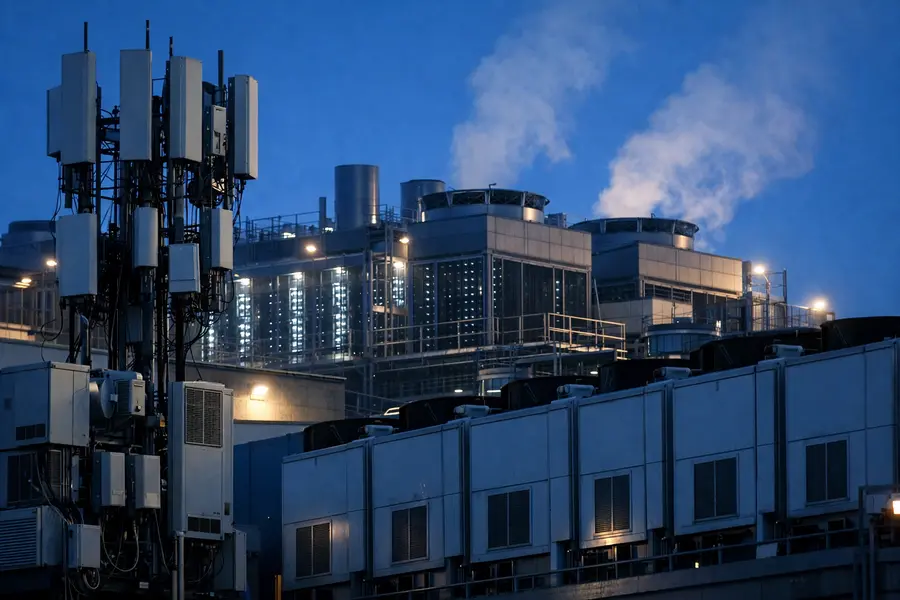
Verizon beat Q3 2026 profit estimates, raised guidance a third time and signed a $2 billion-plus AWS AI deal, but a revenue miss left shares mixed premarket.
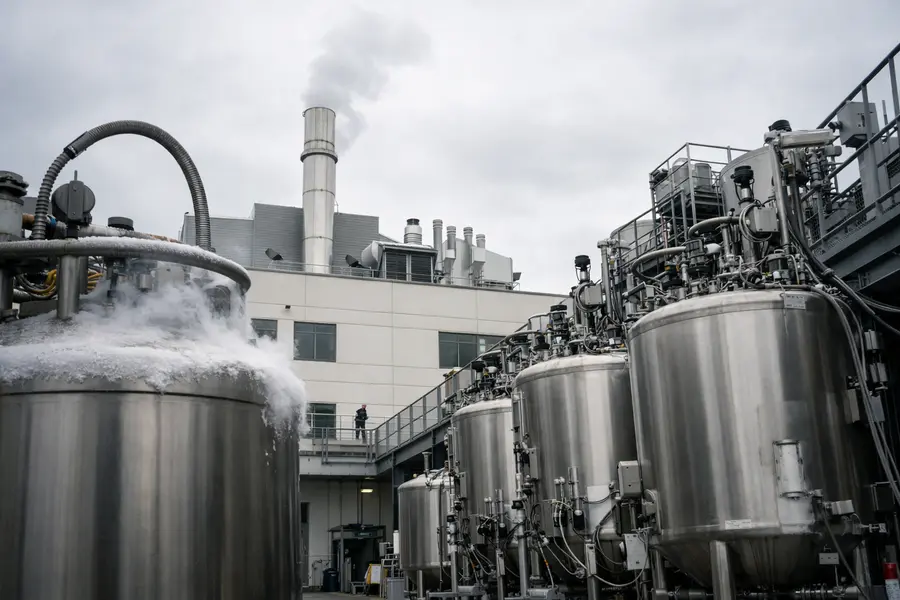
Moderna (MRNA) shares fell another 8% on Monday after leaked melanoma vaccine data showed a 42% cut in recurrence or death risk, extending a selloff in biotech cancer stocks.

Meta (META) will sell $35B of stock now and up to $60B later, with shares down 1.8% early, to pay for AI.
Apple briefly passed Nvidia as the world's most valuable company at about $5.1 trillion on iPhone Duo launch day before Nvidia reclaimed the lead by the close.
Advertisement
33 plain-English books across six tracks - from what money is to running a portfolio. Free, no sign-up.
Money, economy, financial literacy - start here.
How the market works, and how to understand any company.
Different ways to invest - and how to build your first portfolio.
Bonds, property, crypto, gold and oil, and currencies.
Trading, reading charts, and protecting your money.
Taxes, retirement, industries, green investing, and market history.