 Pomegra
All videos
Free Course
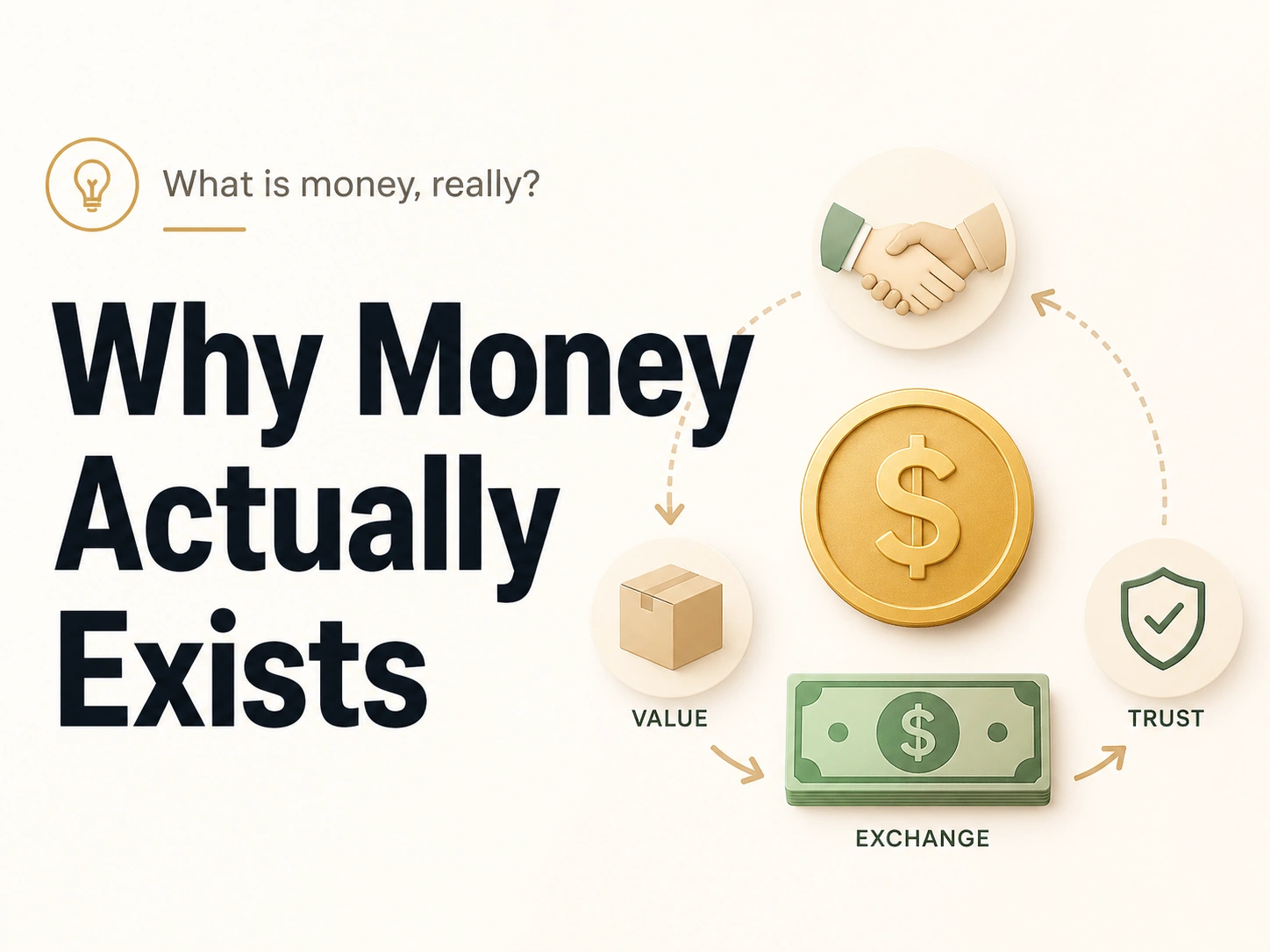
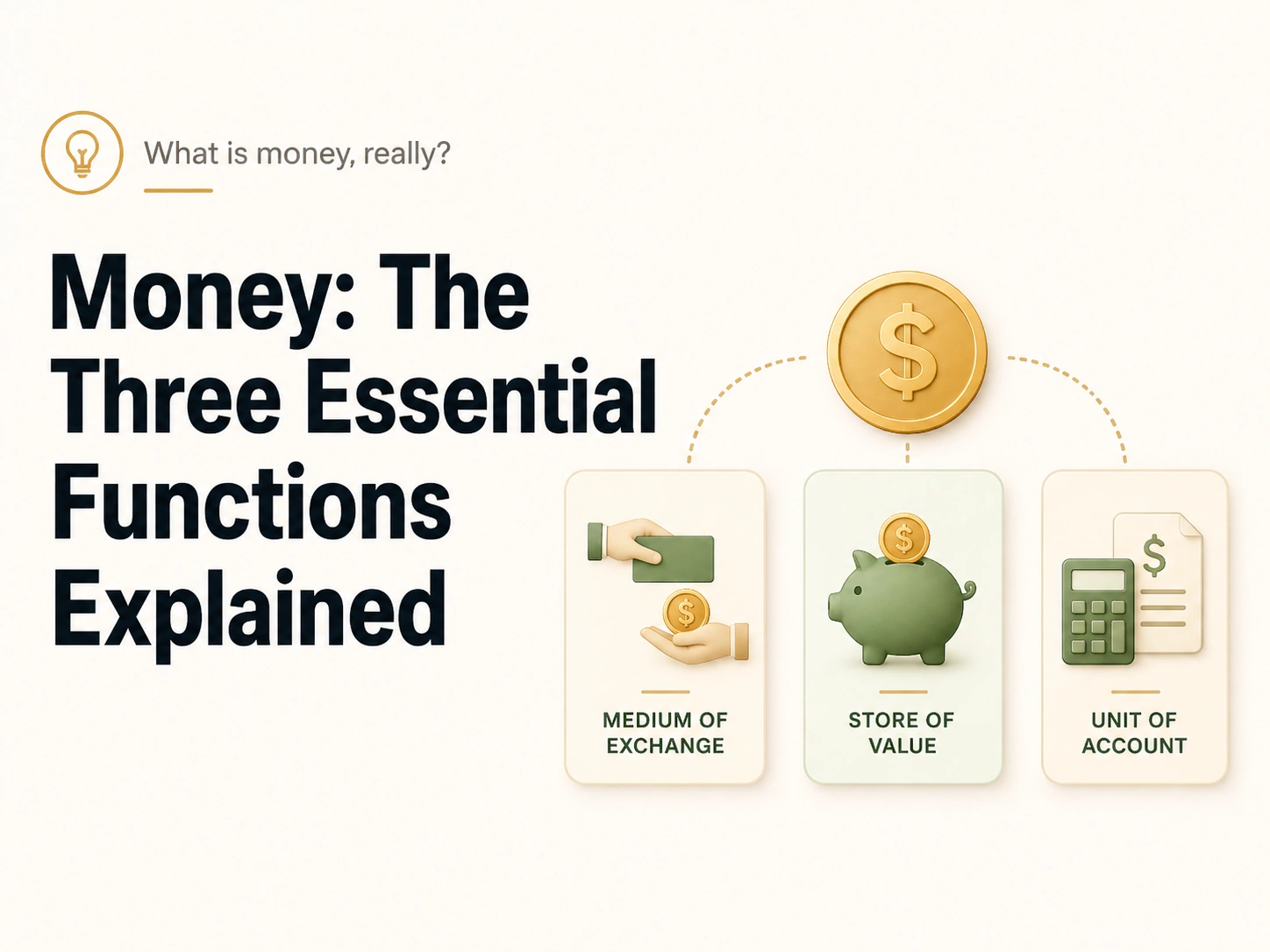
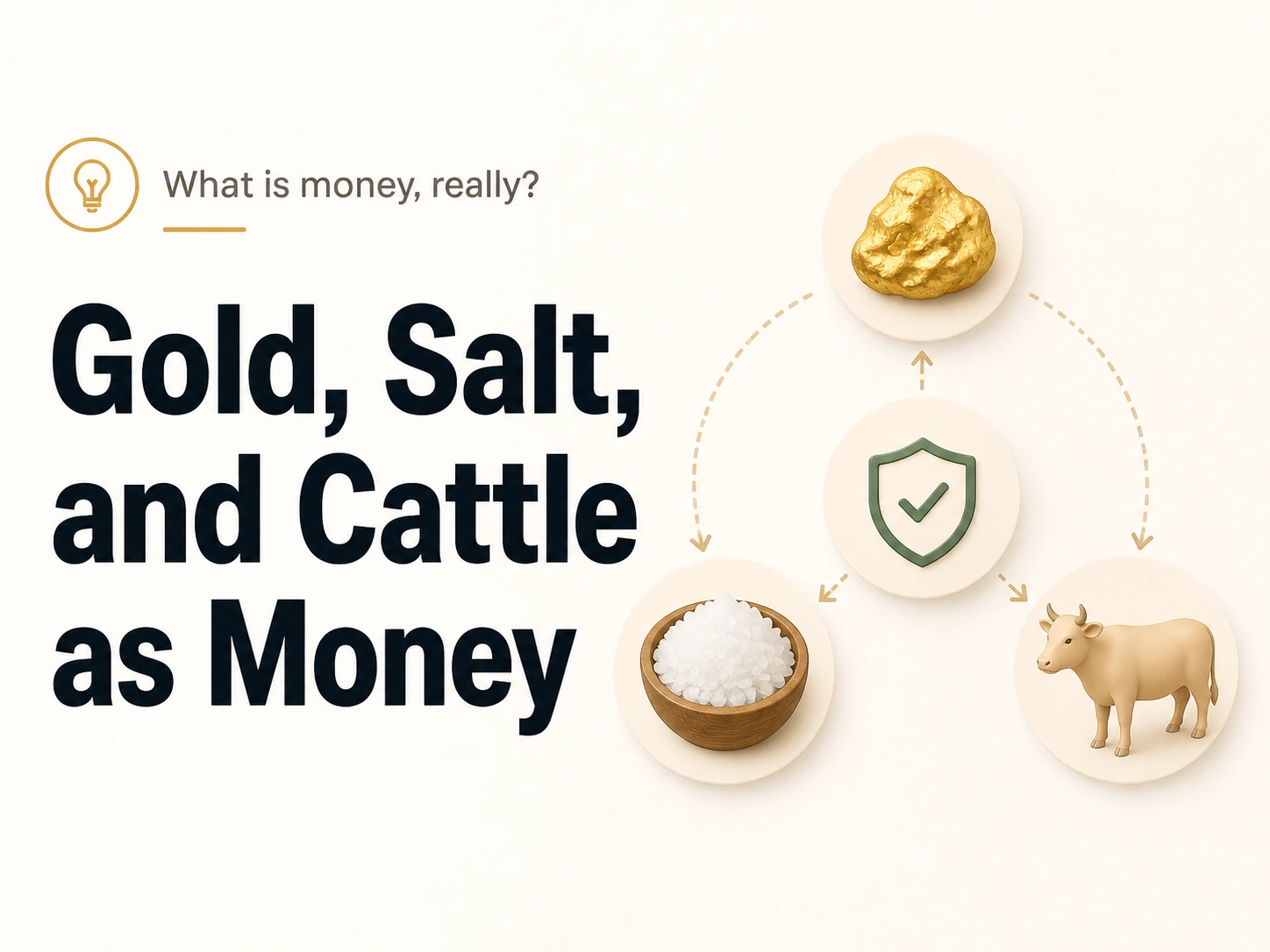
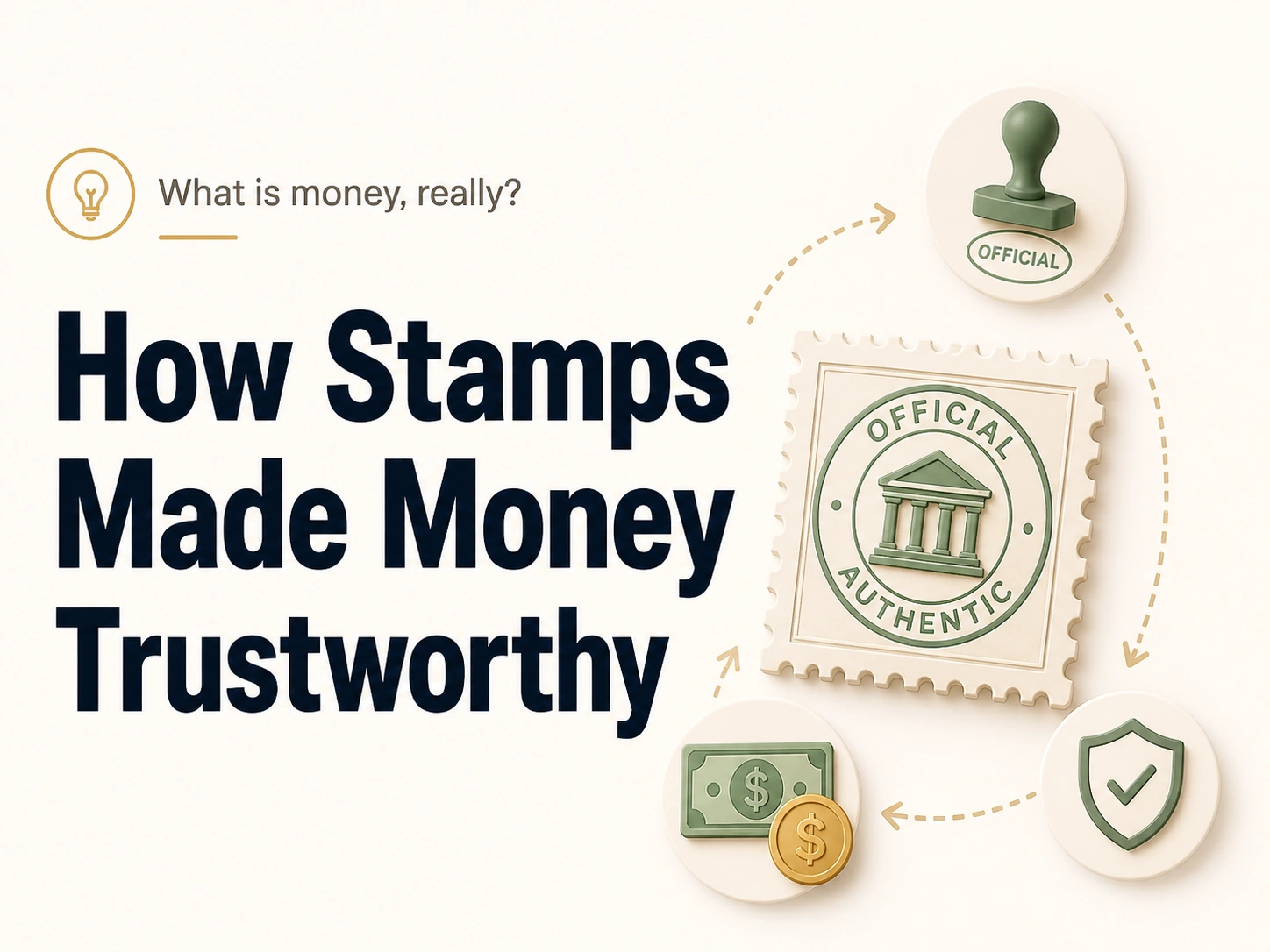
What is Money, Really?
A short course on where money came from, what makes it work, and why we still trust it.
15 lessons·1 hr 13 min total·Free, no signup

More free courses
- CourseStock Market Basics
A free curriculum that takes you from zero to confident investor.
7 lessons·39 min - CourseThe Economic Machine
A plain-English walkthrough of Ray Dalio’s framework for how economies grow, cycle, and contract.
18 lessons·1 hr 29 min - CourseCommodities
How physical markets work - from grain storage and seasonal basis to the mechanics that connect futures prices to the real world.
23 lessons·1 hr 53 min - CourseGDP and Growth
What gross domestic product actually measures, how it is calculated, and what it misses - the number behind every headline about a growing or shrinking economy.
6 lessons·28 min