Commerce Rule Targets China's Offshore AI Chip Rentals
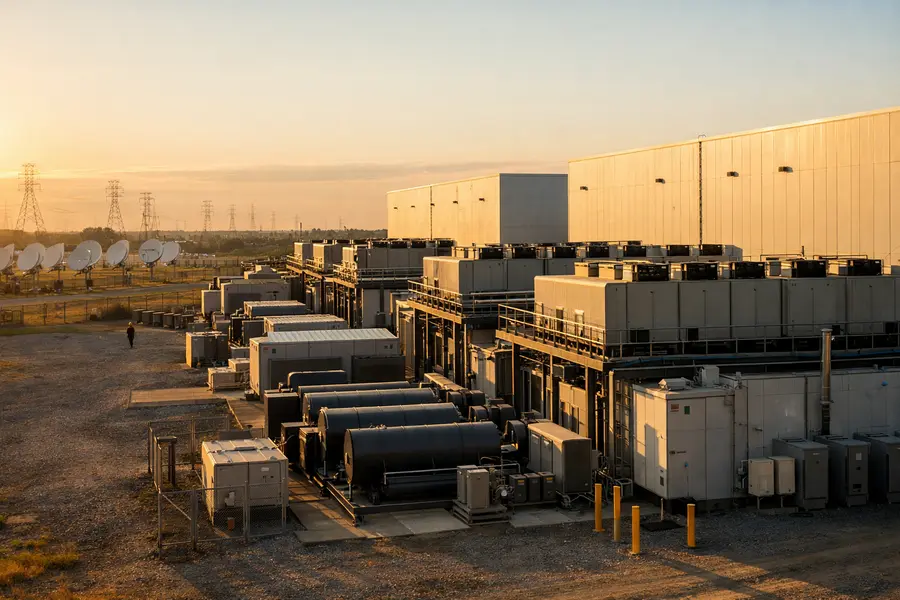
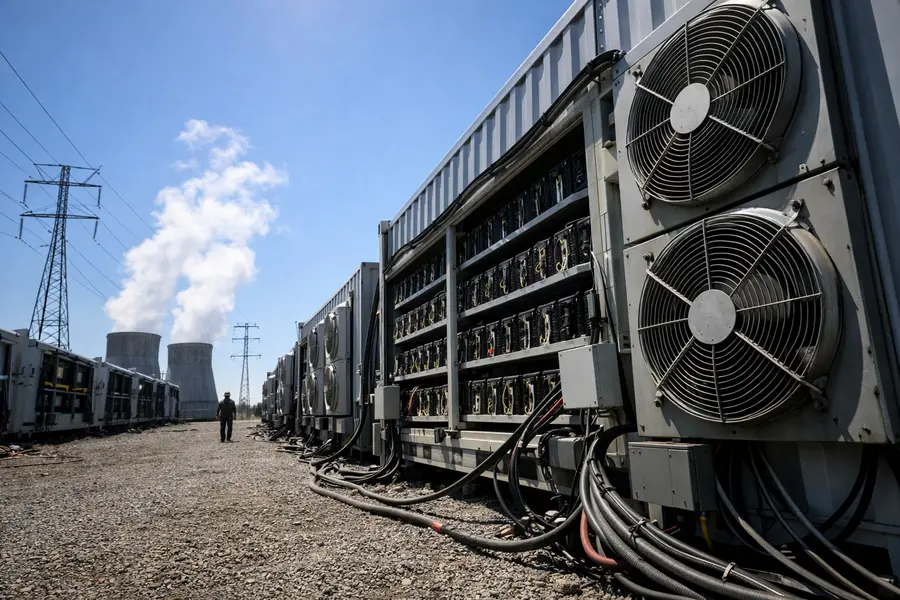
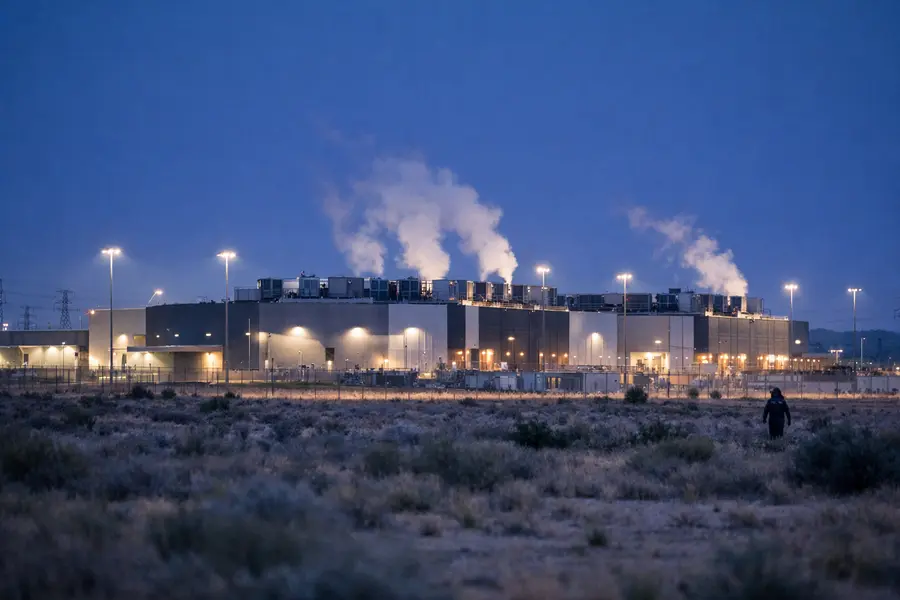
The Commerce Department is finalizing a rule to bar Chinese AI firms from renting Nvidia chips in offshore data centers, ahead of the Trump-Xi APEC meeting.

Daily Digest
Daily Digest
Pomegra Newswire
Policy, politics, and regulation news for investors: legislation, agency rulings, antitrust actions, and the market sectors they touch.

The Commerce Department is finalizing a rule to bar Chinese AI firms from renting Nvidia chips in offshore data centers, ahead of the Trump-Xi APEC meeting.


US-China Section 301 tariff exclusions on 178 Chinese product lines lapse Nov. 10 with no extension, though the Busan trade truce now runs to Jan. 10, 2027.

Trump threatened tariffs of up to 300% on firms that skip US factories as Democrats target Canada duties first, but a presidential veto limits repeal odds.

Trump removed 50% Section 338 tariffs on 22 Canadian product lines, including Maine farm inputs, and added 100 others days before the midterm elections.

President Trump chose negotiations over immediate tariffs on imported robotics and industrial machinery, giving Commerce and USTR 180 days to report back.

The ECB held its policy rate at 2.50% on October 29 as Iran-driven oil lifts inflation to 3.8%, French bond stress builds and Lagarde sets a February exit.

The ECB is expected to hold its policy rate at 2.50% on Oct. 29 as five central banks meet, while the Bank of Japan signals a possible December hike.

Fair Isaac shares fell 9.2% premarket on Monday after FICO held its mortgage score price at $10, as regulators put VantageScore on equal footing at Fannie Mae and Freddie Mac.

US revises its 50% tariff list on Canadian goods from Oct. 30 as Hassett calls a trade deal very close, though Ottawa expects no pact before Nov. 3.

Kalshi faces a Utah gambling suit, a Washington court block and a CME-backed bid to stop its perpetual oil contract, testing CFTC authority over state law.

Circle rose 6%, Coinbase 5% and Strategy 8% after the OCC finalized GENIUS Act stablecoin rules, the first federal framework, effective January 18, 2027.

Taiwan will make unlicensed shipments of AI servers and advanced chips to China a crime, a commitment under its US trade deal that cut tariffs to 15%.

MSTR fell 3% to 4% after MSCI finalized rules that could remove Strategy and other bitcoin-treasury firms from its indexes, with $2.8B in outflows at stake.

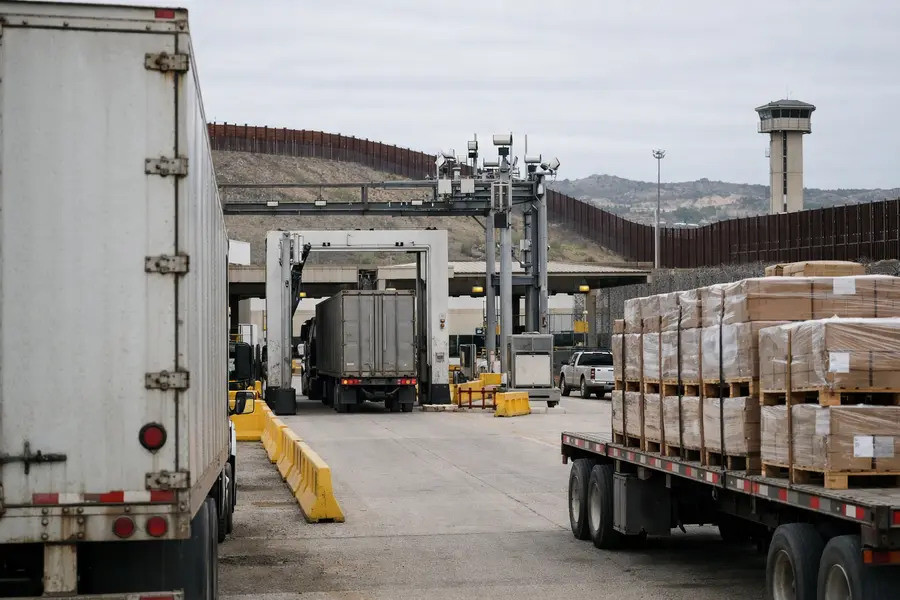
A US-Mexico tariff deal has stalled after Lutnick opposed deep cuts to the 25% auto and 50% steel and aluminum duties, while Mexico says talks still advance.

Trump's threat of 150-300% tariffs on firms that skip US factories within 18 months meets claims he leans on foreign CEOs to press their own governments.

Bank of America faces $1.2 billion in Treasury penalties for money-laundering and sanctions failures, including the largest fine the OCC has ever issued, one day before third-quarter earnings.
The OCC fined American Express $350 million over anti-money-laundering failures, and the Fed issued its own order after about $13 billion in suspected laundering went undetected.
The Labor Department suspended Microsoft, Adobe, Infosys, Wipro, Tata, Cognizant and others from the PERM green card program over alleged H-1B abuse, Vance said.
Webull (BULL) shares fell as much as 29% after a House China committee called its ties to Beijing a national security risk; Robinhood (HOOD) slipped 3%.

FICO stock jumped 11% Thursday and fell about 8% Friday as the FHFA opened U.S. mortgage scoring to VantageScore and weighed a two-bureau credit data rule.

Trump and six AI leaders signed a voluntary, penalty-free safety accord, which markets read as easing near-term federal rule risk for AI stocks and chipmakers.

A three-judge Court of International Trade panel weighed a challenge to Trump's 10-12.5% Section 301 tariffs on 86 countries, covering 99% of US imports; no ruling date is set.
NJ Transit workers accidentally severed Verizon's FAA backup fiber Monday, canceling 600 Newark flights and diverting over 100 transatlantic arrivals across alternate U.S. airports.

The Senate voted down the CLARITY Act on September 15 over stablecoin and conflict-of-interest disputes, leaving crypto regulation in limbo ahead of midterms.

The U.S. Senate holds a make-or-break cloture vote on the CLARITY Act at 2:15 PM ET, with 60 votes required and seven Democrats threatening to block the landmark crypto market-structure bill.

FHFA Director Bill Pulte's directive opening VantageScore 4.0 to all GSE lenders sent FICO shares down 21% and dragged Equifax and TransUnion sharply lower in a single-session regulatory strike.

Senate leaders have scheduled a cloture vote on the landmark CLARITY Act for September 15, though prediction markets assign only a 24-37% probability to the bill becoming law in 2026.

Brazil's central bank mandates a 24-hour delay on crypto transfers above $10,000 to foreign platforms or self-custody wallets, targeting stablecoin fraud, effective January 2027.

A New Mexico court has imposed a landmark $942 million total judgment against Meta, combining a $567 million youth-harm abatement fund with a prior $375 million jury verdict, while mandating…

The Bank of Japan kept its benchmark rate unchanged at 1.00% on July 31, 2026, but upgraded its economic forecasts and signaled a potential move as soon as September as Tokyo inflation hit a…
Regulation moves markets through costs and permissions: a new rule changes what a business must spend, a ruling changes what it may do, and an antitrust case changes whether a merger happens at all. The desk tracks the SEC, FTC, DOJ, and the major legislation working through Congress, always answering the same question - which sectors and companies does this actually touch, and how much?
Policy stories move slower than market stories but often matter more, because they reset the rules an entire industry operates under for years. Coverage links each action to the wiki entries on the agencies and processes involved, so a headline about an HSR second request comes with the explanation of what that stage means.
New rules change costs, revenue models, and merger prospects - so regulatory headlines often move entire sectors, not just single companies.