Pomegra
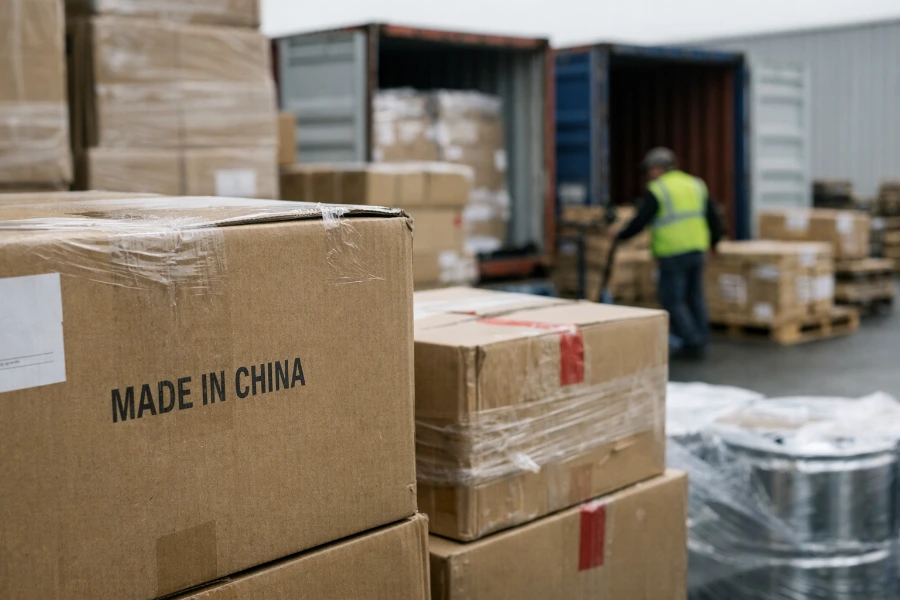
US-China Section 301 tariff exclusions on 178 Chinese product lines lapse Nov. 10 with no extension, though the Busan trade truce now runs to Jan. 10, 2027.
- The 178 remaining Section 301 exclusions end at 11:59 p.m. ET on Nov. 9; entries from Nov. 10 pay the full duty.
- The broader Busan truce was extended to Jan. 10, 2027, but the extension did not cover the exclusions.
- Affected goods revert to tariffs of 7.5% to 25% on top of standard duties.
Lead
The US Trade Representative has not announced an extension for the 178 remaining Section 301 tariff exclusions on Chinese imports, which expire on Nov. 10. The deadline arrives even though Washington and Beijing agreed in September to prolong the broader Busan trade truce by two months, to Jan. 10, 2027. Importers face an immediate duty step-up on goods that have entered tariff-free since the exclusions were last renewed.
What Happens When the Section 301 Exclusions Expire?
Entries filed on or after Nov. 10 lose the exclusion and are assessed at the underlying List 1, 2, 3 or 4A rate, between 7.5% and 25% on top of the most-favored-nation duty. The cutoff falls at 11:59 p.m. Eastern time on Nov. 9, and no grace period follows.
The exclusions remove only the Section 301 layer. Section 232 duties on steel and aluminum, antidumping and countervailing duties, and standard duties are unaffected either way. The 178 lines cover industrial and manufacturing machinery, including 14 exclusions for solar manufacturing equipment announced in September 2024.
How Did the Exclusions Get This Far?
The exclusions survived because the White House made them part of the US-China deal struck after the Trump-Xi meeting in Busan, South Korea, in late October 2025. On Nov. 26, 2025, the USTR extended all 178 from their original Nov. 29, 2025 expiry to Nov. 10, 2026, citing the deal, public comments and direction from the president. China reciprocated by extending its own exclusions on US goods through Dec. 31, 2026.
Why Does the Truce Extension Not Cover Them?
The truce extension and the exclusions run on separate legal tracks. Treasury Secretary Scott Bessent announced the two-month truce extension during Xi Jinping's state visit to Washington in late September 2026. China agreed to keep suspending an additional 24% tariff on US goods while retaining a 10% blanket rate, and to continue suspending special port fees on American ships through Jan. 10.
That announcement did not mention the Section 301 exclusions. The short extension is widely read as a sign that Washington remains dissatisfied with Chinese offers and wants to keep leverage. The exclusions are a narrow lever that can be pulled or released by USTR notice alone.
Is a Last-Minute Extension Still Possible?
A last-minute extension remains possible, but the usual process points the other way. USTR has typically opened a comment period 60 to 90 days before an extension decision. In the previous cycle, a September 2025 notice was followed by an extension announced in late November. No equivalent Federal Register notice appeared this year, and none had been issued as of early November.
Past extensions have sometimes arrived days before or even after a lapse, so a retroactive fix cannot be ruled out. For now, customs brokers are advising clients to treat Nov. 10 as the operative date.
Trade and Supply Chain Impact
The cost falls on US manufacturers that import specialized Chinese equipment with few domestic substitutes. For a buyer of machinery with a 25% underlying rate, the loss of the exclusion adds a quarter of the declared value to the landed cost of each new entry. Shipments already in transit that enter before the deadline keep the exclusion, which has pushed some importers to accelerate arrivals in the final weeks.
Outlook
The lapse adds a targeted cost increase at a time when the wider truce keeps headline tariffs stable until Jan. 10, 2027. The next decision points are whether USTR issues a late extension in the coming days and what Washington and Beijing agree on before the truce expires in January. If neither side moves, the exclusions stay closed and the 178 product lines pay full Section 301 rates.
Mentioned tickers: None