Pomegra
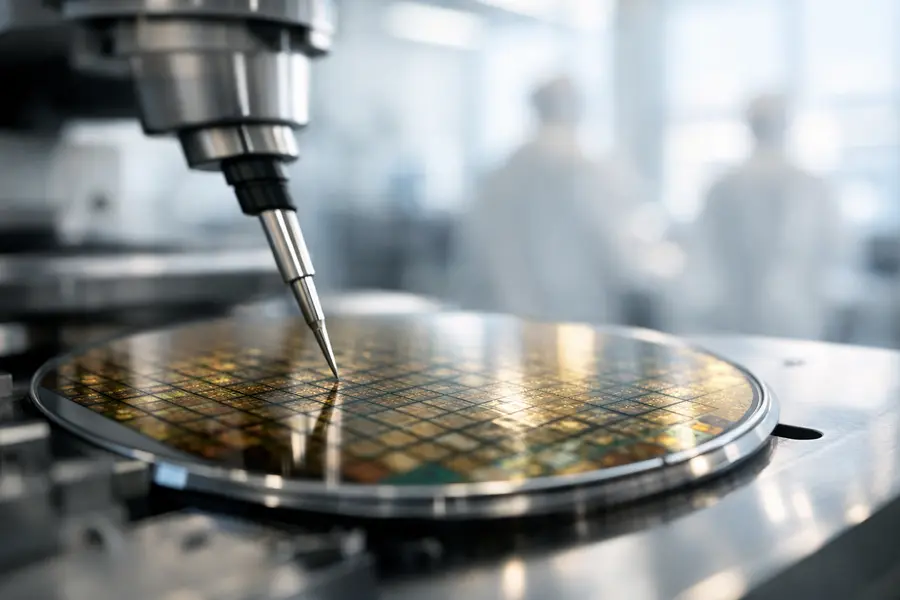
Fusion developer Helion pairs a $50M late-stage private round with a proposed $175M CHIPS award to build high-voltage semiconductors for its power plants.
Key Takeaways
- Helion announced a $50M late-stage private round on October 22, 2026. The investor is undisclosed.
- A letter of intent covers up to $175M from the Commerce Department's CHIPS R&D Office, paid out over three years.
- The Commerce Department would take a non-voting equity stake valued at $175M, priced off Helion's Series G.
Lead
Helion, the Washington State fusion company, said on October 22, 2026 that it raised $50 million in a late-stage private round. The same day it signed a letter of intent with the U.S. Department of Commerce for up to $175 million in federal funding to develop semiconductors and power modules for fusion systems. The company puts the combined package at $225 million. It has now raised more than $3.2 billion in total, which makes it the second-best-funded fusion startup.
The $50 million has no named lead investor, and Helion did not disclose a valuation for it. The federal piece is not yet final. The award depends on Helion and Commerce reaching a definitive agreement.
What Is Helion Getting From the CHIPS Program?
Helion is getting a proposed three-year award of up to $175 million from the CHIPS R&D Office, with the government taking equity in return. Under the letter of intent, Commerce would hold a minority, non-controlling, non-voting stake valued at $175 million. The stake is priced off Helion's most recent Series G preferred stock valuation.
That valuation was set in June 2026, when Helion raised $465 million in a round led by Thrive Capital at a reported $15.5 billion. At that price, $175 million works out to roughly 1.1 percent of the company. The Series F in January 2025 valued Helion at $5.4 billion, so the Series G nearly tripled the mark in about 17 months.
Where Will the Money Go?
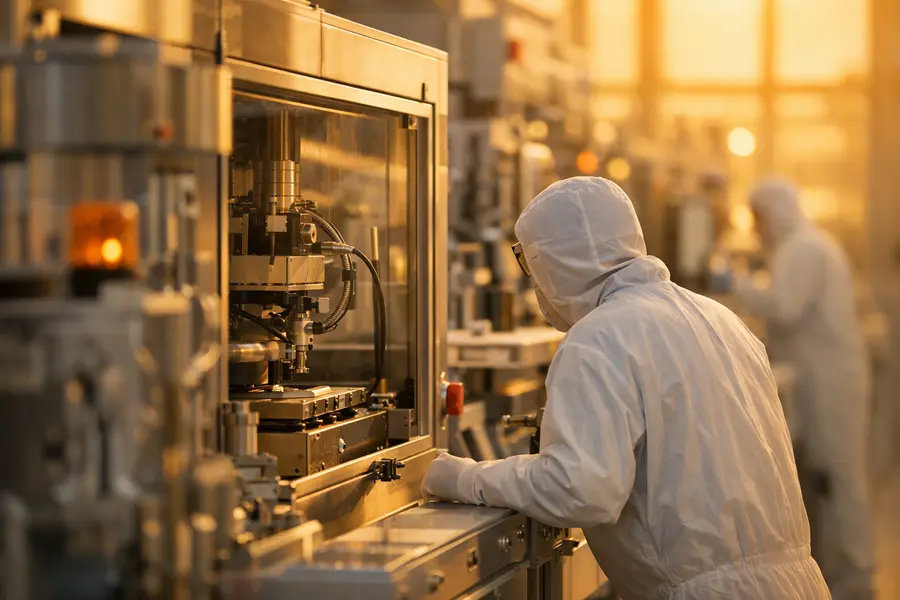
More than $100 million is earmarked for semiconductor and advanced-packaging research in Everett, Washington. Helion expects more than 100 new jobs there, plus substantial power-module manufacturing capacity. About $80 million is planned for tooling, design and process development in Burlington, Vermont, with GlobalFoundries as the manufacturing partner. The remainder would go to additional packaging and manufacturing automation.
Helion describes the target as the first U.S. automated line for this class of high-voltage chip. The goals are higher efficiency, longer operating life and better cooling.
Why Does a Fusion Company Need Its Own Semiconductors?
Helion's reactor design recovers energy directly from the plasma, so the power electronics sit in the critical path. Today's switching hardware loses 5 to 10 percent of the electricity passing through it. CEO David Kirtley has said that cutting that loss in half would be equivalent to doubling the output of the fusion system.
That is a large claim for a component upgrade, and it rests on chips that do not yet exist at production scale. Kirtley also acknowledged that the research will not improve the first plant's performance. The work targets later generations of machines.
How Does This Affect the Microsoft Deadline?
It does not move the near-term date. Helion signed a 2023 agreement to supply Microsoft with grid electricity from Orion, its first power plant, by 2028. It was the first power purchase deal for fusion energy. Orion is under construction, and the company is racing to meet that commitment.
The semiconductor program is a bet on cost and efficiency after Orion. If the chips reach the stated loss reduction, each subsequent plant yields more power from the same fusion core. If they slip, Helion still depends on commercially available components for its early fleet.
What Does the Round Imply?
A $50 million raise is small beside the $465 million Series G four months earlier, and it is small beside the federal award it accompanies. It reads as a matching commitment attached to the CHIPS proposal, not a fresh price discovery event for the company. The undisclosed investor and missing valuation leave the market with no new signal on what Helion is worth.
The government's equity position is the more unusual feature. Washington has historically paid for energy research through grants and loans. Taking a priced stake in a private fusion company ties the taxpayer to Helion's valuation, which the Series G set at a level few fusion peers can match.
Outlook
The next milestone is a definitive agreement with Commerce, which would convert the letter of intent into a binding award. After that, Everett and Burlington need to show working silicon and packaging lines. Helion's 2028 Microsoft delivery remains the test that investors and the government are both watching. The chips determine how cheaply Helion can scale after that date.