Pomegra
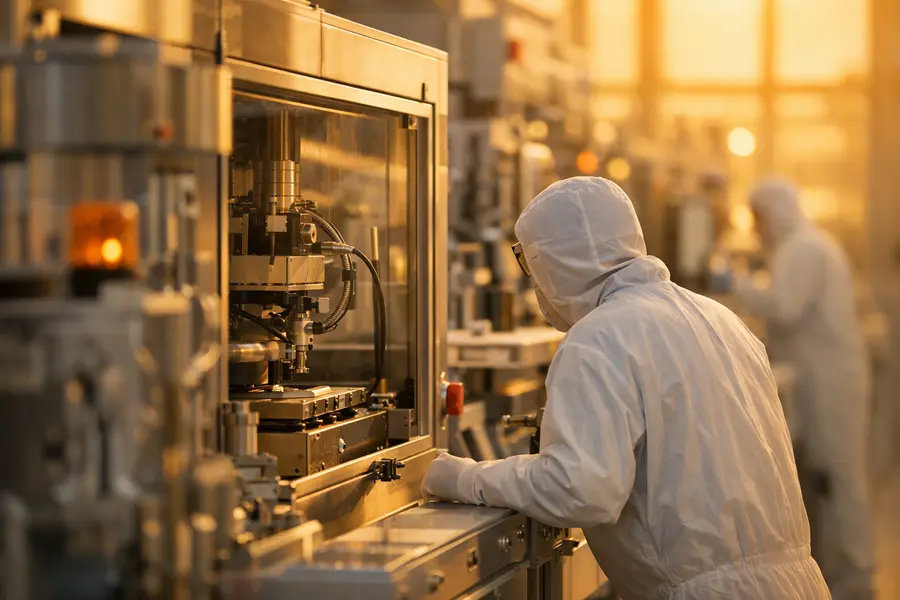
Peak Energy closed a $108M Series B led by GM Ventures to start 4 GWh sodium-ion production in Sacramento in Q1 2027 and enter the data-center market.
Key Takeaways
- Peak Energy raised $108M in an oversubscribed Series B led by GM Ventures, announced October 21, 2026.
- Its 4 GWh Sacramento factory is due to start production in Q1 2027, backed by over $1B in customer orders.
- The round follows a $55M Series A in 2024. Valuation was not disclosed.
Lead
Peak Energy, a San Francisco-based maker of grid-scale sodium-ion battery storage, closed a $108 million Series B on October 21, 2026. GM Ventures, the venture arm of General Motors, led the round. The money funds a 4 GWh factory in Sacramento, California, scheduled to begin production in the first quarter of 2027. It also funds the company's entry into the data-center market with passively cooled storage systems.
Who Else Invested in the Round?
Five other investors joined GM Ventures: Maverick Silicon, Infinite Capital, Eclipse, Xora Innovation and LG Technology Ventures. The company described the round as oversubscribed. It did not disclose a valuation, and figures circulating from third-party databases are unconfirmed.
The round is about twice the size of the $55 million Series A Peak raised in 2024. Capital spending on the Sacramento plant is roughly $71 million, so the factory takes a large share of the new money. The rest goes to scaling the business and fulfilling orders.
What Is Peak Energy Actually Building?
Peak makes battery energy storage systems built on sodium-ion chemistry, which avoids lithium, cobalt and nickel. Its systems are passively cooled, meaning they use no liquid cooling loop and no water. The company claims storage costs up to 20% below conventional systems and zero planned maintenance. Those figures are Peak's own, and no independent test has been published.
Production today is limited to a pilot line in San Francisco. Sacramento would be the first commercial-scale plant. Until it opens, the company's backlog is a promise rather than output.
How Large Is the Order Book?
Peak reports more than $1 billion in customer orders, with over 6 GWh of total commitments. Jupiter Power holds an agreement for up to 4.75 GWh, to be delivered between 2027 and 2030. Energy Vault has signed for 1.5 GWh of systems. RWE in the US is running a pilot deployment of undisclosed size.
That backlog exceeds the new plant's single-year output of 4 GWh, so deliveries would stretch across several years. The contracts also depend on a factory that has not yet produced a unit at scale. The gap between signed orders and shipped product is the main execution risk in the round.
Why Is GM Backing a Grid-Storage Startup?
GM Ventures leads because the relationship already exists. In June 2026, GM and Peak agreed to co-develop next-generation sodium-ion cells at GM's battery labs in Michigan, for later use in Peak's products. GM brings US cell industrialization experience, which Peak lacks at volume.
The deal also gives GM a view into a chemistry that could matter beyond stationary storage. Sodium-ion cells trade energy density for lower material cost and supply-chain independence. Those trade-offs suit grid storage first and vehicles later, if at all. LG Technology Ventures' presence adds a second large cell manufacturer to the cap table.
What Does the Data-Center Push Involve?
Peak plans to sell passively cooled systems to data-center operators, who face rising power demand from AI workloads and long grid-interconnection queues. The company has not named data-center customers or published pricing. For now this is a stated target rather than a revenue line.
The pitch fits the product. Operators care about fire risk, cooling overhead and water use, and a system with no liquid cooling addresses all three on paper. Lithium-iron-phosphate suppliers already sell into this segment with proven track records, so Peak must match their reliability record before it can compete on cost.
What Comes Next for Sodium-Ion Storage?
BloombergNEF projects sodium-ion demand will reach 257 GWh by 2035, up from just over 1 GWh in 2025. Most of that supply is expected to come from China, which makes a US-built factory strategically distinct. The Sacramento plant is small against that forecast, but it would be among the first domestic commercial lines.
Three milestones will test the thesis. The first is the Q1 2027 production start. The second is yield and cost data from the plant, which would verify or contradict the 20% claim. The third is the first named data-center customer.
Outlook
Peak Energy has the lead investor, the factory plan and a $1 billion backlog. It lacks commercial-scale output, independent performance data and a disclosed valuation. The Sacramento ramp in 2027 will show whether sodium-ion can move from pilot lines to a dependable US supply of grid and data-center storage.