Pomegra
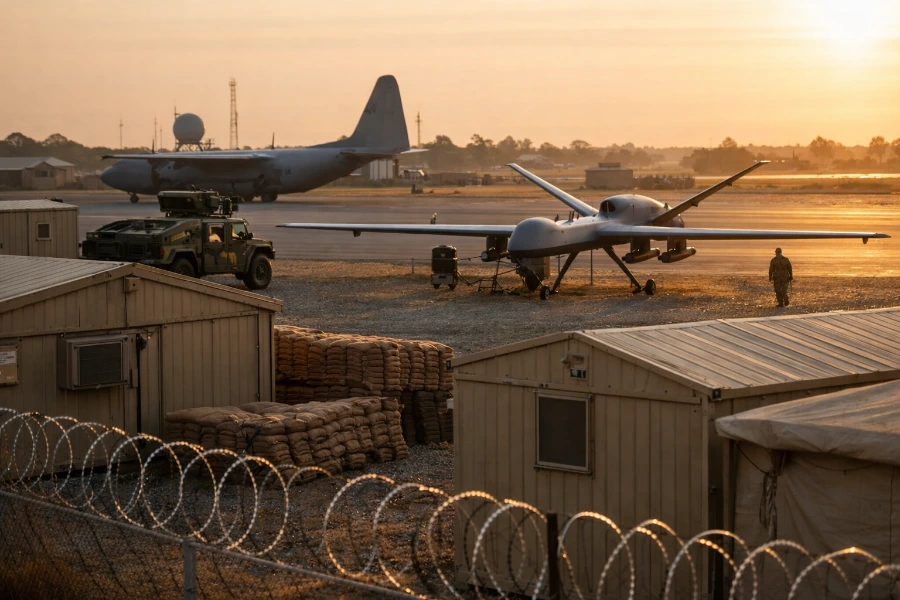
Treasury Secretary Bessent has relocated to a US military base after Iranian threats, while the EU prepares sanctions on 150 Russian entities and 50 banks.
- Treasury Secretary Scott Bessent has left his Georgetown home for an undisclosed US military base after Iranian threats against his life.
- EU ambassadors agreed 145 new Russia-related listings on Nov. 11, including 50 banks, with ministers set to adopt them on Nov. 16.
- Brent crude traded near $92 a barrel and WTI near $86 as the US blockade of Iranian ports continues.
Lead
Treasury Secretary Scott Bessent has moved from his Washington home to an undisclosed military base, following what officials describe as growing Iranian threats against him. The move was first reported on Nov. 10. Days later, the European Union is preparing to adopt its latest round of Russia sanctions, which France has said covers about 150 entities and 50 banks. Together, the two developments show how financial warfare has become a personal security issue for US officials and a continuing priority for Europe.
Why Did Bessent Move to a Military Base?
Bessent moved because Iranian threats against him escalated after his home was publicly identified. The Wall Street Journal published an aerial image of the Georgetown mansion he bought for $12.5 million shortly after his January 2025 confirmation. The photo allowed the property to be geo-located.
Bessent leads Operation Economic Outcast, the Treasury campaign launched in August to isolate Iran's economy through sanctions and financial measures. It complements the US naval blockade of Iranian ports announced in April, which Washington says is collapsing Iran's economy. A Treasury spokesperson said Bessent "will not be deterred by the Iranian regime's threats" and remains committed to the operation and the blockade.
Defense Secretary Pete Hegseth and Secretary of State Marco Rubio are also living on military bases.
What Is the Wider Security Context?
The Justice Department said late Tuesday that three Iranian nationals had been indicted on terrorism-related charges. The case covers nearly 20 attacks and attempted attacks across Europe and the United States. It includes a September plot targeting RAF Fairford in England, which houses US military personnel.
Negotiations between Washington and Tehran remain stalled. Iran denies talks are under way and says such reports are meant to ease economic pressure. The blockade is backed by Qatar, Saudi Arabia, the UAE, Bahrain and Kuwait.
What Is the EU Planning on Russia Sanctions?
The EU is set to add 145 individuals and entities to its Russia-related sanctions lists. Ambassadors reached preliminary agreement on Wednesday, Nov. 11. EU foreign ministers are expected to adopt the listings at their meeting on Monday, Nov. 16. They take legal effect on publication in the EU's Official Journal.
The package breaks down as follows:
- 113 listings under the main Ukraine-related regime, covering 12 individuals and 101 legal entities.
- 31 listings under the hybrid-threats regime.
- 1 listing under the cyberattack framework.
Fifty Russian banks sit in the main list, alongside enablers of Moscow's shadow fleet of tankers, energy companies and Russian business leaders. France proposed the bulk of the entries. The hybrid listings follow an attempted drone attack at Leipzig/Halle airport in Germany, which Berlin blamed on Moscow. Russia has repeatedly denied involvement in sabotage or hybrid operations in NATO countries.
How Do These Measures Affect Energy Markets?
Neither measure has produced a sharp move in energy prices so far, but both bear on supply. Brent crude traded around $92 a barrel and West Texas Intermediate near $86 during Wednesday's Asian session. The crude oil price is shaped by two supply channels: Iranian exports constrained by the blockade, and Russian barrels moved through shadow-fleet tankers.
Targeting shadow-fleet enablers raises compliance and insurance costs for Russian exporters. It does not remove volumes outright. The Iran blockade carries greater near-term price risk because of its proximity to the Strait of Hormuz, through which a large share of seaborne oil passes.
Strategic Context
Washington and Brussels are applying financial pressure to two adversaries at once. The EU's choice of 50 banks as a headline target reflects an effort to close remaining channels for payments and trade finance. It also acknowledges that earlier packages left gaps that Russian lenders and intermediaries have exploited.
For Washington, the relocation of a Treasury secretary shows the personal cost of sanctions enforcement. Treasury officials have not typically faced security arrangements of this kind. It also signals that Tehran views economic measures, and not only military action, as the main threat to its position.
Outlook
Over the next three to twelve months, Treasury's campaign against Iran and the EU's expanding Russia listings are likely to remain core tools of Western policy. The formal EU vote on Nov. 16 is the next checkpoint. Any change in the stalled US-Iran talks, or in Hormuz shipping conditions, would be the main driver of oil prices. Security protection for senior US economic officials is likely to remain elevated while the blockade continues.
Mentioned tickers: None