Pomegra
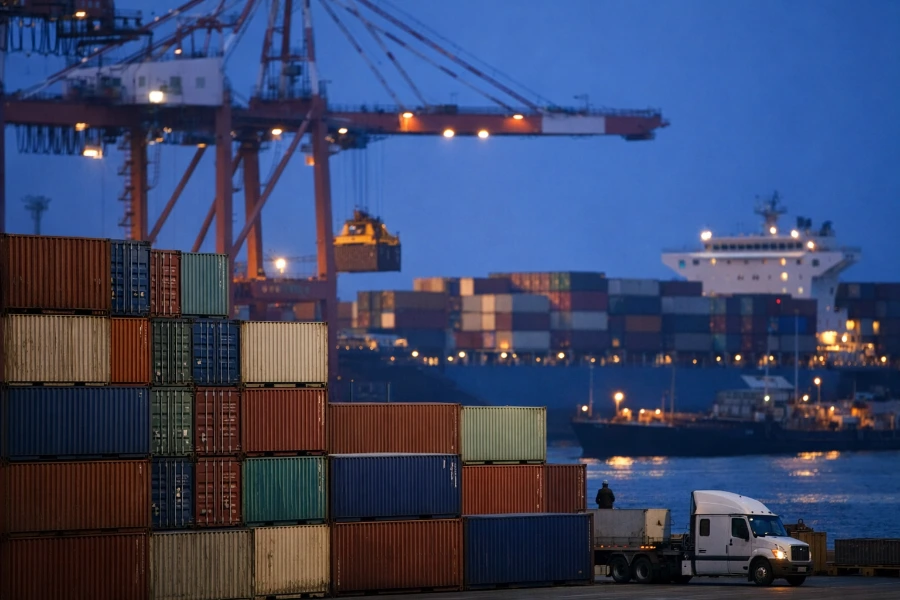
China extended its suspension of an extra 24% tariff on U.S. imports by two months from November 10, keeping a 10% levy and a January 2027 deadline in view.
- China extended the suspension of its extra 24% tariff on U.S. goods by two months, effective 1:01 p.m. Beijing time on November 10.
- The 10% tariff on U.S. imports stays in force; the new deadline falls on January 10, 2027.
- Beijing cited Washington's plan to swap invalidated IEEPA tariffs for Section 301 duties and reserved the right to adjust.
Lead
China's State Council Tariff Commission announced on November 9 that the suspension of the additional 24% tariff on imports from the United States will continue for two months from November 10. The existing 10% levy remains. The move keeps in place the trade truce that originated at the October 2025 Busan summit, which had suspended the measures through November 10, 2026. It leaves U.S.-China trade relations facing a fresh deadline in January.
What Did China Announce?
China announced a two-month extension of the suspension of the extra 24% tariff, moving the cutoff to January 10, 2027. The commission said the step would give businesses in both countries a stable and predictable policy environment and support the steady development of bilateral economic and trade ties.
The deadline traces to a September 23 meeting in Washington between the U.S. Treasury Secretary and China's Vice Premier He Lifeng, which set January 10 as the next checkpoint. Export restrictions Beijing had announced on rare-earth equipment, raw materials and technologies, along with synthetic diamonds, superhard materials, lithium and synthetic graphite for batteries, were postponed to the same date.
Why Is Beijing Citing Section 301?
Beijing is citing Section 301 because Washington plans to replace tariffs imposed under the International Emergency Economic Powers Act (IEEPA), which lost effect after a court ruling, with duties under Section 301 of the Trade Act. The commission said it is monitoring those moves and will review U.S. follow-up measures closely.
The distinction matters in practice. IEEPA tariffs were imposed by emergency declaration. Section 301 duties follow an investigation by the U.S. Trade Representative and can be targeted at specific practices or sectors. A new legal basis could rebuild the tariff wall China has been negotiating against, and Beijing has signaled that its retaliatory measures could change if it does.
What Does the Two-Month Extension Mean for Trade Flows?
The extension means that Chinese tariffs on U.S. goods stay at 10% through at least January 10, 2027, rather than rising by 24 points to 34%. That protects exporters of American farm goods, energy and industrial products who face a Chinese market that is already costly to enter.
Two months is a shorter window than the one-year truce set at Busan. A shorter horizon limits how far importers and shippers can plan contracts and inventories, and it concentrates negotiating leverage into a tight winter calendar. The rare-earth export curbs carry particular weight for manufacturers of batteries, electronics and defense equipment, which depend on Chinese processing capacity.
What Comes Next for the Trump-Xi Track?
The next test is a leaders' meeting expected at the upcoming APEC summit, where the tariff structure and export controls are likely to be central. The announcement ahead of that meeting reads as an effort to preserve the diplomatic atmosphere while Washington finalizes its replacement tariff architecture.
Three paths are visible over the next three months:
- Further extension. Both sides roll the deadline forward again, keeping the 10% floor.
- Section 301 escalation. New U.S. duties prompt Beijing to adjust countermeasures, which could end the 24% suspension.
- Broader deal. A leaders' meeting produces a longer framework covering tariffs, rare earths and agricultural purchases.
Outlook
China's extension holds the 10% tariff in place and defers the 24% increase to at least January 10, 2027. The decision removes an immediate escalation risk but ties the truce to Washington's shift from IEEPA to Section 301 tariffs and to the outcome of the expected Trump-Xi meeting. Another deadline in January keeps trade policy uncertainty in the planning horizon for exporters, importers and supply chain managers.
Mentioned tickers: None