Pomegra
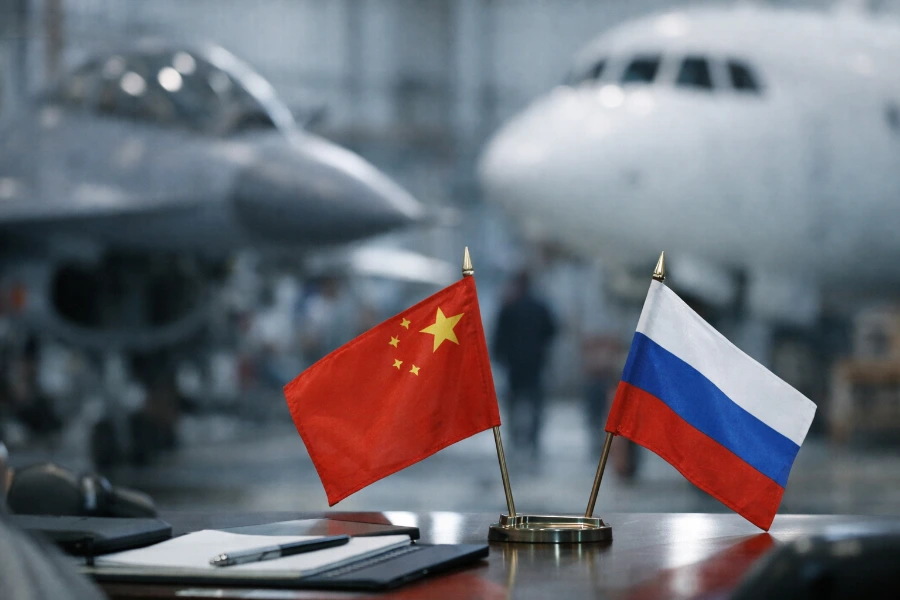
Trump says he expects to meet Xi Jinping and Vladimir Putin at the APEC summit in Shenzhen on Nov. 18-19 to discuss ending the Iran war and denuclearization.
- Trump expects a meeting with Xi and Putin at the Shenzhen APEC summit on Nov. 18-19.
- The agenda covers ending the Iran war and denuclearization, with Ukraine also in play.
- Brent crude fell to about $93 on Monday, its lowest since August, as diplomacy gained ground.
Lead
President Donald Trump said on Sunday that he expects to meet Chinese President Xi Jinping and Russian President Vladimir Putin at the Asia-Pacific Economic Cooperation leaders' summit in Shenzhen next week. He said the talks would address ending the war in Iran and denuclearization. The summit runs Nov. 18-19 in China's southern technology hub.
"One of the meetings, I think, will be with President Putin and President Xi, and that'll be interesting," Trump said. "We're talking a lot of things, including denuclearization, but we'll be talking a lot of things. We're trying to end the war in Iran."
What Did Trump Say About the APEC Summit Meetings?
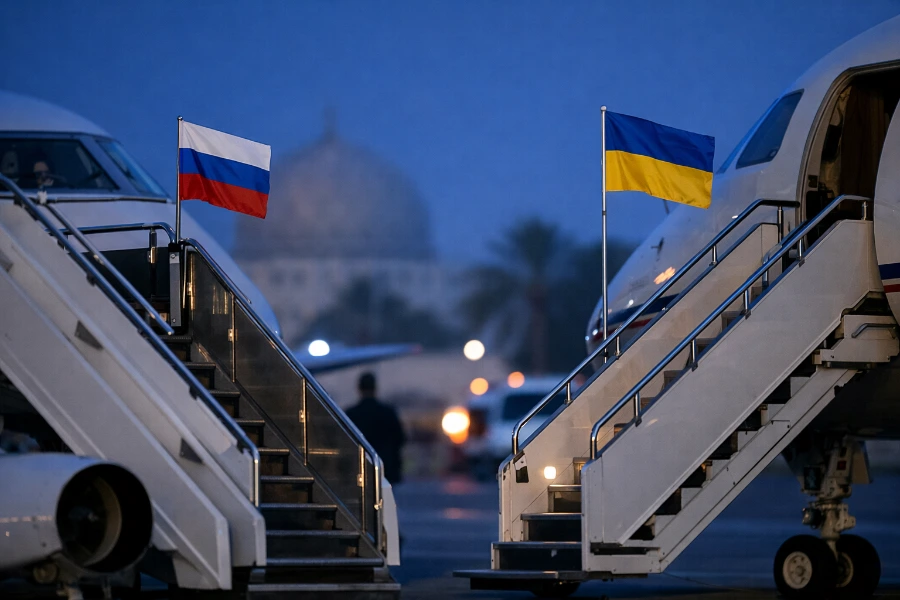
Trump described a trilateral session as one of several meetings he hopes to hold during the Shenzhen visit. He did not give a time or venue, and the format has not been formally confirmed. The Kremlin has said "work is underway" to arrange a meeting between the three leaders on the sidelines of the APEC gathering.
The proposal builds on remarks Trump made in October, when he said he was open to three-way arms control talks with Xi and Putin focused on denuclearization. It would be the first time the leaders of the three largest nuclear arsenals sit down together. Putin is expected to attend his first APEC summit since 2017.
Trump also said a deal to end Russia's war in Ukraine is close and would leave Ukraine in a "little bit different shape." Putin has proposed using a trilateral meeting to address that conflict.
Why Is the Iran War Central to the Agenda?
The Iran war is the most immediate pressure on the White House and on energy markets, and both Beijing and Moscow have leverage over Tehran. China is the largest buyer of Iranian crude, and Russia is a diplomatic and military partner of Iran. Any off-ramp for Washington is likely to need their support.
Disruption in the Strait of Hormuz has kept the issue in front of investors. Iran reported three more tanker attacks in the strait on Thursday, and vessel attacks have continued at near-record rates. The waterway carries roughly a fifth of global oil consumption, which ties the diplomacy to prices and inflation.
Diplomatic signals have strengthened since the Democratic sweep of the U.S. midterm elections, which increased pressure on Washington to seek an exit from the conflict. Qatar's prime minister is traveling to the White House with an Iranian proposal for an interim deal to reopen the strait, and Iran has also sent a nuclear proposal to Washington through Qatar.
How Are Oil Markets Reacting?
Oil prices fell sharply on Monday as traders priced in a higher chance of a diplomatic settlement. Brent crude dropped about 5% to $93.44 a barrel, its lowest level since August, while U.S. West Texas Intermediate fell about 4.6% to $86.65.
The decline extends last week's slide. Brent settled Friday at $98.32 a barrel, down 16% for the week, and WTI settled at $90.83, down nearly 13%. Even so, crude oil remains elevated against pre-war levels. Energy consultancies rate the odds of a durable U.S.-Iran agreement as low in the near term, and some forecasters still see a risk that fighting resumes, which would push both benchmarks back above $100.
What Are the Obstacles to a Deal?
The core dispute is unchanged. The Trump administration insists Iran must not hold nuclear weapons capability, and Tehran has so far refused terms that would end enrichment. A trilateral meeting would not remove that gap, but it would put the two governments with the most influence over Iran and Russia's arms posture in the same room as Washington.
Denuclearization talks face their own constraints. Strategic arms control between the United States and Russia has lacked a binding framework since the New START treaty expired, and China has resisted joining limits on a nuclear arsenal that is smaller but growing. Beijing has not publicly confirmed its willingness to take part in three-way talks, and neither China nor Russia has confirmed the meeting.
What Comes Next for Markets and Diplomacy?
The next two weeks set the near-term path. The first marker is the outcome of the Qatari-mediated Hormuz proposal in Washington. A second is whether the Kremlin and Beijing confirm a trilateral format before Nov. 18. A third is whether military action resumes before the summit, which would likely reverse the oil decline and complicate the schedule.
For companies and investors, the exposure runs through three channels: energy prices, shipping and insurance costs through the Gulf, and the state of U.S.-China relations ahead of any follow-up trade discussions on the sidelines of the summit. A confirmed meeting would support the case for lower risk premiums in crude. A cancelled one would remove the main diplomatic catalyst behind Monday's move.
Outlook
Trump's planned meetings in Shenzhen give the Iran negotiations and nuclear arms control their most prominent stage in years. Oil markets have already moved on the prospect of a settlement, with Brent at three-month lows. The summit will test whether Washington, Beijing and Moscow can turn shared interest in stability into an agreement on Iran and a framework on denuclearization.