Pomegra
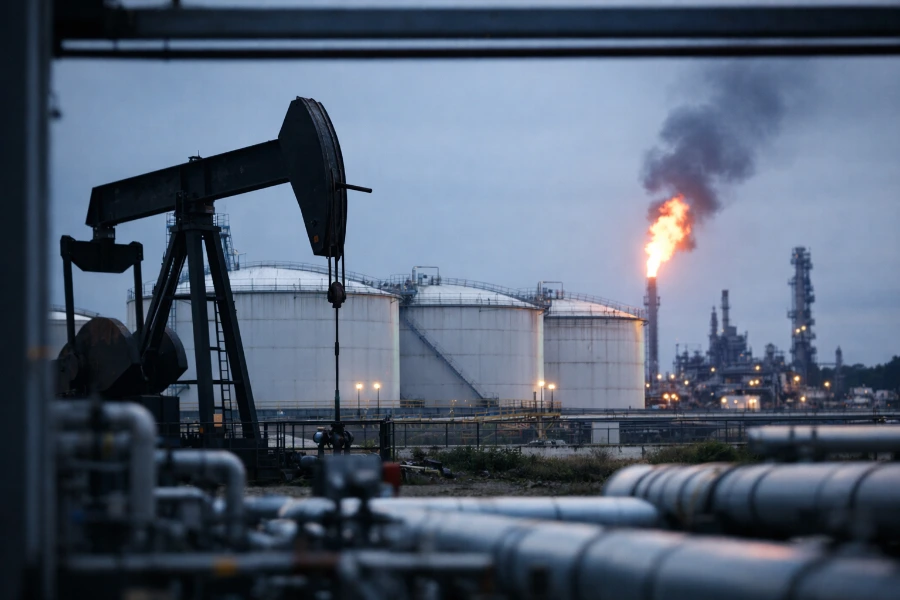
Brent crude rose above $93 after Trump pulled Vance from Iran talks and two tankers hit mines in Hormuz, reviving the war premium in the crude oil price.
- Trump said "We don't need a deal with Iran" and moved Vice President JD Vance off the diplomatic track on Nov. 12.
- Brent rose to $93-94 a barrel after two tankers reportedly struck mines in the Strait of Hormuz.
- Brent has still fallen roughly 17% in November on hopes of a Qatari-brokered Hormuz arrangement.
Lead
Oil prices climbed on Thursday after President Donald Trump declared the United States does not need a deal with Iran and removed Vice President JD Vance from the negotiating effort. Brent crude traded as high as $94.25 a barrel, up about 1.6%, while West Texas Intermediate gained about 1.3% to $87.62. The move reversed part of a slide that had taken Brent to two-month lows earlier in the week.
"We don't need a deal with Iran. Those days have long since passed. We've got their money, hundreds of billions of dollars, and we've got their Strait!" Trump wrote on social media.
What Did Trump Say, and Why Was Vance Pulled?
Trump said he had asked Vance to focus on what he called corruption and crime in Democratic-run states, including Minnesota, California and Illinois, ending the vice president's role in Iran diplomacy. Vance had taken a larger part in the talks than special envoys Steve Witkoff and Jared Kushner and had been weighing a meeting with Iranian security official Mohsen Rezaei.
The statement marks a sharp change in tone. On Nov. 9, Trump described renewed military action against Iran as "quite unlikely," and in recent weeks he had said the war, which began Feb. 28 with strikes carried out alongside Israel, would end after the midterm elections. Those elections, on Nov. 3, cost Republicans their congressional majority.
Why Did the Crude Oil Price React This Way?
Brent rose because Trump's remarks removed the near-term prospect of a settlement that would reopen the Strait of Hormuz, which carries about 20% of global oil and LNG shipments. Traders had priced in a deal quickly. Brent fell about 4% to $94 on Monday as Qatar's prime minister carried an Iranian interim proposal to the White House, and Vance said the two sides had "certainly made some progress."
That premium rebuilt on Thursday. The gap between the two benchmarks also widened: Brent, which tracks seaborne crude, gained more than WTI, which has less exposure to Gulf shipping risk. US energy equities also firmed.
Two other factors capped the rally. Saudi Arabia has raised output close to prewar levels, and Brent is still down about 17% for November, so the market has not returned to its peak war pricing.
What Is Happening in the Strait of Hormuz?
Shipping attacks have resumed in the strait, with two oil tankers reportedly striking mines overnight. Iran's Revolutionary Guard naval branch claimed both vessels were on fire. Earlier, the Guard had said four tankers were destroyed by mines south of the strait. Separately, British maritime security firm Ambrey said a merchant vessel was struck by an unidentified projectile near the United Arab Emirates while leaving the waterway.
The incidents disrupt LNG as well as crude flows. Insurance costs for transits, already elevated, are likely to stay high while mines remain a threat and no diplomatic channel is open.
Geopolitical Dimension
Trump's reference to Iranian money and "their Strait" asserts US leverage on two fronts: frozen Iranian assets and control over the waterway. Tehran has demanded sanctions relief and removal of maritime barriers before any negotiations begin, and the Qatari plan, reported to involve an $8 billion arrangement to reopen Hormuz, now faces a cooler reception in Washington.
Rhetoric that frames the strait as under US control also raises the risk of retaliation against shipping or regional energy infrastructure, which would prolong the supply disruption.
What Comes Next for Oil Prices?
Brent is likely to stay tied to headlines on the Qatari proposal and the frequency of mine strikes. A revived diplomatic track would push the crude oil price back toward the mid-$90s or lower, as it did earlier this week. Further tanker losses or an escalation in US military posture would reinstate the risk premium that the November decline had eroded. The three- to six-month outlook depends on whether the mines are cleared and insurers return to the strait, regardless of the diplomatic outcome.
Outlook
Trump's rejection of a deal, and the removal of Vance from the process, leaves the Hormuz standoff without a clear negotiating channel just as shipping attacks resume. Brent holds above $93, well below its wartime highs but exposed to renewed escalation. The Qatari plan is the main path back to lower prices, and its fate now depends on whether the White House or Tehran moves first.
Mentioned tickers: N/A