Pomegra
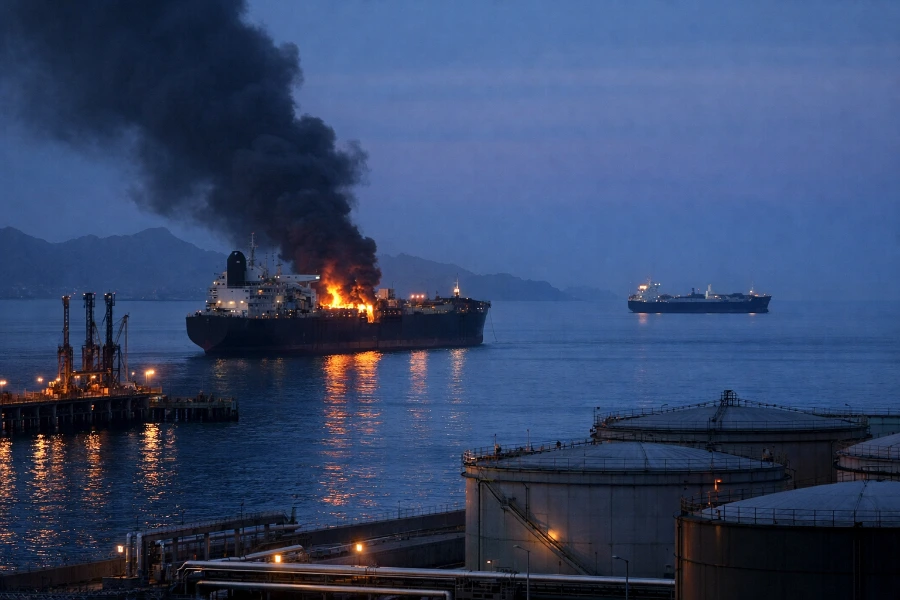
Brent crude rebounded to $92 a barrel on Wednesday from a two-month low as Hormuz tanker attacks undercut US-Iran truce hopes, keeping supply risks in focus.
- Brent rose about 1% to roughly $92 a barrel; WTI gained to about $86.50.
- Ten ships were attacked in the Strait of Hormuz in November, after 37 in October.
- US crude stocks rose 9 million barrels, and Russian refining is down about 30%.
Lead
The crude oil price recovered on Wednesday, November 11, as renewed attacks on commercial shipping around the Strait of Hormuz outweighed signs of de-escalation in the Iran war. Brent futures traded near $92 a barrel, up roughly 1%. West Texas Intermediate rose about 0.6% to near $86.50. Both benchmarks had touched two-month lows in the previous session.
What Happened to Oil Prices This Week?
Oil swung sharply across two sessions as diplomacy and shipping risk pulled in opposite directions. On Tuesday, prices fell by more than $3 a barrel at one point after US officials downplayed the need for further military strikes against Iran. Much of that decline reversed after an Iranian security official said no talks were taking place between the two sides. Wednesday's gains extended the recovery.
Why Are Tanker Attacks Overriding Truce Hopes?
Attacks on vessels have continued regardless of the diplomatic signals. A total of 37 ships were attacked in the Strait of Hormuz and surrounding waters in October, the highest monthly count since the war began. Ten more have been recorded in November so far.
Three tankers were hit on Sunday. Two caught fire after striking mines, according to Iranian claims that they had used an unauthorised route. Another tanker was struck off Oman. The strait carries a large share of seaborne crude, so each incident raises insurance costs and shipowner caution.
Would a Deal Reopen Hormuz Quickly?
A deal would not restore normal flows immediately. Any increase in traffic would depend on mine clearance, insurance costs and whether shipowners are willing to accept the risk. That leaves a floor under prices even if talks resume, because the physical disruption would outlast a political agreement.
Supply Factors Beyond the Gulf
Other supply and demand signals are mixed. US crude inventories rose 9 million barrels in the week ended November 6, a bearish signal for demand. Russian refining capacity has fallen about 30% since late October after Ukrainian drone strikes, which tightens product markets. Russian and Ukrainian delegations also met in Abu Dhabi this week for their first peace talks since February, a development that could eventually ease pressure on Russian energy infrastructure.
What Comes Next for Oil Prices?
Direction over the next several weeks will depend on whether shipping attacks slow and whether Washington and Tehran open formal talks. Continued strikes on tankers point to a market that keeps pricing a risk premium. A verified ceasefire with a mine-clearance plan would point to a deeper pullback from current levels. In the near term, trading is likely to stay headline-driven, with intraday swings of $2 to $3 a barrel remaining possible.
Outlook
Brent's rebound to about $92 shows that physical disruption in the Strait of Hormuz is currently outweighing diplomatic signals. Rising US inventories limit the upside, but attacks on shipping and reduced Russian refining keep supply risks elevated. A durable decline in the crude oil price would require both a political agreement and a credible plan to secure the waterway.
Mentioned tickers: None