Pomegra
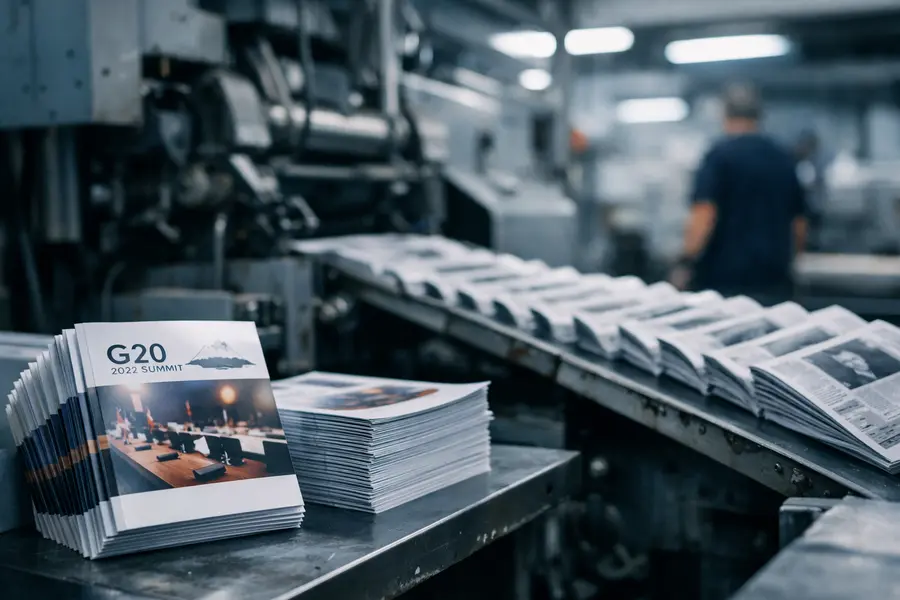
Secretary of State Rubio defended Russia's G20 invitation after Germany and the EU objected, and the US scrapped the Atlanta group photo over Lavrov's presence.
- The US cancelled the G20 foreign ministers' group photo on Oct. 30 after European officials refused to stand beside Sergey Lavrov.
- Rubio said talking to Russia is necessary to broker a Ukraine settlement and does not legitimise Moscow's actions.
- The dispute lands six weeks before the G20 leaders' summit in Miami on Dec. 14-15, to which Vladimir Putin has been invited.
Lead
Secretary of State Marco Rubio defended the decision to invite Russia to US-hosted G20 meetings on Oct. 31, a day after European officials forced the cancellation of the traditional "family photo" at the foreign ministers' gathering in Atlanta. Russian Foreign Minister Sergey Lavrov attended the Oct. 30 session. Several European delegations had threatened to skip the photograph or walk out rather than appear alongside him. Washington chose to drop the photo rather than let the episode derail the two-day meeting.
Why Did the US Scrap the G20 Group Photo?
The United States scrapped the photo because European ministers would not be pictured with Lavrov, and Rubio judged the dispute would become a distraction from the agenda. German Foreign Minister Johann Wadephul said there would be "no family photo featuring our European partners together with Mr Lavrov." He added that there was "no normality with Russia."
Poland's foreign minister, Radoslaw Sikorski, called the cancellation "the right decision" and said he was not the only one who did not want to be photographed with Lavrov. The United Kingdom has held a policy since Russia's 2022 invasion of Ukraine of avoiding direct bilateral meetings with Russian ministers. European diplomats stressed that Russia's presence at the table "in no way legitimises its actions."
How Did Rubio Defend Inviting Russia?
Rubio argued that the US cannot mediate between Moscow and Kyiv without speaking to both. "How can you have a negotiated settlement between Russia and Ukraine if you don't have the ability to talk to both?" he asked. He said President Donald Trump "does not view meeting with someone or talking to someone as legitimising everything they do."
He also pointed to nuclear risk. "Russia, like the US, is a nuclear power," Rubio said, adding that channels of communication reduce the danger of escalation. He said Washington speaks with Ukrainian officials "as much, if not more" than with the Russian side. Ukraine was not invited to the Atlanta meeting.
What Did the EU Say About Russia's Role?
The EU's chief diplomat, Kaja Kallas, said Lavrov's conduct in Atlanta showed no indication that Russia is willing to engage in peace talks. She used the meeting to pledge continued support for Ukraine and to press for accountability for Russian actions. The UK foreign secretary challenged Lavrov directly during the session over Moscow's appetite for peace.
The exchange followed a Russian strike on a Ukrainian railway that killed at least 14 people. Diplomats noted that the G20 can no longer agree joint communiques while Russia sits in the room, a constraint that has shaped the grouping since 2022.
Geopolitical Dimension
The split exposes a widening gap between Washington and its European allies over how to engage Moscow. The Trump administration has issued temporary waivers on certain Russian sanctions and tariffs since late September. European governments have kept their own restrictions in place.
The guest list sharpens the divide. South Africa, a founding G20 member and the only African participant, was not invited by Washington and has said it expects to take part when the United Kingdom chairs the group next year. China sent an executive vice foreign minister rather than Wang Yi. Both choices signal that the US presidency is shaping the forum around its own diplomatic priorities.
How Does This Affect the Crude Oil Price?
Russia's G20 role matters for energy markets because sanctions relief on Russian crude and tanker shipments is one of the few forces pulling the crude oil price lower. Brent has traded above $100 a barrel as the Iran war disrupts the Strait of Hormuz. Transits through the strait have fallen to a handful a day against a pre-crisis baseline of roughly 85, and reported mine strikes on tankers have kept supply fears elevated.
Waivers for Russian exports have offset part of that pressure and pulled prices back from recent highs. They have not reversed the move. Rubio framed the meeting around that backdrop, saying maritime and food security "drive economic security." A harder European line on Moscow, or a withdrawal of the waivers, would remove one of the offsets to the Hormuz premium.
What Comes Next for the Miami Summit?
The next test is the leaders' summit at Trump's Doral resort in Miami on Dec. 14-15. Putin has been invited, and whether he attends remains unconfirmed. If he does, European leaders face the same choice their foreign ministers faced in Atlanta, with higher stakes: share a stage and a photograph with the Russian president, or leave a gap in the summit's staging.
Three scenarios stand out over the next three to twelve months:
- Compromise format: the US stages Miami without a joint photograph and keeps the sessions technical, avoiding another public rupture.
- European boycott of Russian sessions: delegations skip segments where Putin or Russian officials speak, narrowing the summit's output.
- Escalation of the sanctions split: further US waivers for Russia widen the transatlantic gap and complicate coordination on Ukraine support.
Outlook
Rubio has kept Russia in the G20 on the argument that diplomacy with Moscow is unavoidable. Europe has shown it will refuse symbolic shows of normality. The cancelled photo is minor in itself, but it marks how far apart Washington and its allies are on engaging Russia before the Miami summit, with oil markets and Ukraine diplomacy both exposed to the outcome.