Pomegra
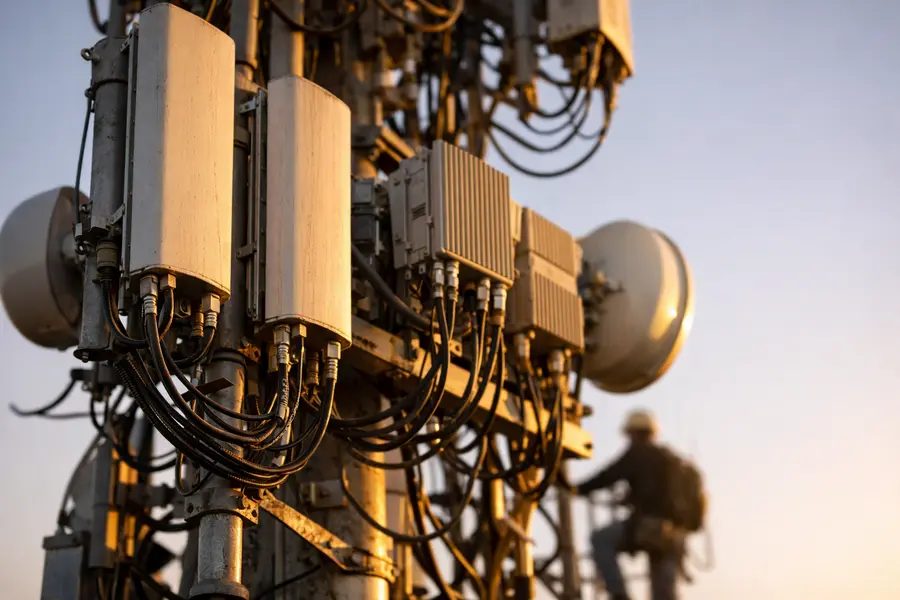
SpaceX (SPCX) is pursuing at least 80,000 US cell sites to build a fourth nationwide wireless carrier, hitting AT&T, Verizon and T-Mobile shares after hours.
- SpaceX is seeking about 80,000 US cell sites, roughly half of the 158,500 purpose-built towers in the country.
- AT&T, Verizon and T-Mobile fell 3% to 5% in extended trading on October 22 after the news.
- No tower lease has been signed, and a Boost Mobile acquisition is also under discussion.
Lead
SpaceX (Nasdaq: SPCX) is seeking access to at least 80,000 cell sites across the United States as it builds a fourth nationwide wireless carrier, with talks under way with tower owners including Crown Castle (CCI) and American Tower (AMT). The 80,000 sites equal about half of the 158,500 purpose-built cell towers operating in the US last year, according to the Wireless Infrastructure Association. No tower lease has been signed. The move turns Starlink's satellite-to-phone ambitions into a plan for a conventional terrestrial network.What Is SpaceX Seeking From Tower Owners?
SpaceX is seeking space for its radio equipment on roughly 80,000 existing towers, a footprint broadly consistent with what a nationwide terrestrial network requires. Crown Castle operates about 40,000 US towers and American Tower about 42,000. Privately held Vertical Bridge owns around 18,000. Crown Castle draws about 93% of its site rental revenue from T-Mobile (TMUS), AT&T (T) and Verizon (VZ), the three carriers SpaceX would compete against.
One estimate puts SpaceX's commitment at about $30 billion. A separate estimate from TD Cowen is that a full nationwide terrestrial network would cost more than $80 billion and take years to build. SpaceX also plans to place equipment on real estate it already holds for Starlink facilities.
How Did Wireless and Tower Stocks React?
The three incumbent carriers fell sharply in extended trading on October 22, with moves of roughly 3% to 5%. Verizon slipped about 3.7% to $43.51, AT&T about 3.3% to $21.99 and T-Mobile about 4.3% to $151.91 at the late-session marks. The three extended their declines in the following morning's session.
Tower owners moved in the opposite direction. Crown Castle climbed more than 9% to $86.29 in later extended trading, and American Tower gained about 4% to $189.35. Both had traded near flat earlier in the evening. SPCX shares swung between losses and gains, ranging from a drop of about 6% to a rise of about 1% to $146.44 as the reports circulated.
The reaction reflects a simple read-through. A new tenant with national ambitions adds demand for tower space and adds competition for the carriers that pay the rent.
Why Does SpaceX Want a Terrestrial Network?
SpaceX needs ground infrastructure because satellites alone cannot deliver the capacity of a mass-market mobile network. The company has assembled spectrum to support the plan. It agreed in September 2025 to buy EchoStar's AWS-4 and H-Block licences, with the deal amended in November 2025 to add up to 15 MHz of AWS-3 spectrum. In October 2026 it agreed to buy Grain Management's 14 MHz paired nationwide 800 MHz portfolio for a reported $8 billion, with closing expected in the first half of 2027. Elon Musk has described that low-band spectrum as the last critical piece.
Low-band spectrum travels farther and penetrates buildings better than higher frequencies, which lowers the number of sites needed for coverage. Third-quarter connectivity revenue reached $5.20 billion, giving the Starlink business a base to fund the buildout.
Is Boost Mobile Part of the Plan?
SpaceX has also held talks with EchoStar (ECHO) about buying Boost Mobile or using its network, a report on November 2 said. Musk discussed the idea with EchoStar chairman Charlie Ergen last month. Boost has about 7.38 million wireless subscribers and leases network access from AT&T and T-Mobile. EchoStar shares rose about 4% in premarket trading, and SpaceX shares were about 2.8% higher.
Buying Boost would give SpaceX an established customer base and nationwide coverage while tower deals and construction proceed. T-Mobile has rejected an arrangement under which SpaceX would operate as a virtual network operator on its network, leaving the tower route and a Boost deal as the main paths.
How Long Would a New Carrier Take to Build?
The timeline is contested. Verizon's chief executive has said SpaceX would need four to six years and hundreds of billions of dollars to rival the incumbents. Musk has said it will take less time. The US wireless market is valued at about $235 billion, which explains the appeal of the attempt.
Outlook
The 80,000-site target is the clearest sign yet that SpaceX intends to compete as a full wireless carrier rather than a satellite add-on. The near-term markers are whether Crown Castle or American Tower signs a lease, whether a Boost Mobile transaction emerges, and when the Grain spectrum deal closes. Tower owners stand to gain from added demand either way, while the three incumbents face a new competitor with a large balance sheet and a history of moving faster than expected.