Pomegra
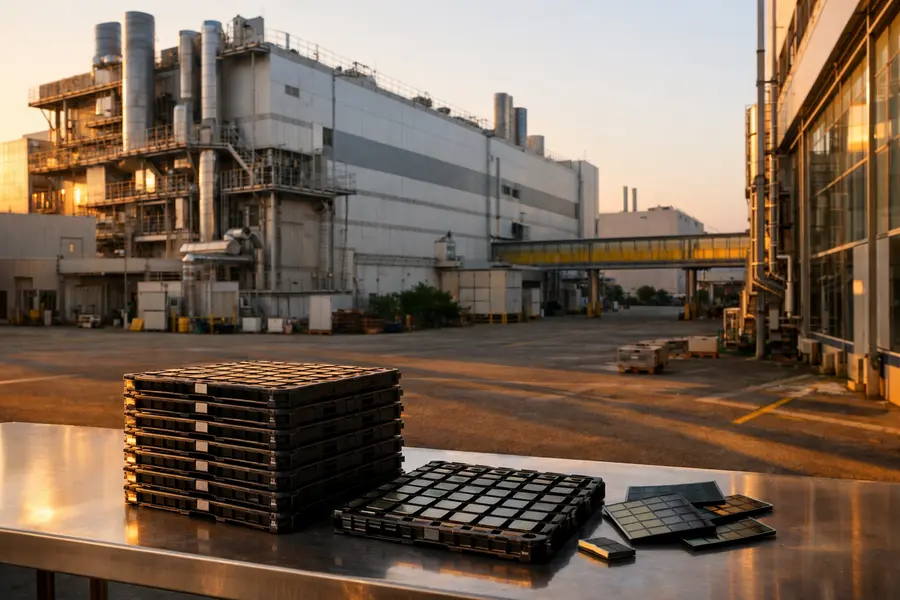
Kioxia shares fell 15.8% after flat ¥2 trillion profit guidance, reviving doubts over AI memory demand, while Micron and SK Hynix stock traded higher.
- Kioxia (285A) closed down 15.8% in Tokyo on Nov. 2, after trading as much as 17% lower.
- October-December operating profit is guided to about ¥2 trillion, against consensus near ¥2.35 trillion.
- Micron, SanDisk and SK Hynix rose, so the selloff stayed largely confined to Kioxia.
Lead
Kioxia Holdings (285A) fell sharply in Tokyo on Monday, Nov. 2, closing 15.8% lower after the NAND flash maker guided to a flat operating profit of about ¥2 trillion ($12.7 billion) for the October-December quarter. The stock touched a six-month low during the session. The forecast fell short of consensus estimates of roughly ¥2.35 trillion. It also revived the question of whether the AI-driven surge in memory demand is plateauing.What Happened to Kioxia Shares?
Kioxia shares dropped as much as 17% on Monday, the stock's steepest fall in three months, and were trading near ¥11,680 when the decline stood at about 13%. The stock closed down 15.8%. The earnings report was released on Friday, so Monday was the first Tokyo session to price it in.
The company reported record revenue for the September quarter, with operating profit of ¥1.99 trillion. For the December quarter it guided to revenue of ¥2.5 trillion, up 0.8%, and operating profit of ¥1.995 trillion, essentially unchanged. Kioxia was the largest drag on the Nikkei 225, which closed 0.33% lower at 63,081.86.
Why Did Kioxia's Guidance Disappoint?
Guidance disappointed because it showed NAND pricing momentum fading sharply. Kioxia's average selling price rose roughly 20% to 25% in the September quarter, down from about 70% the quarter before. The company expects only a low-single-digit percentage increase in the December quarter, with shipments flat.
Kioxia attributed part of the stall to shipment timing, saying some orders were pulled into the prior quarter and others pushed out. It did not describe the slowdown as a drop in end demand. Even so, the shift from price gains of more than 70% to low single digits has changed the earnings trajectory for a stock that had priced in continued acceleration.
Kioxia also has a narrower business than its rivals. It sells only NAND flash, while Samsung Electronics (005930), SK Hynix (000660) and Micron (MU) also sell DRAM, including the high-bandwidth memory used in AI accelerators. That can leave Kioxia with less pricing leverage when NAND supply tightens less quickly.
How Did Other Memory Stocks React?
Other memory stocks did not follow Kioxia lower. SK Hynix closed 3.8% higher in Seoul, and the Kospi gained 2.24%. In U.S. premarket trading, Micron rose more than 2%, SanDisk (SNDK) gained more than 3%, and a DRAM-focused exchange-traded fund advanced more than 4%.
Recent results from peers support that divergence. SK Hynix reported third-quarter revenue of 104.62 trillion won, up 328% from a year earlier, and operating profit of 83.33 trillion won, up 632%. SanDisk's fiscal first-quarter revenue rose 378% to $11.03 billion, and it guided to $12.2 billion-$12.6 billion for the next quarter.
What Does This Mean for Micron Technology Stock and AI Memory Demand?
The Kioxia result does not change the near-term outlook for Micron Technology stock directly, but it sharpens a question investors in AI stocks have been weighing: how long memory pricing can keep rising at the pace seen this year. Micron's exposure to DRAM and high-bandwidth memory gives it a different demand profile from a NAND-only supplier.
The market read Kioxia's guidance as a signal about price growth, not about volumes. Memory earnings have risen on a combination of tight supply and steep price increases. When the pace of price increases slows, profit growth slows even if demand holds. That distinction explains why a 16% drop in Kioxia coincided with gains for several competitors.
Outlook
The next test for the sector is whether NAND contract prices keep rising in the December quarter, and whether Kioxia's shipment-timing explanation holds when it reports again. Micron, SanDisk and the Korean producers have guided to continued growth, which puts the focus on how long the price gains behind it can last. For now, the Nov. 2 selloff reflects a reset of expectations for one NAND-only supplier, not a broad retreat from AI-related memory demand.
Mentioned tickers: 285A, MU, SNDK, 000660, 005930