Pomegra
Trump's Russian diesel sanctions waiver, struck in a deal with Putin, faces bipartisan backlash as the first three tankers head for US East Coast ports.
- Treasury's General License 135 allows Russian diesel imports into the US through April 7, 2027.
- Three tankers carrying about 140,000 tonnes are due on the US East Coast between Nov. 7 and 11.
- Republican and Democratic lawmakers say the waiver undercuts the sanctions law Trump signed on Sept. 18.
Lead
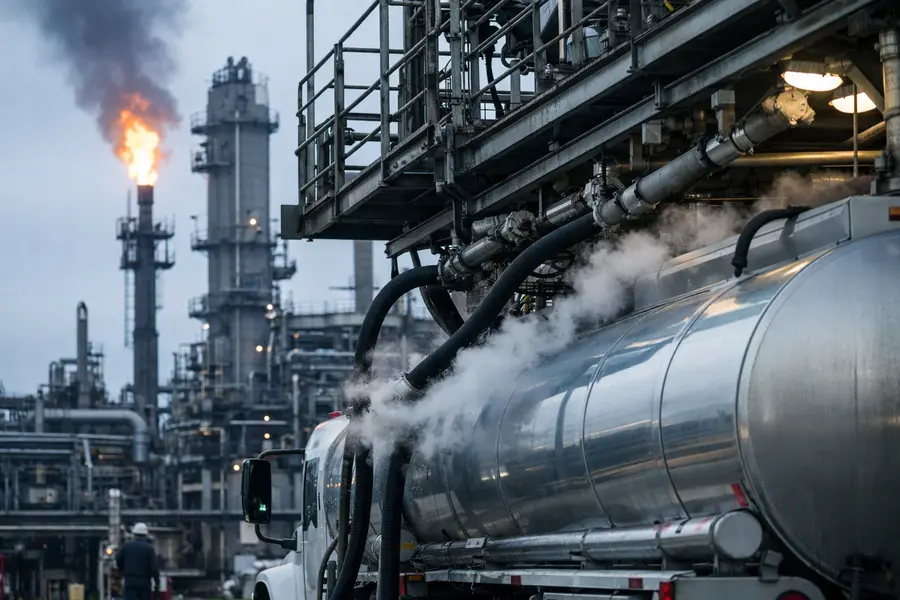
The first cargoes of Russian diesel under President Donald Trump's deal with Vladimir Putin are crossing the Atlantic. Three tankers that left the Baltic port of Primorsk between Oct. 16 and 22 carry roughly 140,000 tonnes of fuel and are due at US ports from Nov. 7. The shipments have intensified a bipartisan backlash over a sanctions waiver that Ukrainian President Volodymyr Zelenskyy called "a gift" to Moscow.
What Is in the Trump-Putin Diesel Deal?
The agreement commits Russia to supply up to 4.8 million tonnes of diesel to the US and global markets in exchange for sanctions relief. The schedule calls for 300,000 tonnes immediately, 500,000 tonnes in November and 1 million tonnes after that. A further 3 million tonnes would follow depending on refinery conditions.
On Oct. 9, the Treasury Department's Office of Foreign Assets Control issued General License 135. It authorizes the sale, delivery, offloading and import of Russian-origin diesel through April 7, 2027.
The deal followed a global distillate squeeze. Ukrainian strikes on Russian refineries forced Moscow to halt diesel exports. Attacks on Middle Eastern refineries during the US-Israeli war on Iran tightened supply further. US diesel averages $6.32 a gallon, against $3.55 a year earlier, a gain of about 78%. The White House is also under pressure from farm states ahead of the November midterm elections.
Why Is the Waiver Drawing Bipartisan Backlash?
The waiver draws fire because it came days before penalties were due to take effect under a law Trump signed a month earlier. The Graham Act, named for the late Senator Lindsey Graham, was signed on Sept. 18 with broad support from both parties. It allows tariffs of up to 100% on countries that keep buying Russian oil and gas or help Moscow evade sanctions. Trump waived the sanctions on Oct. 16.
Republican critics have been blunt. Sen. Thom Tillis called the move "beyond irresponsible" and said Trump was capitulating to a Russian dictator. Sen. John Cornyn said Graham "would be appalled." Rep. Don Bacon said the president is prolonging the war. Democrats, including Sen. Chuck Schumer and Rep. Gregory Meeks, have called the arrangement a deal with the devil and a failure to enforce sanctions.
Trump has defended the waiver as part of peace negotiations. He has said he does not want to drive Russia away. Treasury Secretary Scott Bessent has said the administration is acting within its existing legal authority.
Zelenskyy said "financial rewards for Putin" only encourage further attacks, and that the deal would prolong the war.
Will the First Russian Diesel Tankers Reach US Ports?
The tankers are expected to arrive, but their buyers remain unsettled. The Agioi Fanendes, a Malta-flagged vessel carrying about 298,000 barrels, is bound for New York with an expected arrival between Nov. 7 and 10. The Talisman, sanctioned by both the US and the European Union, is due around Nov. 9. The Leruo, a Sierra Leone-flagged ship owned by a Hong Kong-based company and on British and EU sanctions lists, is due around Nov. 11.
US companies have so far stayed away. The White House has approached firms willing to handle the fuel and made little progress. Energy consultancy Rapidan Energy Group said the cargo drew no interest even in the gray market. A bipartisan group of senators has written to banks, ports and fuel distributors warning of lawsuits, congressional investigations and possible civil and criminal liability. Sen. Richard Blumenthal has urged shipping companies to turn the vessels back. New Jersey Governor Mikie Sherrill called the arrangement "corrupt and illegal."
The physical impact is small. US diesel demand is about 3.8 million barrels a day, so a single cargo covers less than one day of consumption. Energy Aspects has described the effect as likely limited. Bank of America (BAC) has said global distillate markets face acute scarcity of refined products. The Kremlin has confirmed the departures and indicated that regular shipments will follow.
What Comes Next for the Crude Oil Price?
Diesel supply is tied to the broader crude oil price, which remains elevated. Brent fell about 2.5% to roughly $110.60 a barrel on Nov. 2 as investors weighed diplomatic talks over the Iran war. That level is well above where the diesel deal's supporters want fuel costs to settle.
Three factors will shape the next several months:
- Delivery volumes. The 500,000 tonnes due in November and the larger tranches after it will show whether Russian refineries can export at scale.
- Legal exposure. Congressional warnings to banks and ports may keep commercial buyers out, which would limit how much Russian fuel enters US supply chains.
- Sanctions enforcement. Lawmakers who say the arrangement violates the Graham Act could force votes or oversight hearings after the midterms.
Outlook
The waiver pairs a short-term fuel-price goal with a long-term sanctions cost. The first cargoes will test whether the license produces usable supply or only political friction. Tanker arrivals on Nov. 7-11 and the response from banks, ports and distributors will show whether the deal functions in practice.
Mentioned tickers: BAC