Pomegra
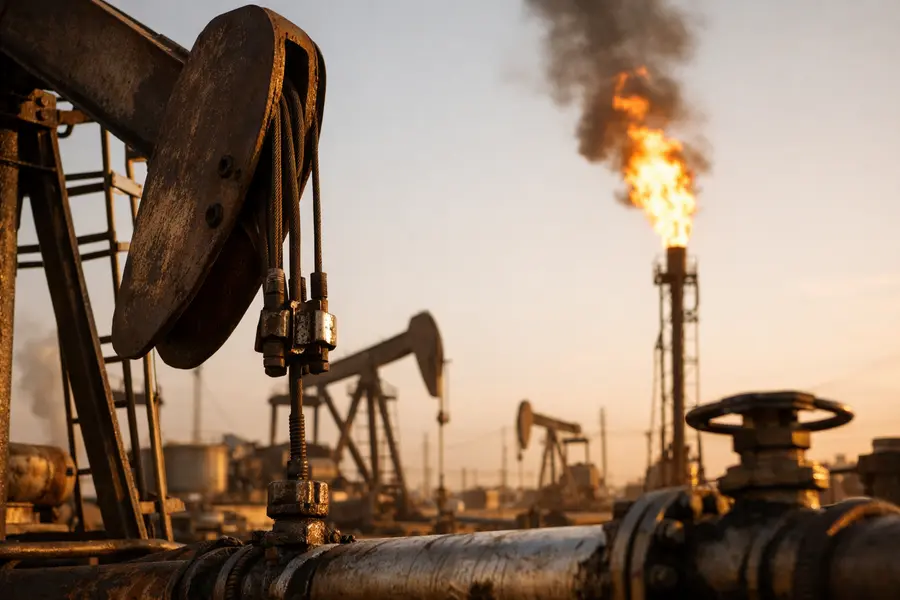
Brent crude oil fell 3% to $109.75 a barrel as Qatar-mediated US-Iran talks advance and Trump urges Israel to hold off on new strikes ahead of the midterms.
- Brent fell $3.68, or 3.2%, to $109.75 a barrel; WTI dropped 3.3% to $100.69.
- Iran and Qatar held a third straight day of talks aimed at ending the eight-month war.
- Trump is urging Israel to hold off on new strikes, but risk of escalation after the Nov. 3 midterms remains.
Lead
The crude oil price dropped more than 3% on Monday, Nov. 2, as Iranian and Qatari officials held a third consecutive day of talks on ending the eight-month war between Iran and the United States and Israel. Brent futures fell $3.68 to $109.75 a barrel. US West Texas Intermediate fell $3.43 to $100.69. Brent had closed October at its highest level in six months, so the move unwound part of last week's rally rather than reversing the broader trend.
What Happened in the Talks?
Iranian and Qatari officials met for a third straight day, with Doha acting as the principal channel between Tehran and Washington. Iranian Foreign Minister Abbas Araqchi described the discussions as "ongoing and progressing" and said Tehran was prepared for "both defence and diplomacy."
Washington signaled a preference for negotiation. Secretary of State Marco Rubio said on Saturday that President Donald Trump favored resolving the conflict through diplomacy, while keeping military action available. Trump has urged Israeli Prime Minister Benjamin Netanyahu to hold off on new strikes and has said he is in no hurry. Netanyahu has pressed for action soon after the US midterm elections on Tuesday.
Why Did Oil Prices Fall?
Oil fell because the talks lowered the odds of an immediate military escalation that would disrupt Gulf supply. A share of last week's rally reflected a geopolitical risk premium, an extra margin built into prices for the chance of lost barrels. That premium can shrink quickly when diplomacy appears to be working.
Energy markets have been focused on three possible actions against Iran: strikes on underground nuclear facilities, strikes on missile sites near the Strait of Hormuz, and broader attacks on energy infrastructure. A diplomatic track makes each of the three less likely in the near term. The pullback also had a technical element after Brent's strong gains the previous week.
Supply Risks Still in Play
The physical market remains tight, which limits how far prices can fall on diplomatic headlines alone. Tanker attacks in the Strait of Hormuz continue to raise shipping and insurance costs. The strait carries roughly a fifth of global oil consumption, so any sustained interruption affects pricing worldwide.
Iran-aligned Houthi forces have also attacked Saudi energy infrastructure. Saudi Arabia nonetheless raised crude exports in October from September, which has softened some of the supply pressure. OPEC+ kept its December production targets unchanged, leaving no new volumes from the group to offset Gulf disruption.
What Comes Next for Oil Prices?
The next move depends on what Washington does after the midterms. The election removes a domestic political constraint on military action. Trump has suggested that airstrikes on Tehran could resume once the vote is over, and prediction markets have raised the probability that the US-Iran ceasefire collapses. The implied odds rose from about 10% before the election to roughly 50% by Nov. 15 and about 75% by year-end.
Two scenarios frame the next three to twelve months:
- Diplomatic progress: A framework agreement brokered in Doha would reduce the risk premium further and pull Brent back toward the $100 area, near where WTI trades now. A deal would also ease shipping costs through Hormuz over time.
- Renewed strikes: A resumption of US or Israeli attacks, particularly on Iranian energy assets or sites near Hormuz, would send prices higher. Some market participants see a move toward $120 in that case, and Goldman's tail scenario goes well beyond that.
The structural issue is that Gulf supply remains below pre-war levels, so the price floor sits well above where Brent traded before the conflict. Even a successful negotiation would leave the market dependent on a recovery in output and on safe passage through Hormuz.
Geopolitical Dimension
Qatar's role as intermediary reflects its position as a Gulf energy exporter with working relations in both Washington and Tehran. Its mediation carries economic weight as well as diplomatic weight, since Qatari liquefied natural gas moves through the same strait as the oil at the center of the dispute. The divide between Trump and Netanyahu on timing is the main variable. Washington wants room for negotiation, while Israel is pressing for action once the election is over.
Outlook
Brent's drop to about $110 reflects a market pricing in the chance of a diplomatic exit from an eight-month war, not a resolution of it. Talks in Doha are continuing, and Trump is holding back Israeli action for now. The Nov. 3 midterms mark the point at which that restraint will be tested. Until a deal is signed or strikes resume, oil is likely to keep trading on headlines about the talks, tanker security in Hormuz, and the stance of the Trump administration after the vote.
Mentioned tickers: GS