Pomegra
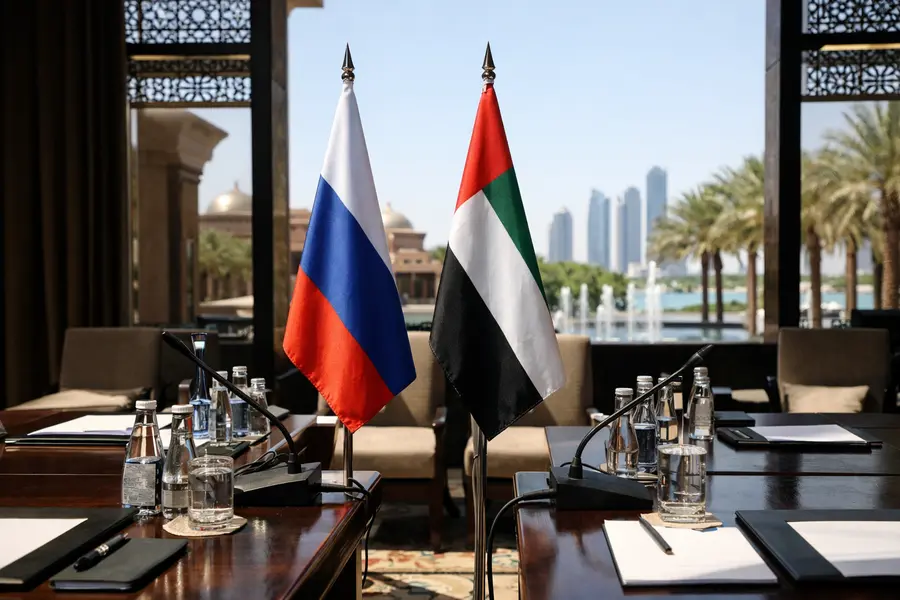
Russia confirmed US-mediated Ukraine talks in Abu Dhabi on Nov. 10-11, and the Kremlin says a Trump-Xi-Putin summit at APEC in Shenzhen is being discussed.
- Russia, Ukraine and the US will meet in Abu Dhabi on Nov. 10-11, the first round since February.
- The Kremlin hopes a Trump-Xi-Putin meeting at APEC in Shenzhen on Nov. 18-19 is finalized within days.
- Brent settled at $103.60 on Nov. 3, a four-week low, as markets priced in diplomatic progress.
Lead
The Kremlin confirmed on Nov. 3 that Russia will take part in trilateral peace talks with Ukraine and the United States in Abu Dhabi on Nov. 10-11. Presidential aide Vladimir Medinsky will lead the Russian delegation. The round revives a negotiating track that stalled after a third round in February, nine months ago, as the war enters its fifth year. Moscow also said preparations are under way for a possible Trump-Xi-Putin meeting on the sidelines of the Asia-Pacific Economic Cooperation summit in Shenzhen on Nov. 18-19.
What Is on the Table in Abu Dhabi?
The Abu Dhabi round is a working-level session focused on post-war security arrangements and de-escalation. US envoy Steve Witkoff said Washington would bring the Ukrainian and Russian delegations together to discuss both. Medinsky also led Russia's team in Istanbul last year and in Geneva earlier this year, and he took part in the failed 2022 talks. Ukraine was previously represented by Rustem Umerov, secretary of the National Security and Defense Council.
Kyiv has said it favors European participation at the table. It has also signaled it will not derail the meeting if Washington insists on a strictly trilateral format. That leaves the question of European involvement in any eventual security guarantees unresolved. The question affects both the durability of a ceasefire and the sanctions architecture that Brussels maintains on Russia.
Is a Trump-Xi-Putin Summit Really Planned?
A three-way summit is under discussion but not confirmed. Kremlin spokesman Dmitry Peskov said Moscow hopes the arrangements "will be finalized in the coming days" and described China, as host, as the main organizing force. Putin and Xi Jinping are expected to hold a bilateral meeting at the Shenzhen APEC gathering regardless.
Beijing has been more guarded. China's Foreign Ministry said only that it is in communication with relevant parties about a meeting between the Chinese and Russian heads of state, with no public reference to a session that includes Trump. President Donald Trump has said he is willing to meet both leaders, with an agenda centered on denuclearization rather than ending the war in Ukraine. The gap in stated agendas suggests a summit would be a signaling event on great-power relations, not a venue for settling Ukraine terms.
How Did Markets React?
Markets reacted modestly and in the direction of de-escalation. Brent crude futures fell $1.17, or 1.1%, to settle at $103.60 a barrel on Nov. 3, the lowest close since Oct. 7. West Texas Intermediate fell 37 cents, or 0.4%, to $96.09, its lowest close since Oct. 14. The crude oil price decline reflected hopes for a negotiated end to the wars in Ukraine and Iran. Qatar said the US and Iran remain committed to mediation and are reviewing proposals to bridge their differences.
Russian assets showed less enthusiasm. The MOEX Russia index fell 0.55% to 2,441.99 points at the close of the main session on Nov. 3. Profit-taking, lower oil prices and uncertainty over the outcome of the talks weighed on sentiment. For an equity market heavily weighted toward energy and banks, softer crude cuts against the prospect of sanctions relief, and the two forces pull in different directions.
Geopolitical Dimension
The diplomatic calendar is crowded. A Russia-Ukraine-US round in Abu Dhabi, a possible leaders' meeting in Shenzhen and parallel US-Iran mediation all fall within roughly two weeks. Each has a direct energy-market channel. A durable Ukraine ceasefire would raise the prospect of easing restrictions on Russian crude and refined products. Washington considered easing sanctions on Russian tankers last month while Middle East supply risks were elevated. A breakdown would restore the risk premium to Black Sea and Baltic export routes.
China's role is structural. As the largest buyer of discounted Russian crude and the host of APEC, Beijing holds leverage over both sides. Its caution about a trilateral format indicates it prefers to be positioned as a broker only once a settlement is within reach. Moscow is understood to expect no substantive Ukraine negotiation in Shenzhen for that reason.
What Comes Next?
The near-term path runs through three points. First, whether the Abu Dhabi round produces any agreed framework on security guarantees or a ceasefire monitoring mechanism. Second, whether Beijing formally accepts a three-way format before Nov. 18. Third, whether Brent holds above $100 given parallel Iran developments, since a move below that level would signal that markets are pricing in material de-escalation.
Over a 3-12 month horizon, the outcome shapes sanctions policy, European defense spending and the pricing of Russian risk. Ukraine's insistence on European participation and the US preference for a narrower format remain the main procedural fault line.
Outlook
Russia has committed to the Nov. 10-11 Abu Dhabi round, the first formal trilateral session since February, while a Trump-Xi-Putin summit in Shenzhen remains a proposal without Chinese confirmation. Oil has priced in cautious optimism, with Brent at a four-week low of $103.60, and the MOEX Russia index is trading with uncertainty. Concrete outputs from Abu Dhabi, and a decision from Beijing on the summit, will determine whether the diplomatic momentum carries into the APEC meeting on Nov. 18-19.
Mentioned tickers: None