 Pomegra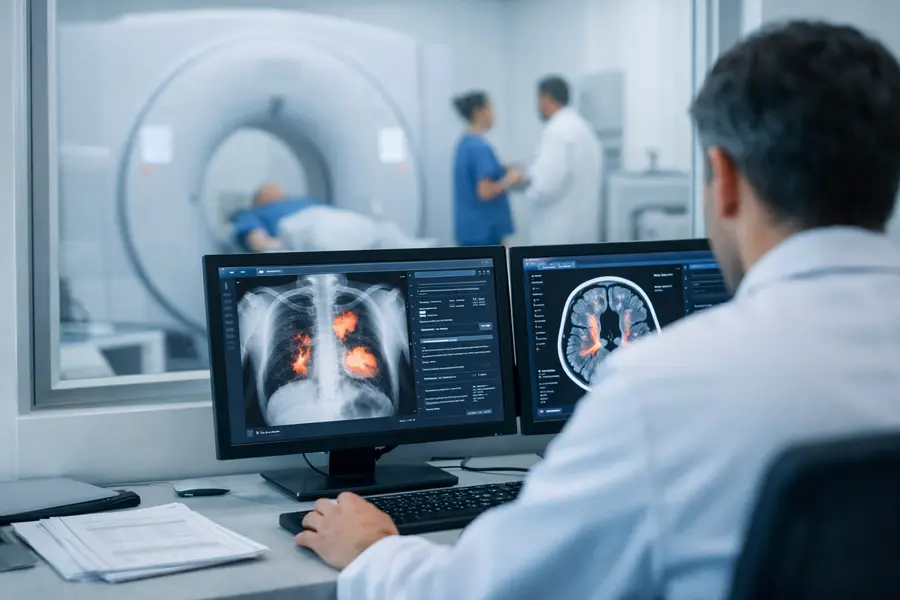
FundingHealthcare
NOTABLE
4 min read
Carebot Raises €1.5M for Czech AI Diagnostics in 2026
Carebot (Czech Republic): Raised a €1.5M Series A for AI diagnostic tools.
Daily Digest
Daily Digest
Pomegra Startups
Deep tech startup news: biotech, robotics, hardware, energy, defence, and security companies - the capital-intensive bets with long horizons and hard science behind them.
Carebot (Czech Republic): Raised a €1.5M Series A for AI diagnostic tools.

Osavul (Luxembourg): Raised €8.5M from 33N Ventures, 42CAP and others for a platform that detects hybrid threats and disinformation before attacks.

ArkeaBio (US): Raised a $15M Series A2 from AgriZeroNZ and Breakthrough Energy Ventures for a livestock vaccine that cuts methane.

Project-S (Germany) — Munich-based space orbital safety and traffic management startup emerged from stealth with a multi-million-euro seed round backed by Uni.Fund and ESA programs.

Refinyx (Sweden) — Critical battery materials recovery startup emerged from stealth after acquiring Northvolt's 134-patent recycling technology portfolio and pilot facility.

Biossil (Canada) — Toronto-based startup that uses AI to repurpose failed drug candidates raised $153M led by OpenAI's Startup Fund, hitting unicorn status.
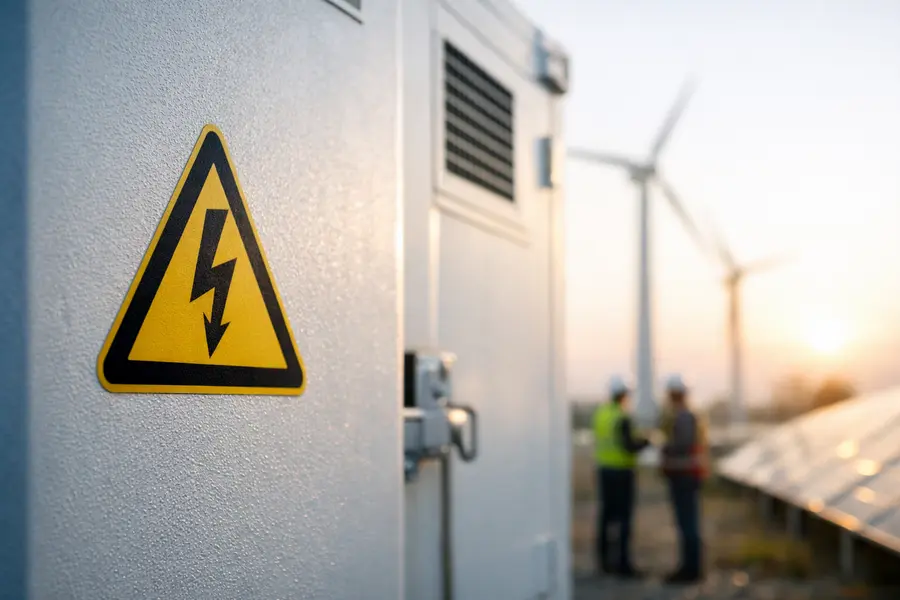
Tavion (Poland) — Raised €45M in combined equity and debt to develop three utility-scale battery park energy storage projects.

Basecamp Research (UK) — AI-based drug discovery startup raised $140M Series C at an $800M valuation, with Anthropic and Nvidia among the backers.
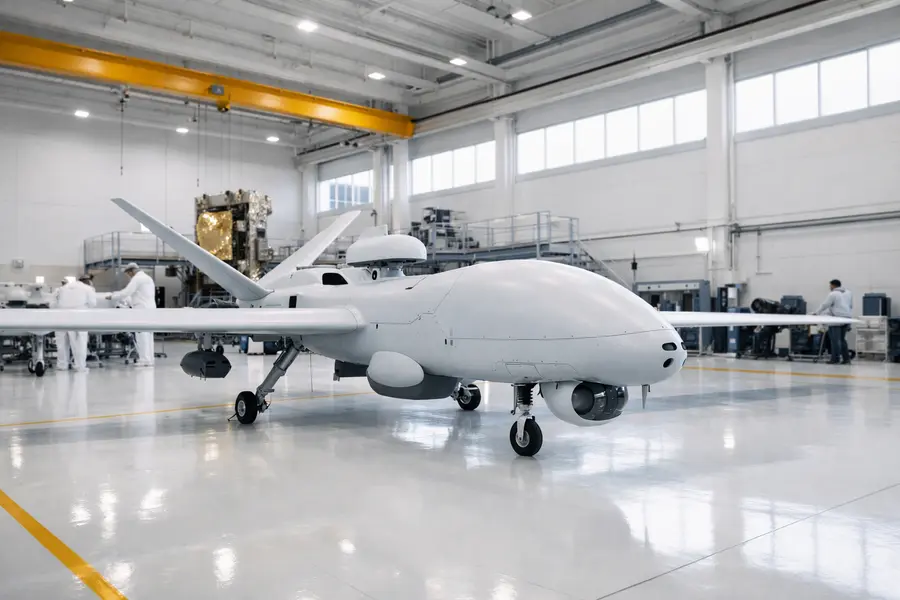
TEKEVER (UK/Portugal) — AI-powered military surveillance drone maker closed a $580M Series D at a $6.4B valuation.
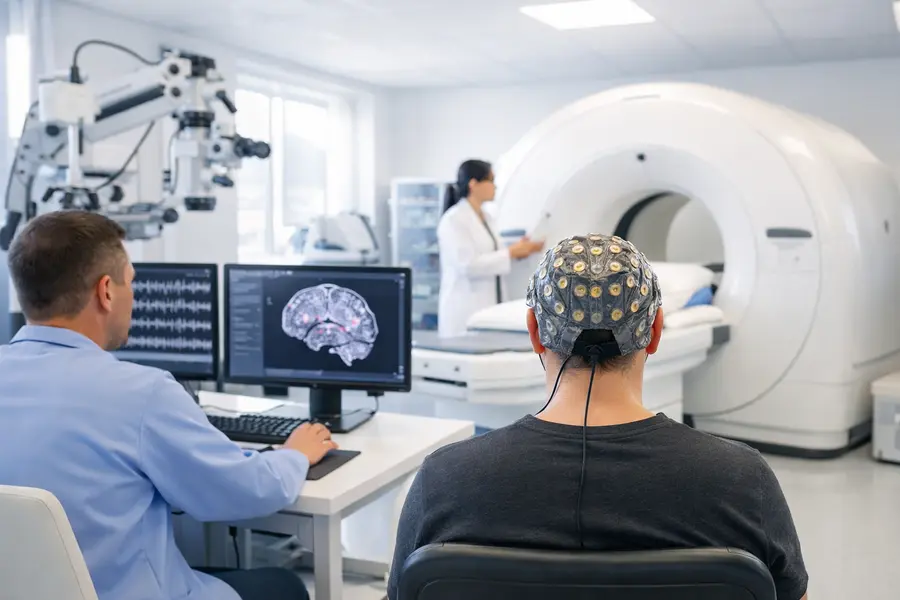
Precision Neuroscience (USA) raised an oversubscribed $250M Series D to advance its brain-computer interface technology platform.

CRACI (Finland) — Helsinki startup raises €1.4M pre-seed led by Lifeline Ventures to automate software supply chain compliance under the EU Cyber Resilience Act.

Anaconda Biomed (Spain) — Barcelona medtech raises $56M late-stage financing led by Omega Funds to complete the pivotal ATHENA trial for its funnel catheter platform targeting acute ischemic stroke.

StandardX (UK) launched from stealth with a £10M seed to build particle-accelerator systems that manufacture multiple types of rare isotopes from a common industrial platform, targeting medical imaging and fusion energy.
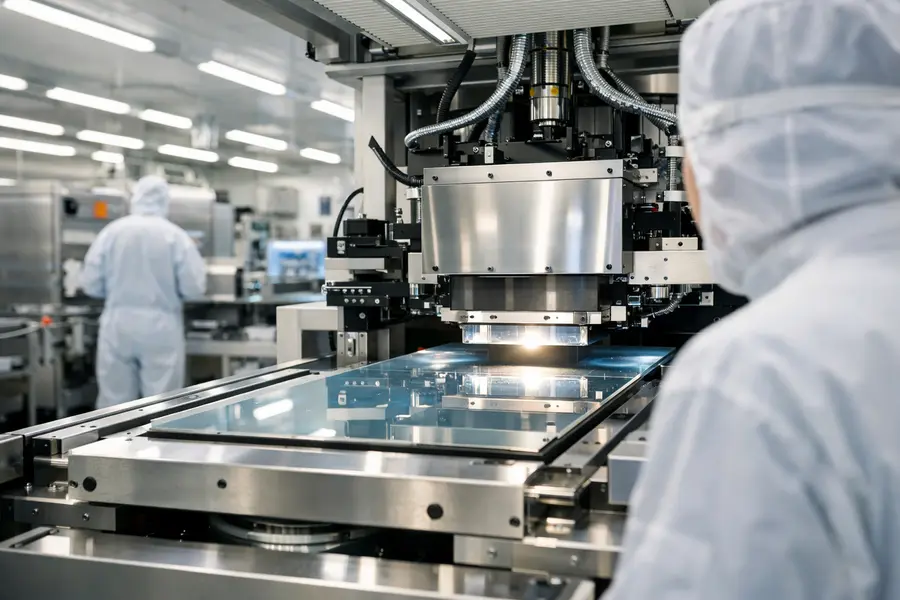
Morphotonics (Netherlands) raised €40M+ Series B to scale its nanoimprint lithography technology for manufacturing AI glasses waveguides and data center optical components.

TEKEVER (Portugal/UK) closed a $580M Series D at a $6.4B valuation, backing the AI drone maker's global defense expansion after its systems proved battle-tested in Ukraine.

Cyera (Israel) raised $400M in a Series G extension from Goldman Sachs, securing the Israeli cybersecurity firm's role as a trust and security layer for AI agents across large enterprises.
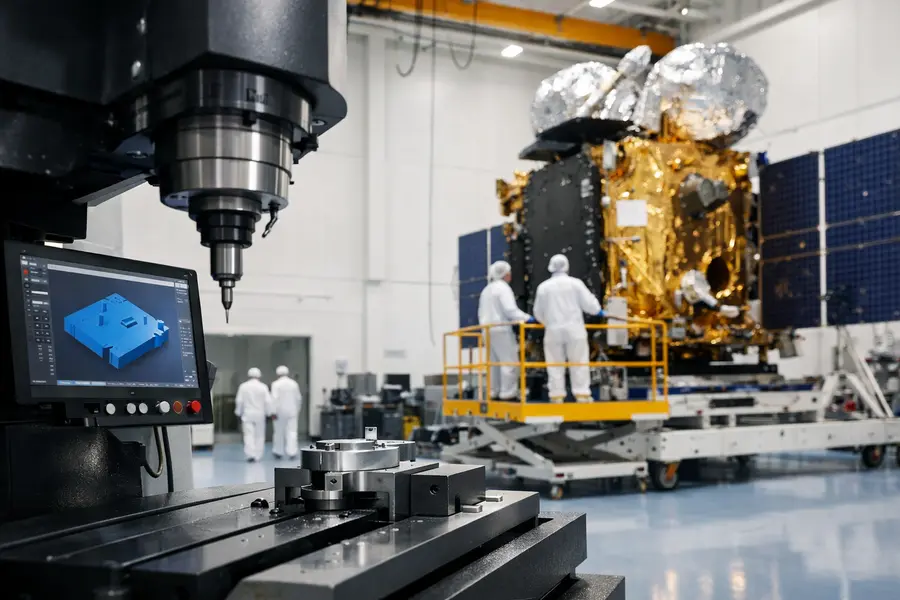
CloudNC (UK) — London manufacturing-AI startup raises €17.2M to scale its AI software for CNC machining shops, now used by over 1,000 shops worldwide.
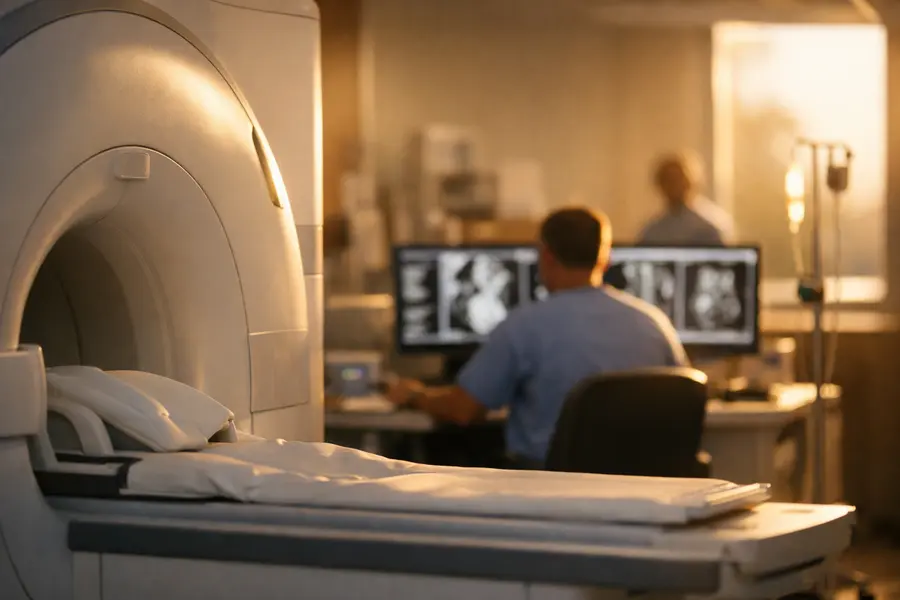
Scan.com (UK) — Medical imaging startup raises $220M ($90M equity + $130M debt) to build the largest diagnostic imaging network in the US.
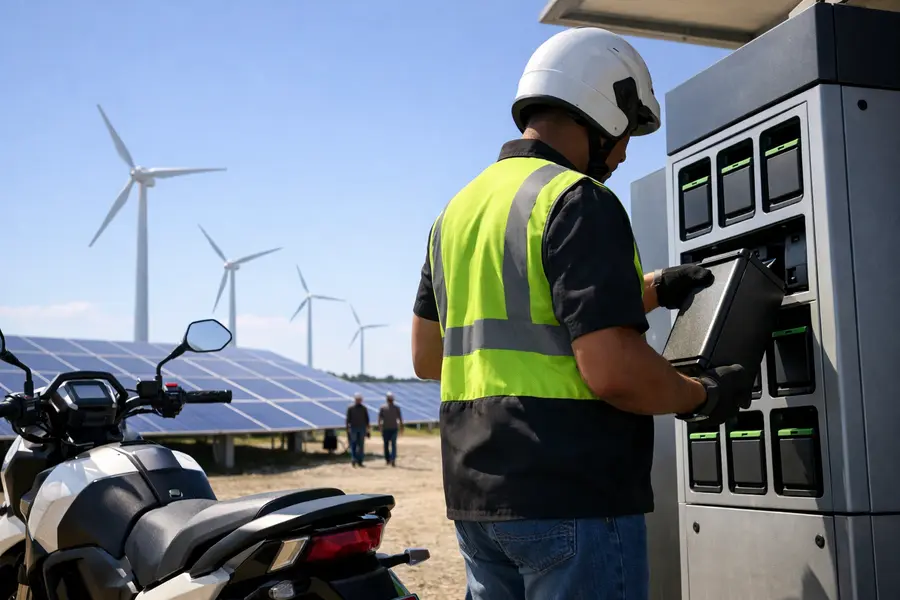
Spiro (Africa) — Received an additional $18M debt tranche from the Africa Go Green Fund to scale EV motorcycle battery-swap infrastructure in Uganda and Rwanda.

Amber Electric (Australia) — Raised A$209M Series E from Morgan Stanley's 1GT and E.ON for its consumer and commercial energy flexibility platform.

Metris Energy (UK) — Raised $5M seed from PT1 Ventures and Octopus Ventures for its AI platform managing solar energy assets.
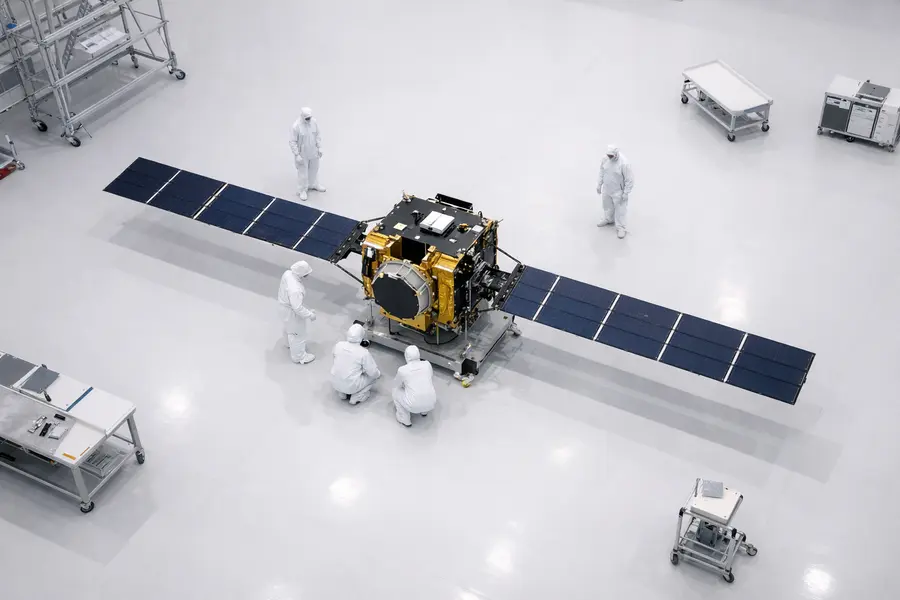
Isometric (UK) — Raised €43M Series A for its platform that verifies and certifies carbon removal in the climate tech space.
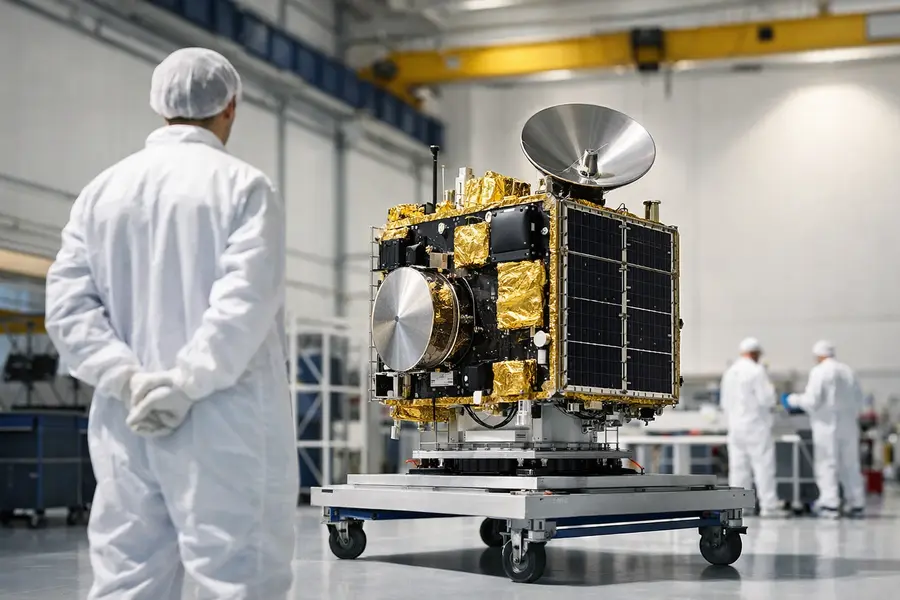
EnduroSat (Bulgaria) — Raised €178M and crossed the unicorn threshold as a satellite and space tech company.
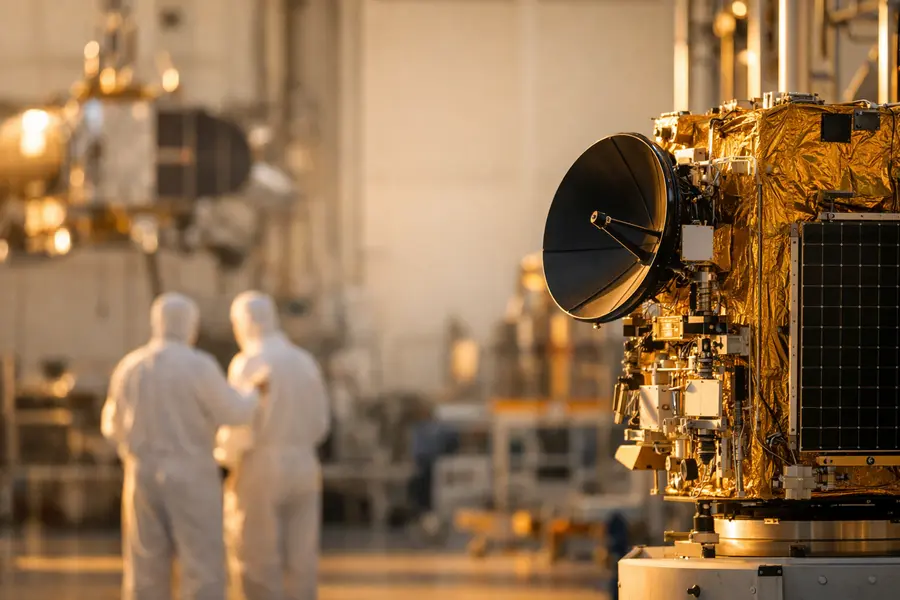
Exein (Italy) — Raised $270M at a $1.7B valuation, becoming a new European cybersecurity unicorn.
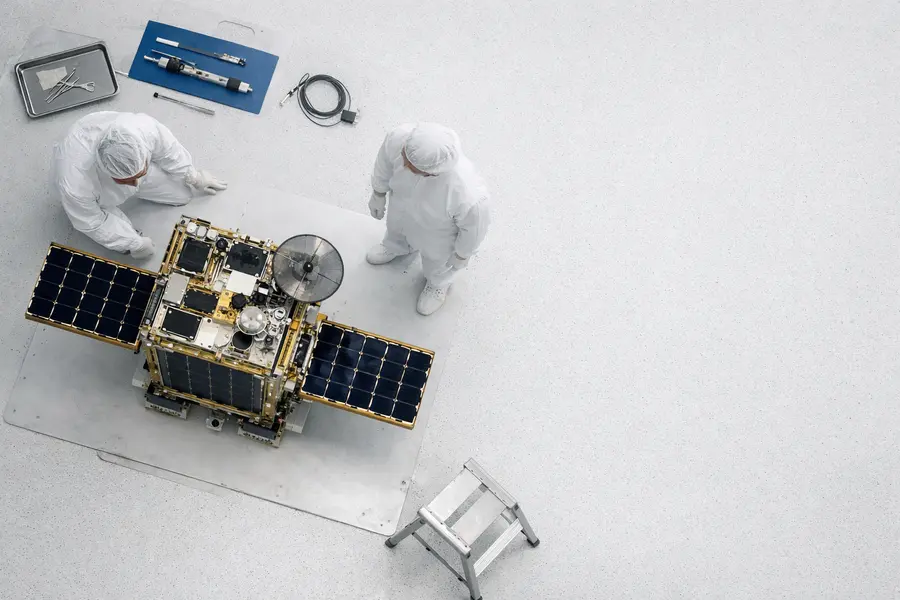
Open Cosmos (Spain/UK) raised €300M in a Series C round, becoming Europe's newest space unicorn at over $1B valuation, focused on satellite manufacturing and real-time space intelligence.

Magnitude Biosciences (UK) — Raises £1.5M to bring VivoScan, its proprietary technology for testing drug candidates in living organisms, to the broader market.

Fortaegis (Netherlands) — Closes $50M Series A, embedding cryptographic keys directly into silicon hardware to eliminate static-key vulnerabilities in semiconductor devices.
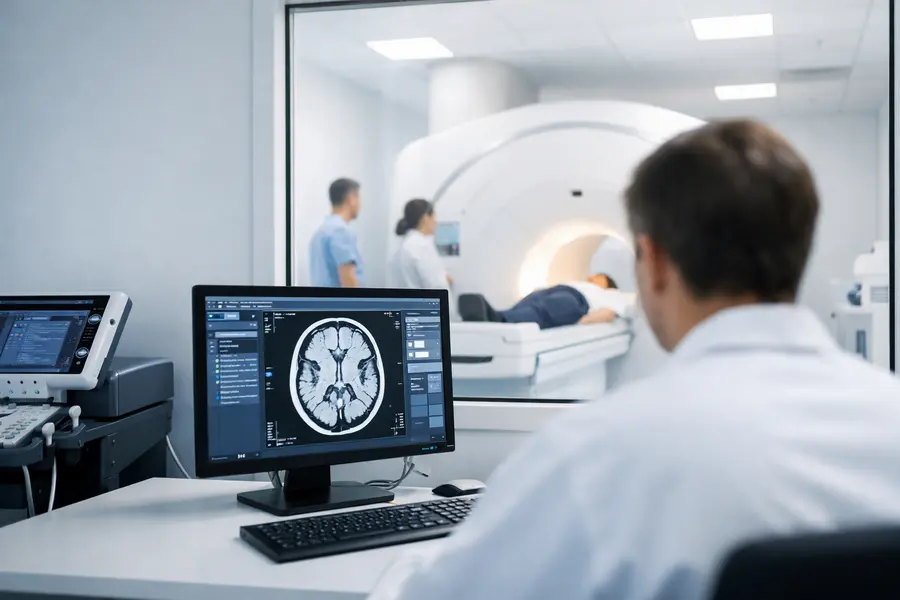
Tandem Health (Sweden) — Raises $100M Series B for its AI clinical OS automating medical documentation and care workflows across European hospitals.
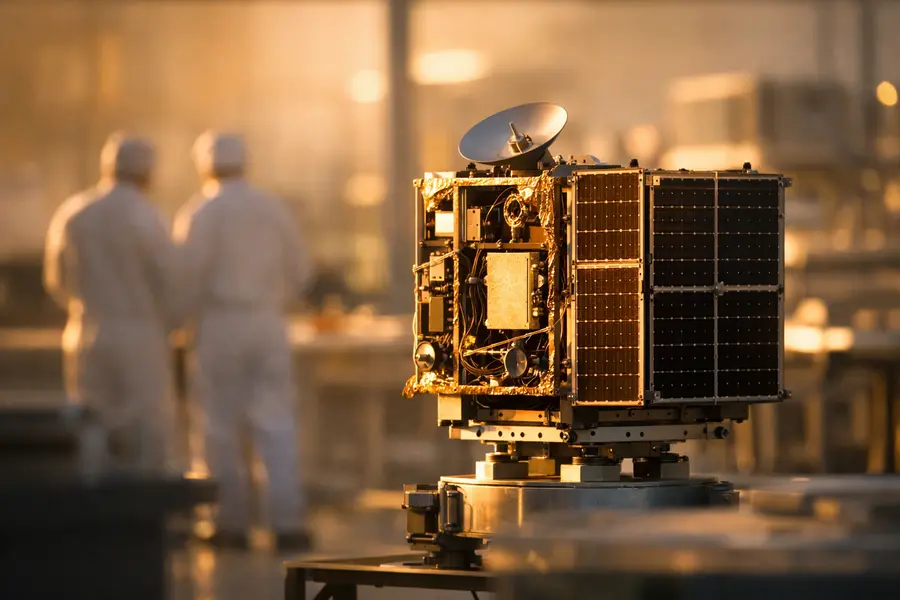
Open Cosmos (UK) — Secures €300M Series C, becoming a space unicorn as it scales satellite manufacturing and its Earth-observation constellation for enterprise and defense clients.
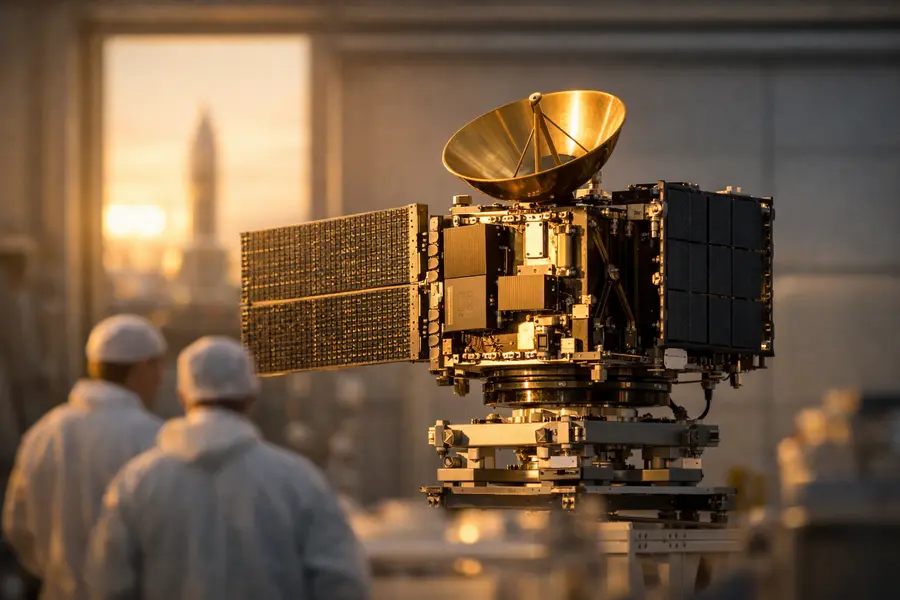
Project-S (Germany) — Munich-based orbital safety startup exits stealth with a multi-million euro seed led by Uni.Fund II to deploy space-based radar and AI for sub-centimeter debris detection in LEO.
Deep tech companies commercialise hard science rather than software alone: a new battery chemistry, a reactor design, a drug candidate, a robot that works outside a lab. What they share is a long, expensive path between the first cheque and the first revenue, because the risk being funded is whether the technology works at all, not whether customers want it. That changes how their rounds read - a large raise can mean a company is years from a product, not close to one.
That profile also makes deep tech the segment where private capital matters most. Public markets rarely fund a decade of pre-revenue research, so the important valuation events happen privately, and the eventual IPO or acquisition prices work that was already done. Coverage here groups biotech, robotics, hardware, energy, defence, and security together because they behave alike as investments, even when the science does not.
Because the risk being funded is technical. Clinical trials, reactor licensing, and hardware manufacturing all have timelines set by physics and regulators rather than by product iteration, so a decade between founding and exit is normal rather than a warning sign.
The failure modes differ. Deep tech can fail outright if the science does not work, but a company that succeeds often has durable advantages that are hard to copy. Software fails less absolutely and is competed away faster. This is educational context, not investment advice.