Pomegra
Cambridge Aerospace, a UK drone and missile interceptor startup founded in 2024, has raised $300M in a DFJ Growth-led Series C at a $3.4B valuation, with Accel, Lux, and Lakestar among the co-investors.
- $300M Series C led by DFJ Growth closes at a $3.4B valuation, more than doubling Cambridge Aerospace's April 2026 Series B mark of $1.3B.
- Skyhammer, its primary interceptor, reports a 70% effectiveness rate in testing and operational use against Shahed-type attack drones.
- Proceeds will fund Europe's largest solid rocket motor factory in Norfolk, backing production of both Skyhammer and the forthcoming Starhammer.
Lead
Cambridge Aerospace, the Cambridge-based air defense startup, closed a $300 million Series C on August 10, 2026, at a $3.4 billion valuation - a figure that places it among the most highly valued defense technology companies in Europe despite being less than two years old. DFJ Growth led the round, with Accel, Lux Capital, Lakestar, Never Lift, Ora Global, and investor Elad Gil participating. The company says the capital will build out Europe's largest solid rocket motor factory in Norfolk and accelerate the development of its second product, the Starhammer interceptor missile.
What Does Cambridge Aerospace Actually Make?
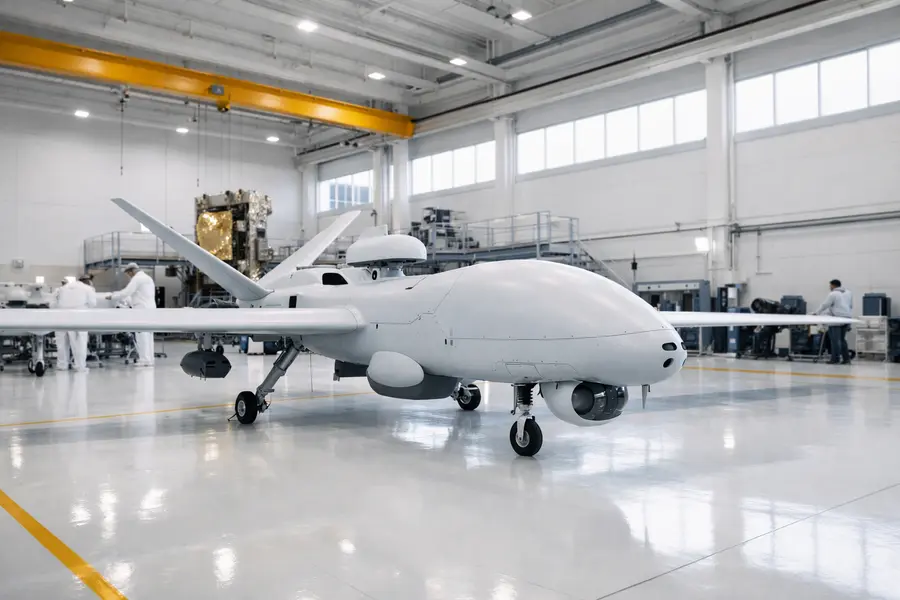
The company's commercial product is Skyhammer, a low-cost modular interceptor designed to destroy Shahed-type one-way attack drones. At roughly 18 kg and under one metre in length, it carries a 1.3-metre wingspan, reaches speeds of 700 km/h, and covers a range of up to 30 km. The interceptor entered operational deployment with UK Armed Forces and Gulf partners in April 2026, and Cambridge Aerospace's CCO, a former Anduril executive, cited a 70% effectiveness rate across testing and live engagements at Eurosatory 2026 in Paris.
The second product, Starhammer, targets a harder class of threats. It is a tube-launched, Mach-2 rocket-powered interceptor fitted with a radar seeker, designed to destroy cruise missiles and, potentially, ballistic threats. With a 20 km range and a 10 km altitude envelope, it is scheduled to reach market in 2027. The company also develops Looking Glass, a radar system tied to the interceptor suite. Together, the three products form an end-to-end layered air defense architecture - a structure that explains investor appetite, and the valuation.
Why Is a Two-Year-Old Defense Company Worth $3.4 Billion?
The valuation reflects both product traction and timing. Russia's drone campaign against Ukraine, and the spread of Shahed-style attack drones to other conflict zones, has created an urgent procurement gap in low-cost interceptors that legacy defense contractors have been slow to fill. Cambridge Aerospace moved from concept to UK Armed Forces contract in roughly 14 months, a pace that traditional prime contractors rarely match.
The Series C comes four months after a $200 million Series B at a $1.3 billion valuation in April 2026, meaning the company more than doubled its valuation in a single quarter. That compression reflects both delivery milestones and the competitive pressure among defense-focused venture funds to secure stakes in credible European hardtech companies before they reach public markets or attract strategic acquirers.
The investor syndicate is notable on its own terms. DFJ Growth previously backed Anduril Industries, the US defense AI company, and Accel has deepened its defense technology commitments across Europe since 2024. Their joint involvement signals that this round is positioning Cambridge Aerospace as a potential platform company, not just a single-product bet.
Manufacturing Capacity as the Real Constraint
Raising capital on strong unit economics is one milestone. Building enough product to meet military demand is the harder problem. Cambridge Aerospace employs more than 250 people, two-thirds of them in technical and engineering roles, and maintains operations in Germany, Poland, Norway, Ukraine, and Australia alongside its UK base. The Norfolk factory, which the Series C will finance, is the critical bottleneck unlock. Solid rocket motors are specialty components with few production facilities in Europe, and domestic capacity is a prerequisite for sustained government contracts.
The factory is also a geopolitical signal. European NATO members have accelerated spending on air defense since Russia's full-scale invasion of Ukraine, and a domestically sourced interceptor reduces supply chain exposure to US export controls and foreign government approvals. That sovereign production argument resonates with procurement officers and, increasingly, with institutional investors.
What Comes Next for Cambridge Aerospace?
Starhammer qualification trials are the near-term catalyst. A successful test campaign in 2026 would open a second revenue line and a substantially larger addressable market - cruise missile defense contracts are larger and longer-duration than counter-drone work. The company is also expected to pursue formal NATO qualification for both products, a process that typically takes 18 to 36 months and is a prerequisite for certain member-state procurement frameworks.
A public listing is not imminent; the company has not signaled a timeline. But the $3.4 billion valuation, DFJ and Accel on the cap table, and the scale of the manufacturing commitment suggest the company is being structured for an eventual exit of significant size, whether through IPO or strategic acquisition.
Outlook
Cambridge Aerospace has compressed a decade of traditional defense program development into under two years, with genuine operational deployments and a valuation that reflects both. The Series C de-risks the manufacturing constraint that most hardware startups stumble on. Whether Starhammer delivers on schedule in 2027 is the test: it will determine whether the company is a one-product interceptor shop or the layered air defense platform that its investors are pricing.