Pomegra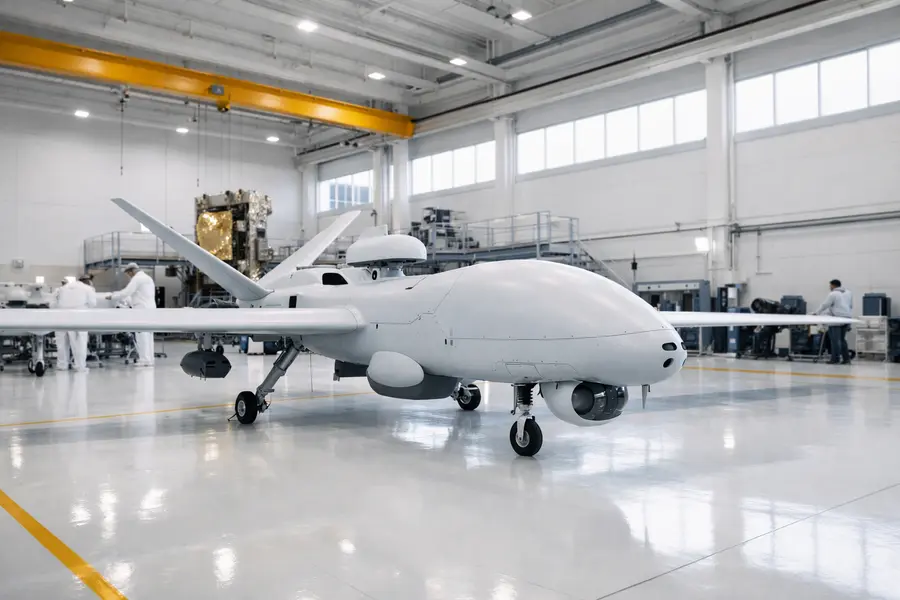
TEKEVER raises $580M at a $6.4B valuation co-led by UC Investments and Baillie Gifford, as its AI surveillance drones surpass 50,000 combat hours over Ukraine.
- TEKEVER closed the first tranche of a $580M Series D on September 23, 2026, valuing the company at $6.4 billion - roughly 5x its valuation from 16 months prior.
- UC Investments, the University of California's investment arm, co-led alongside Baillie Gifford in what marks UC Investments' first direct investment in a European company.
- The raise follows a £400M, 10-year UK Ministry of Defence contract awarded in August 2026 to replace the British Army's aging Watchkeeper surveillance system.
Lead
TEKEVER, the British-Portuguese maker of AI-powered surveillance drones, closed the first tranche of a $580 million Series D on September 23, valuing the company at $6.4 billion. UC Investments - the University of California system's investment arm - co-led the round alongside Edinburgh-based Baillie Gifford. Merlyn Advisors joined as a new strategic investor; existing backers Crescent Cove, Ventura Capital, and Iberis Capital all continued. The round remains open, with additional closes expected in the months ahead.
What Does TEKEVER Actually Build?
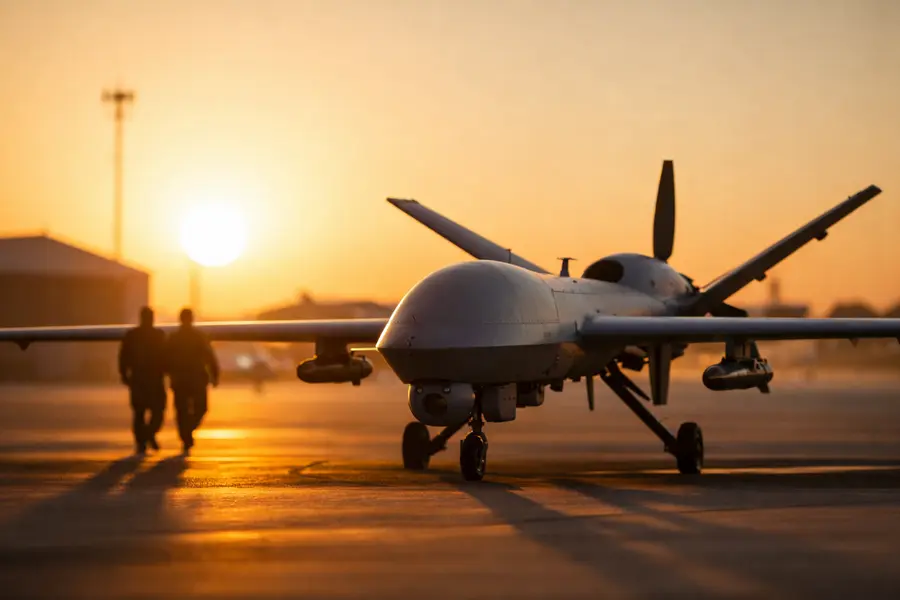
TEKEVER makes fixed-wing ISR (intelligence, surveillance, and reconnaissance) drones under its AR series platform, designed for persistent wide-area surveillance in contested environments. Its flagship AR5 has logged more than 50,000 operational flight hours over Ukraine since Russia's full-scale invasion began in 2022 - a combat record that most Western defense tech companies cannot claim. The company spans the UK and Portugal, with a manufacturing facility opened in Swindon, where drones destined for the British Army will be produced.
The Swindon facility positions TEKEVER inside NATO's industrial base at a moment when alliance governments are under pressure to source hardware domestically. That geography matters as much as the product.
Why Did the Valuation Jump Five Times in 16 Months?
The leap from $1.32 billion to $6.4 billion was not organic - it was anchored by a contract. In August 2026, the UK Ministry of Defence selected TEKEVER to deliver CORVUS, the British Army's new battlefield surveillance capability, under a program worth up to £400 million over ten years. The first order covers six AR5 aircraft, with up to 24 expected by 2029. That single award converted TEKEVER from a defense tech startup with a credible war record into a contracted supplier with a decade of government revenue visibility.
Investors appear to have priced in more than CORVUS alone. European defense budgets have expanded sharply since 2022, and NATO allies are accelerating procurement cycles for autonomous surveillance platforms. TEKEVER's combination of an operational track record, a sovereign manufacturing footprint, and now a nine-figure balance sheet puts it in a category that few European rivals currently occupy.
Strategic Context
The round's lead investors signal something beyond routine growth equity. UC Investments managing a direct stake in a European defense hardware company is unusual; U.S. university endowments have historically limited direct European exposure to software. The firm's entry suggests that institutional capital is increasingly treating European defense tech as a mainstream asset class rather than a niche bet.
TEKEVER has stated it will deploy the Series D proceeds toward international expansion, scaling industrial capacity, and pursuing acquisitions. No targets have been disclosed. The acquisition mandate carries weight: with $580 million raised and additional closes still open, the company has the firepower to consolidate smaller European ISR players or lock up supply chain relationships ahead of anticipated NATO procurement cycles.
What Comes Next for European Defense Tech?
TEKEVER's round is the largest for a European drone startup to date and will draw direct comparisons to the revaluation arcs of U.S. firms such as Shield AI and Anduril, both of which accelerated sharply once government contracts materialized at scale. For European competitors, the landscape shifts when one player can afford to acquire rather than merely compete.
The structural tailwind is real. European governments have committed to sustained defense spending increases, and the political will to source from domestic or allied suppliers - rather than rely on U.S. prime contractors - is stronger than at any point in the post-Cold War era. TEKEVER's timing, its Ukraine credibility, and its British Army contract put it in a strong position to capture a disproportionate share of that cycle.
Outlook
TEKEVER enters Q4 2026 as Europe's highest-valued drone startup, with a contracted revenue base, an open acquisition mandate, and a manufacturing footprint capable of scaling. The immediate test is production: whether the Swindon facility can hit the delivery cadence the British Army expects for the 24 AR5 aircraft due by 2029. Additional Series D closes could push the total beyond $580 million, depending on how quickly the company moves on M&A. The valuation math already implies it will need to show revenue growth commensurate with a $6.4 billion number - and the clock is running.