Pomegra
Covenant raises $250M across three rounds at a $1B+ valuation and unveils Anthem, a long-range heavy-payload cruise missile built to close Western precision-strike gaps.
- Covenant raised $250M backed by a16z, Founders Fund, Aleph, Lux, 8VC, and Lightspeed, valuing the firm above $1B after just two years.
- Anthem carries a 440-lb payload, logs 200+ test flights, and targets a mid-six-figure unit price at full-rate production.
- A 105,000-sq-ft Dallas factory aims to produce 1,000 missiles in year one, scaling to 5,000 annually; an international customer receives deliveries by year-end 2026.
Lead
Covenant, a defense startup founded in 2024 and operating across the U.S., Germany, and Israel, came out of stealth on September 9, 2026, disclosing $250 million raised across three financing rounds and announcing its first product: Anthem, a ground-launched cruise missile the company describes as a long-range, heavy-payload system designed for serial production at scale. The latest round values the two-year-old company at more than $1 billion. Backers include Andreessen Horowitz, Founders Fund, Aleph, Lux Capital, 8VC, Lightspeed, and Altimeter Capital. The company has already booked approximately $150 million in orders.
What Is Anthem and What Does It Displace?
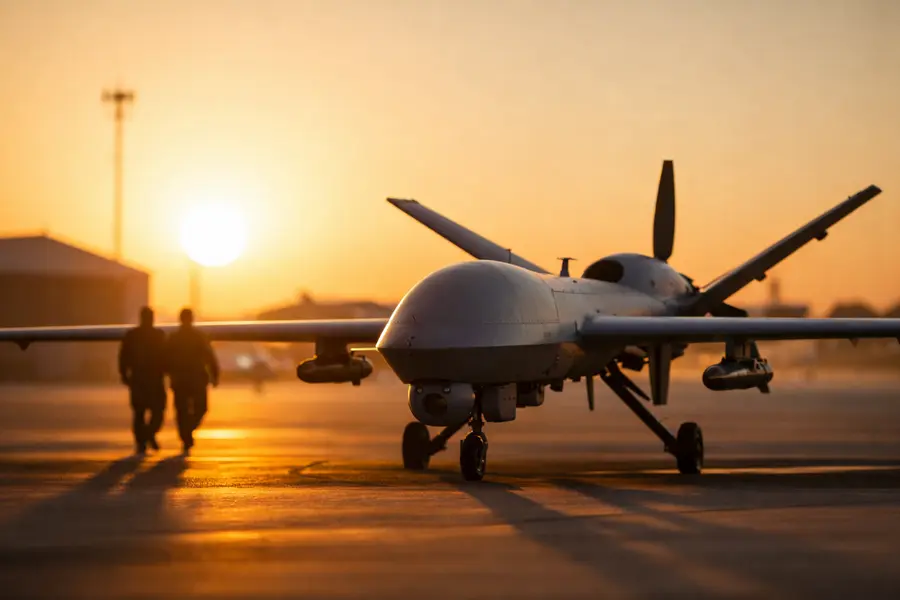
Anthem is a ground-launched cruise missile powered by a solid rocket motor for takeoff and a heavy-fuel jet engine for the cruise phase. It carries a payload exceeding 200 kilograms - 440 pounds - at a range Covenant has not officially disclosed but which independent estimates put near 750 miles. The company logged more than 200 test flights in the 12 months before going public.
The system is designed to undercut the cost of comparable legacy munitions by a wide margin, targeting a mid-six-figure price per unit at full-rate production. For context, Raytheon's Tomahawk Block V has been reported at well above $1 million per missile. If Covenant holds its pricing, Anthem would represent a sharp departure from the cost structure that has characterized Western long-range precision strike for decades.
Why Did This Attract $250 Million Before Shipping a Single Production Unit?
The answer sits in the gap between Western stockpile requirements and actual inventory. The war in Ukraine exposed how quickly precision-guided munitions are consumed in high-intensity conflict, and the U.S. industrial base has been slow to respond. Defense ministries in Europe and the Indo-Pacific have spent much of the last two years actively shopping for alternatives to systems that are too expensive to buy in the quantities modern warfare demands.
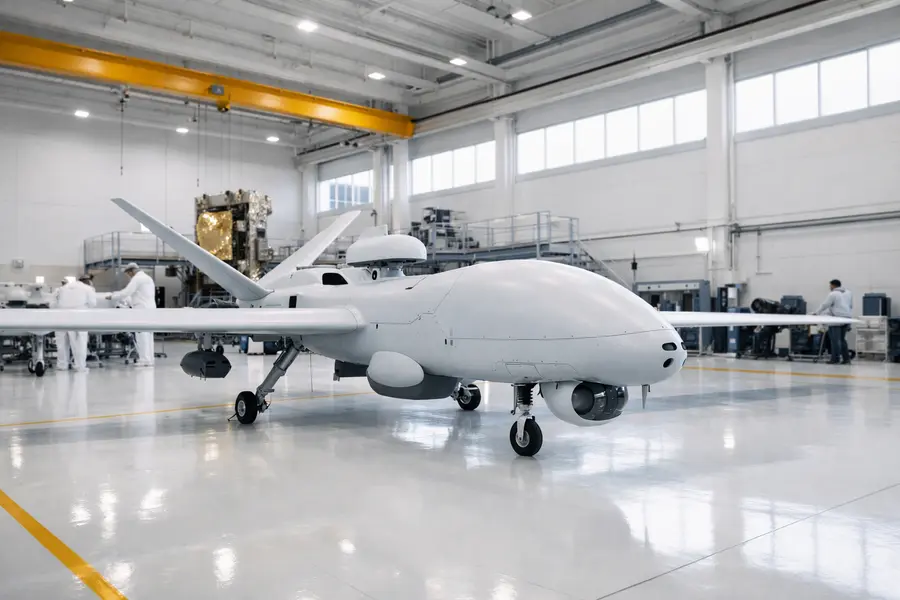
Covenant's pitch is manufacturing speed and unit economics, not technological novelty. The company's Dallas plant - 105,000 square feet, capable of 5,000 Anthems annually at full rate - opened alongside the stealth exit. A parallel German facility matches that capacity. A third production line in Israel adds another 2,000 units per year. The combined footprint is designed to supply both U.S. and allied customers without a single point of failure.
Michael Kaufman, a former Thiel Capital investor, founded Covenant in 2024 and has assembled a team of more than 200 employees. Former U.S. Deputy Secretary of Defense Kathleen Hicks serves in an advisory role, a signal that the company intends to pursue formal U.S. military acquisition channels, not just allied sales.
The Investor Calculus
Andreessen Horowitz, Founders Fund, and Aleph - the Israeli venture firm - led the successive rounds. That investor mix is notable. Aleph's involvement signals early Israeli market access and local credibility; Founders Fund's participation follows Peter Thiel's consistent thesis that defense technology is underinvested relative to geopolitical risk; a16z has been building its American Dynamism portfolio for several years and sees Covenant as a core holding.
What the round also implies is that prior investors accepted a step-up to unicorn territory on the back of 200 test flights, $150 million in orders, and no delivered production units. That is a substantial bet on execution, and the Dallas factory opening is the first hard test of whether Covenant's manufacturing claims hold under real production conditions.
What Comes Next for Covenant?
Serial production at Dallas begins in Q1 2027, with U.S. Army deliveries targeted that year. An unnamed international customer is set to receive German-built Anthems before the end of 2026, making that delivery the company's first real proof point. Any slip there will attract attention from investors and potential government customers alike.
The broader defense tech space is watching how Covenant navigates the transition from funded prototype to contracted manufacturer. Several peers - Anduril, Shield AI, Joby in adjacent sectors - have raised at comparable or higher valuations and are now facing the same pressure: closing the gap between investor narrative and delivered hardware.
Outlook
Covenant's stealth exit is well-timed against a procurement environment actively seeking alternatives to expensive legacy munitions. The $250 million raised and $1 billion-plus valuation reflect genuine demand signals rather than pure venture optimism - $150 million in orders before a public announcement is a credible base. The real test comes in the next 12 months: whether the Dallas and German factories hit their targets, and whether the Anthem's undisclosed range and payload hold up in customer acceptance testing. If they do, the company's next conversation with investors will look very different.