 Pomegra
FundingHealthcare
NOTABLE
4 min read
Carebot Raises €1.5M for Czech AI Diagnostics in 2026
Carebot (Czech Republic): Raised a €1.5M Series A for AI diagnostic tools.
Daily Digest
Daily Digest
Pomegra Startups
Startup funding news: seed and Series A-E rounds, who led them, what valuation they set, and what each raise says about where venture money is going.
Carebot (Czech Republic): Raised a €1.5M Series A for AI diagnostic tools.

Satlyt (US): Raised an $8M seed from Non Sibi Ventures for an orbital AI cloud that runs on satellites.

Halluminate (US): Raised a $30M Series A led by Oak HC/FT to build AI training environments for private equity.

Instinct (US): The personal AI agent startup raised a $1B Series C at a $10B valuation, led by Sequoia, Benchmark and Coatue. Its $250M Series B came only a month earlier.

R2Crete (Australia): Raised A$750K pre-seed from Melbourne University's Genesis fund and Uniseed to turn waste concrete into a cement replacement. I found only 14 new stories that fit. I left out Miter's $40M Series B because it was announced Sept 30. I also left out an Israeli startup called enso, which I couldn't date to the last two days. The search results listed it as a $15M Series A led by MoreTech Ventures.
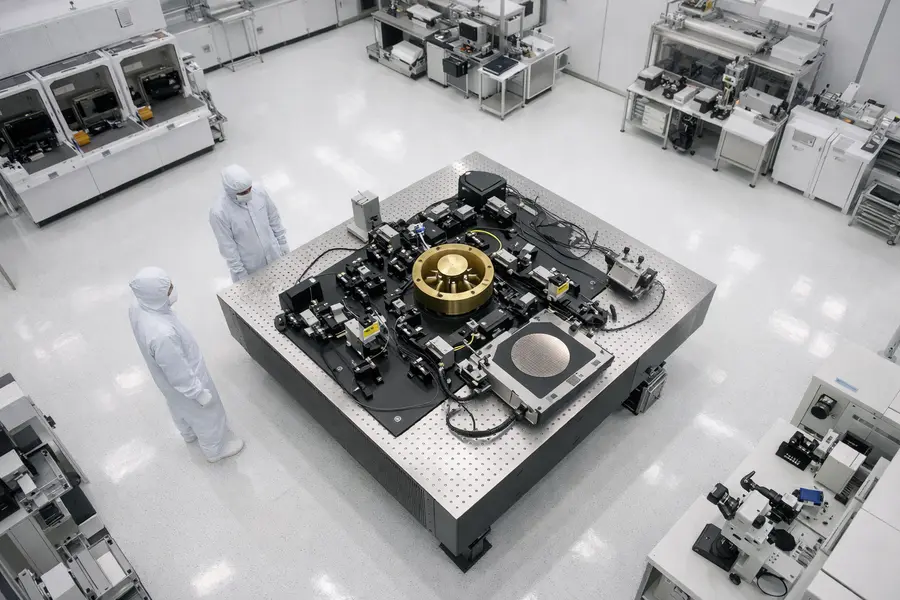
OSCP (Canada): Raised an undisclosed round from New Science Ventures and others for photonic gyroscopes for navigation without GPS.

1club (Bulgaria): Raised €2.2M from LAUNCHub and BrightCap for gym and sports-club management software with a consumer marketplace.

Photon (US): Raised $4.5M for AI agents that work inside iMessage and WhatsApp.
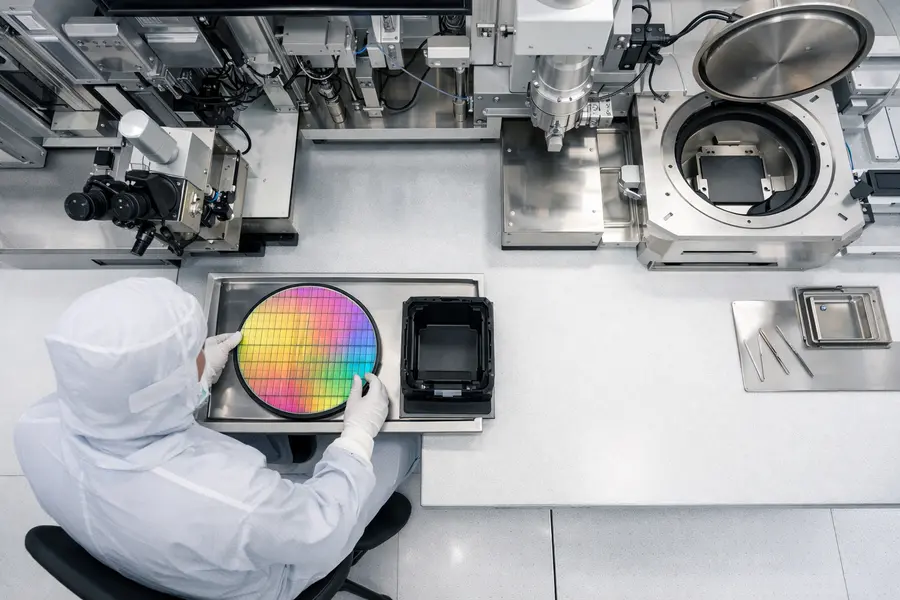
Deepslate (Germany): Raised €7.7M from 42CAP and others for a European speech-to-speech AI model that can be deployed on-premises.

Osavul (Luxembourg): Raised €8.5M from 33N Ventures, 42CAP and others for a platform that detects hybrid threats and disinformation before attacks.
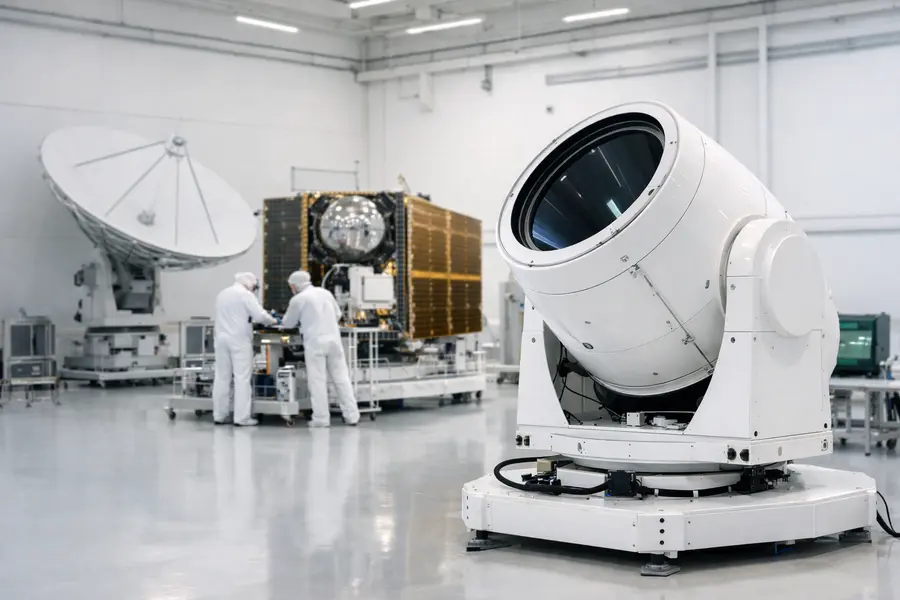
Foundational (UK): Emerged from stealth with an £8.2M pre-seed, backed by Inflection and Final Frontier, to build a satellite laser ranging network.

FRANK (Portugal): The startup raised €2.9M, with Armilar participating, to automate paperwork for insurance brokers.
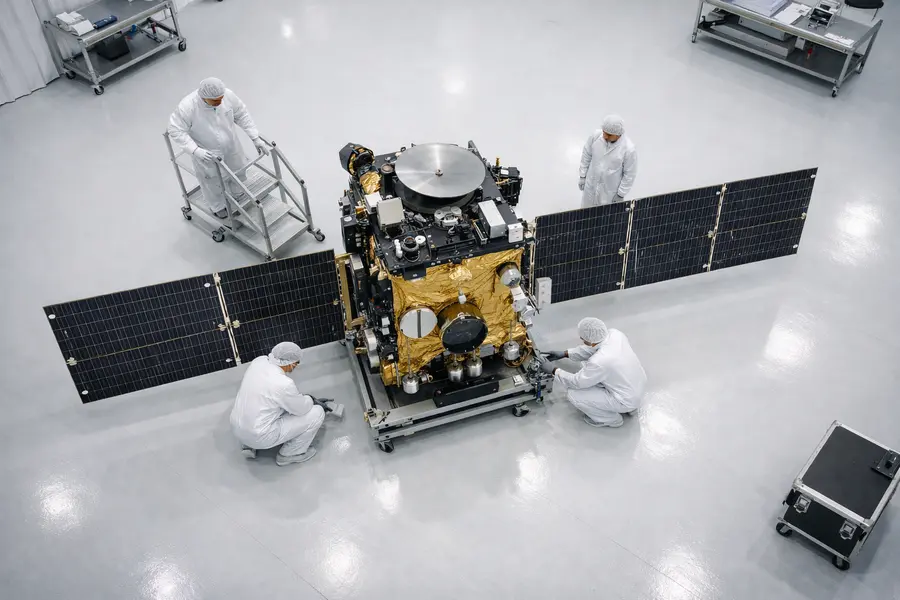
Charter Space (US): The space insurance startup raised a $5M seed to expand coverage for commercial space.

EliseAI (US): The AI housing-automation startup hit a $4B valuation in a round led by a16z and Bessemer.

ElevenLabs (UK): The AI voice startup's valuation doubled to $22B after a $300M employee tender offer.

Zenithon (UK): Raised $10M for AI world models that simulate extreme physics in fusion reactors, rockets and chip manufacturing.

Atomic (US): Boston startup raised a $12.5M Series A led by Klass Capital and Madrona to automate supply-chain planning with AI.

ArkeaBio (US): Raised a $15M Series A2 from AgriZeroNZ and Breakthrough Energy Ventures for a livestock vaccine that cuts methane.

OuterSignal (US): New York startup raised a $22M Series A led by Long Journey Ventures and Abstract for customer intelligence for consumer brands.
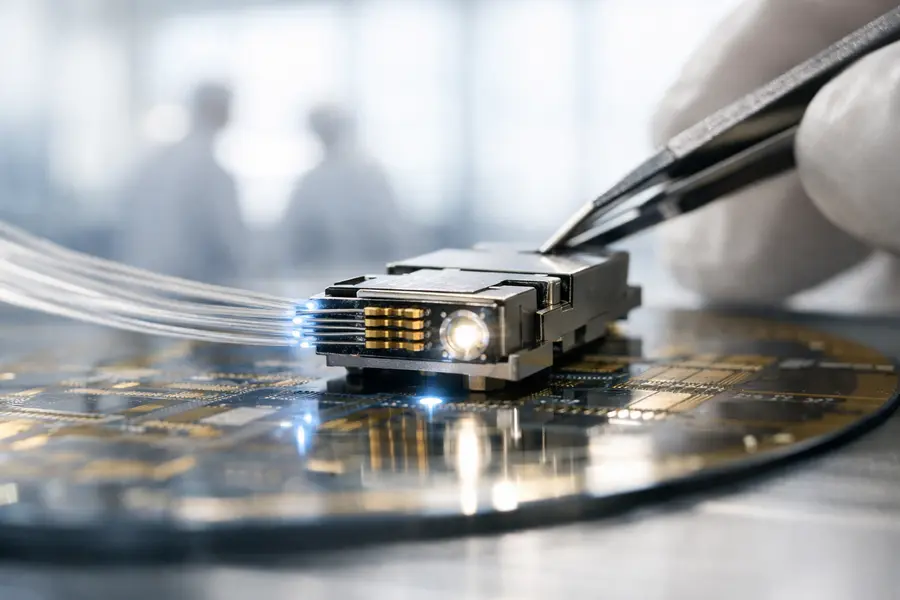
CScale (US): Palo Alto startup emerged from stealth with a $145M Series C, backed by Nvidia and Intel Capital, for optical interconnects in AI data centers.
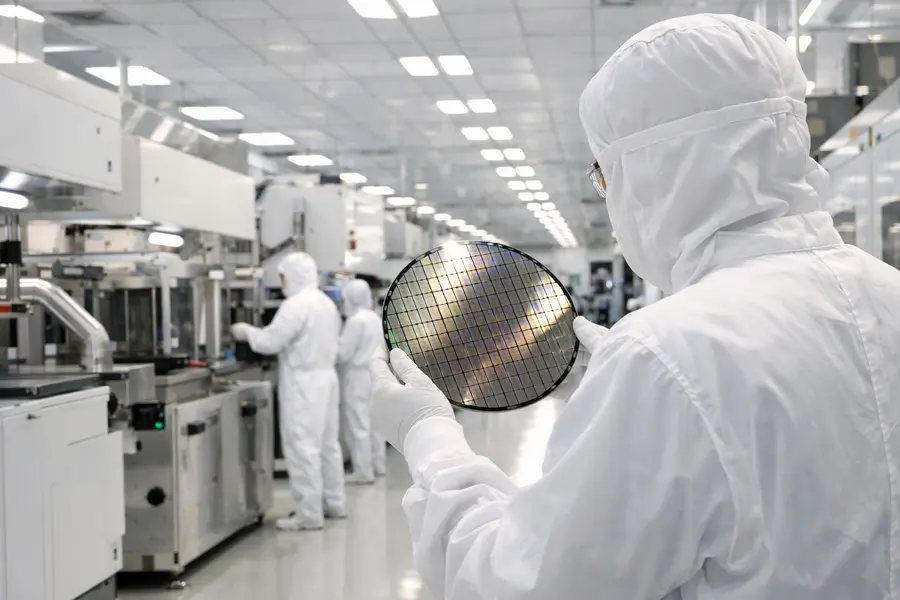
Efficient Computer (US): Pittsburgh chip startup raised a $97M+ Series B at a $650M valuation, led by TQ Ventures, for energy-efficient processors.
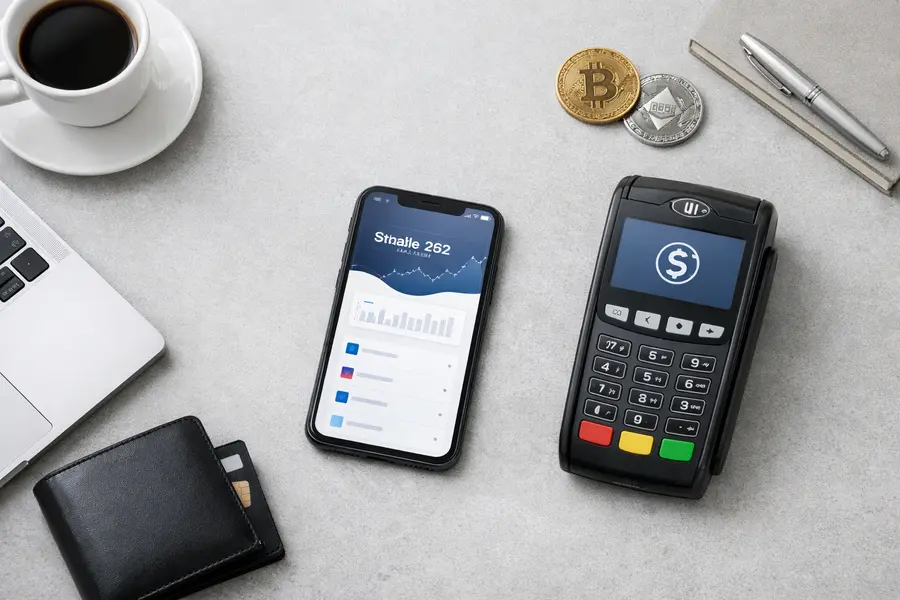
Jeeves (US): Raised a $110M equity round led by CoinFund for its stablecoin-native banking platform for global enterprises.

Helix Digital Infrastructure (US): The KKR-founded AI data-center builder got a $1B investment from Samsung and five affiliates.

General Intuition (US): Raised $220M at a $6.2B valuation to build world models trained on gameplay footage.

Arivihan (India): Indore startup raised a $10M Series A co-led by Accel and Prosus for AI learning for school students.

Onomondo (Denmark): Aspirity Partners made its Nordic debut with a €100M+ investment in the IoT connectivity company.

Jack & Jill (UK) – London startup raised a €34.7M Series A led by Air Street Capital for AI hiring agents.

Chift (Belgium) – Brussels startup raised a €10.5M Series A led by BlackFin to build a financial connectivity layer for software vendors.

Rayon (France) – Raised a €10M Series A for browser-based CAD and interior-design software.

erad (Saudi Arabia) — Riyadh-based SME alternative financing platform closed a $22M Series A led by MEVP to expand credit products across the GCC.
A funding round is a private company selling newly issued shares to investors, and the number that comes out of it - the valuation - is the closest thing the private market has to a share price. Coverage here reports the stage (pre-seed through late-stage), the amount raised, the lead investor, and the post-money valuation, because those four facts together say more than the headline dollar figure alone. A large raise at a flat valuation and a small raise at triple the last one are very different stories.
Rounds matter beyond the company raising. They reprice competitors, they signal which sectors investors believe in this quarter, and they set the mark that a later IPO or acquisition gets measured against. A company that raised at $10 billion privately and lists at $6 billion has told the public market something, and the round is where that story starts.
The letters mark sequence, not size. A seed round funds a company before it has proven a repeatable business, a Series A typically funds the first real scaling of a product that works, and each later letter funds a further stage of growth at a higher valuation. There are no fixed dollar thresholds - a large seed can exceed a small Series A.
Usually not. Priced rounds are generally open to venture funds and accredited investors. The routes available more broadly are equity crowdfunding platforms, listed companies that hold startup stakes, and waiting for an IPO. Pomegra is an educational resource, not financial advice.
The startup desk publishes daily, and every funding story is labeled by category, scored for market impact, and linked to the wiki entries explaining the mechanisms behind it.