 Pomegra
AIAcquisitions
NOTABLE
4 min read
Replit Buys Egypt's Atta in First Non-Developer Move
Atta (Egypt): Replit acquired the AI analytics startup, its first move beyond developer tools.
Daily Digest
Daily Digest
Pomegra Startups
AI startup news: funding rounds, valuations, and exits across model labs, AI infrastructure, and applied-AI companies - and what each move means for the sector.
Atta (Egypt): Replit acquired the AI analytics startup, its first move beyond developer tools.

StudyStash (UK): Kortext acquired the AI study-platform startup, which launched a year ago.

Satlyt (US): Raised an $8M seed from Non Sibi Ventures for an orbital AI cloud that runs on satellites.

Ultravox (US): AI lab Inworld acquired the real-time voice-agent platform.

Halluminate (US): Raised a $30M Series A led by Oak HC/FT to build AI training environments for private equity.

Listen Labs (US/Sweden-founded): Salesforce signed a deal to acquire the AI customer-research startup for a reported $2B.

Instinct (US): The personal AI agent startup raised a $1B Series C at a $10B valuation, led by Sequoia, Benchmark and Coatue. Its $250M Series B came only a month earlier.

Photon (US): Raised $4.5M for AI agents that work inside iMessage and WhatsApp.
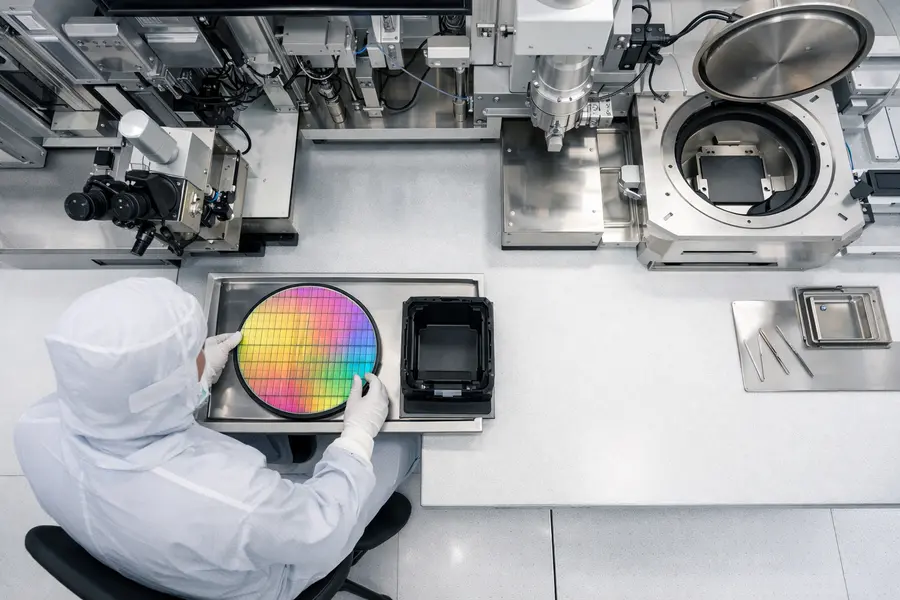
Deepslate (Germany): Raised €7.7M from 42CAP and others for a European speech-to-speech AI model that can be deployed on-premises.

FRANK (Portugal): The startup raised €2.9M, with Armilar participating, to automate paperwork for insurance brokers.

Bolt.new / Dokai (US): Bolt made its first acquisition, buying San Francisco startup Dokai, which builds autonomous go-to-market agents for enterprises.

EliseAI (US): The AI housing-automation startup hit a $4B valuation in a round led by a16z and Bessemer.

AMD / World Labs (US): AMD will acquire Fei-Fei Li's World Labs in an $8.2B stock deal.
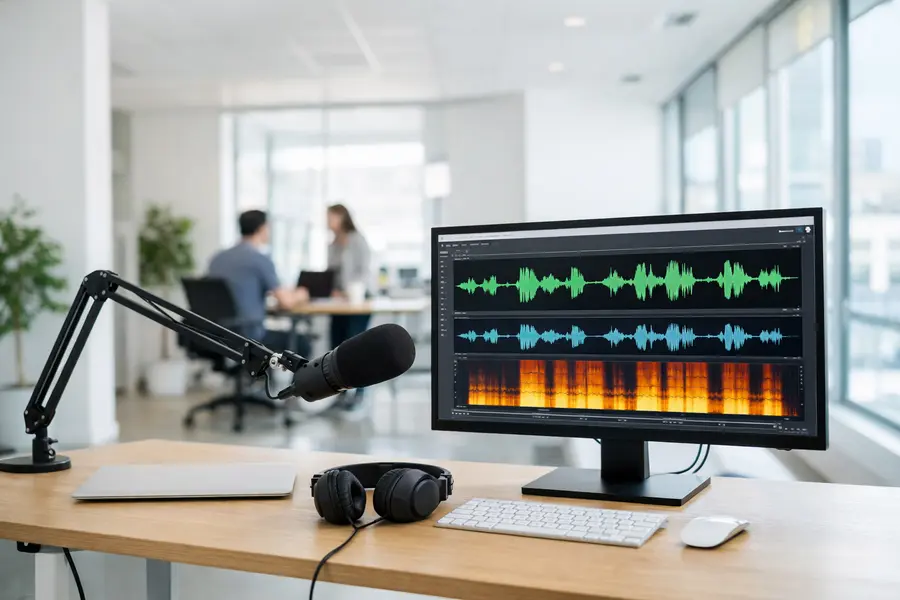
ElevenLabs (UK): The AI voice startup's valuation doubled to $22B after a $300M employee tender offer.

Zenithon (UK): Raised $10M for AI world models that simulate extreme physics in fusion reactors, rockets and chip manufacturing.

Atomic (US): Boston startup raised a $12.5M Series A led by Klass Capital and Madrona to automate supply-chain planning with AI.

OuterSignal (US): New York startup raised a $22M Series A led by Long Journey Ventures and Abstract for customer intelligence for consumer brands.
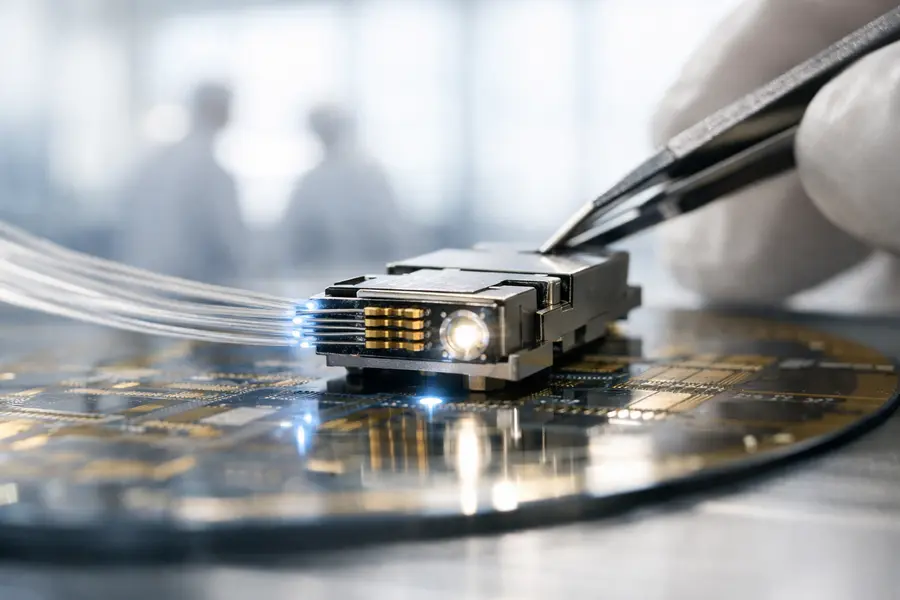
CScale (US): Palo Alto startup emerged from stealth with a $145M Series C, backed by Nvidia and Intel Capital, for optical interconnects in AI data centers.

Helix Digital Infrastructure (US): The KKR-founded AI data-center builder got a $1B investment from Samsung and five affiliates.

General Intuition (US): Raised $220M at a $6.2B valuation to build world models trained on gameplay footage.

Arivihan (India): Indore startup raised a $10M Series A co-led by Accel and Prosus for AI learning for school students.

Jack & Jill (UK) – London startup raised a €34.7M Series A led by Air Street Capital for AI hiring agents.

Complaion (Italy) — Milan-based startup raised €13.5M seed to help SMBs automate regulatory certification and compliance management with AI.

Bird (Netherlands) — Secured $450M in new debt financing.
Verda (Finland) — Raised $189M to expand its AI cloud infrastructure and compute capacity.

Basecamp Research (UK) — AI-based drug discovery startup raised $140M Series C at an $800M valuation, with Anthropic and Nvidia among the backers.

Inevitable AI Group (Europe) raised €5.2M led by Aleph to build AI-native SaaS platforms for enterprise users.

Wonderful (Israel) secured a $550M investment, one of the largest Israeli enterprise AI rounds of the year.

Brahma AI (India) raised $150M at a $2B valuation, backed by Multiples, to deploy AI-generated interactive digital humans for global enterprises including Warner Bros., the NBA, and Mayo Clinic.
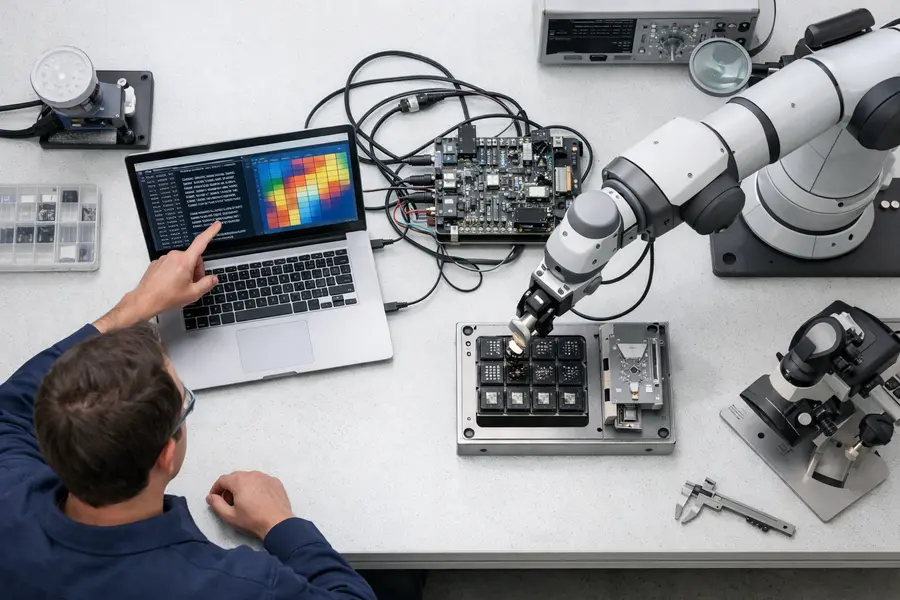
Snorkel AI (USA) raised $350M at a $3.5B valuation, scaling its AI training data factory that supplies complex datasets to frontier AI labs, growing ARR from $20M to $350M in one year.
Training and serving frontier models is capital-intensive in a way most software never was: compute, data, and specialist salaries all cost money before a product earns any. That is why AI rounds are larger and more frequent than the historical norm for the same company stage, and why the sector produces valuations that look disconnected from current revenue. The interesting figure in an AI round is rarely the raise - it is the multiple the round implies and who was willing to pay it.
The sector also splits into layers that behave differently: the model labs, the infrastructure companies selling compute and tooling beneath them, and the applied companies building products on top. A round in one layer often reprices the others, and coverage here notes which layer a story sits in - including when a private AI company's raise moves the listed chip and cloud names that supply it.
Most AI startups are private and not directly investable. The common routes are listed companies with significant AI exposure or stakes in private labs, funds that hold private positions, and waiting for an IPO. This is educational coverage, not investment advice.
AI valuations often price expected future capability rather than current revenue, and the capital required to train models means companies raise earlier and larger. That combination produces higher revenue multiples than most software categories.