Pomegra
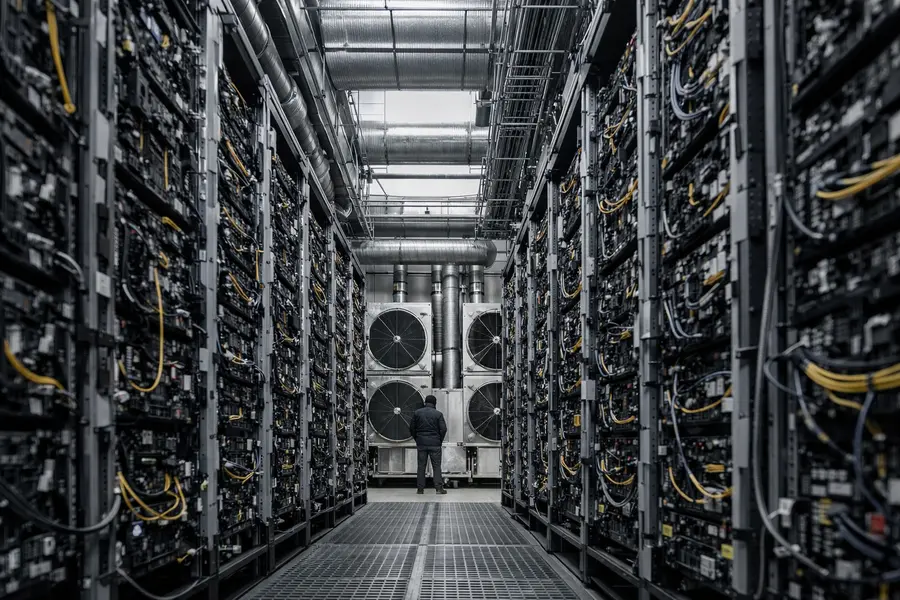
Elice fell 32% on its KOSDAQ debut, the worst for a Korean IPO above $100M, and the rout pulled CoreWeave and Nebius lower as AI stocks reassessed risk.
- Elice closed at 61,500 won on debut, down 32.04% from its 90,500 won IPO price.
- The $151M offering was oversubscribed roughly 388 times by institutions before trading began.
- CoreWeave fell about 4% and Nebius about 5% as neocloud debt worries intensified.
Lead
Elice Group, the South Korean AI data-center and cloud company, closed at 61,500 won on its KOSDAQ debut on Tuesday, October 20, 2026, a 32.04% drop from its offering price of 90,500 won. It is the worst first-day performance on record for a Korean IPO raising more than $100M. The company raised 201.1 billion won (about $151M) in the offering, which valued it at roughly 1 trillion won ($700M).The slide spread to US-listed "neocloud" providers, the GPU-rental businesses that lease AI computing capacity. CoreWeave (CRWV) traded down about 4% at $58.67, and Nebius (NBIS) fell about 5% to $162.20. Iren (IREN) also slid roughly 5%.
What Happened to Elice on Its KOSDAQ Debut?
Elice opened at 75,700 won, 16% below its offering price, and kept sliding through the session. The stock hit an intraday low of 56,500 won, down 37.57%, before closing at 61,500 won. At the early-session lows, its market value had shrunk to about 700 billion won.
The reversal followed unusually strong demand. A total of 2,367 domestic and overseas institutions took part in book-building, which was subscribed 388.84 times. The retail tranche was 408.26 times covered and drew more than 10 trillion won (about $7.7 billion) in subscription deposits.
Founded in 2015, Elice began as an AI education platform and has expanded into cloud services and GPU-based data centers. In the first half of 2026 it reported revenue of 34.4 billion won and operating profit of 10.3 billion won. It plans to use the proceeds to build AI data centers and expand in the United States, Japan and Singapore.
Why Did CoreWeave and Nebius Fall?
CoreWeave and Nebius fell because Elice's debut crystallized a concern already weighing on the neocloud group: that capacity is being built faster than durable demand and that financing is getting harder. Elice is a small-cap company next to the US names, but investors treated its debut as a read on appetite for AI infrastructure equity.
The group was already under pressure. CoreWeave's bond yields and credit default swap pricing have moved to distressed levels in recent sessions. Traders have also bought protective put options on the stock. Both CoreWeave and Nebius rely heavily on borrowed money to buy GPUs and fund data-center construction, which makes them sensitive to rising borrowing costs.
Why Does the Debut Matter for AI Stocks?
The debut matters because it shows that heavy order books no longer guarantee that a newly listed AI company will trade well. Elice's retail and institutional books were several hundred times covered, yet the stock still opened well below its offering price. That points to subscription demand that was driven by allocation scarcity rather than conviction in the valuation.
The result also complicates the IPO pipeline for AI infrastructure companies. Issuers that depend on public equity to fund data-center buildouts now face a tougher pricing environment, at a time when elevated inflation is keeping borrowing costs high and investors are questioning whether record AI capital spending will pay off soon. Investors looking at how to buy an IPO in this sector must now weigh the gap between the offering price and first-day trading.
Strategic Context
Neoclouds sit between chipmakers and the AI model developers that rent their capacity. Their economics depend on keeping GPUs fully leased at stable prices, and on refinancing debt tied to those contracts. Slower revenue growth at model developers would reduce demand for rented capacity, while higher rates would raise the cost of the debt used to buy it.
Elice's strategy differs somewhat. It combines cloud infrastructure with education and enterprise AI software, and it is profitable on an operating basis. Even so, the market priced it as a member of the neocloud group on its first day.
What Comes Next for Neocloud Shares?
The next test is whether credit conditions for CoreWeave and Nebius stabilize. Bond yields, credit default swap spreads and any new debt or equity offerings will indicate whether lenders and investors still back the buildout model. Further weakness in those markets would raise financing costs for the whole group. A steadier credit market would leave the Elice debut as a regional disappointment rather than a sector signal.
For Elice, trading in the coming sessions will show whether the stock finds a floor above its intraday low of 56,500 won or whether the offering price stays out of reach.
Outlook
Elice's 32% debut loss set a Korean record for IPOs above $100M and fed a broader reassessment of AI stocks tied to GPU rental. CoreWeave and Nebius fell 4% to 5% as debt costs and demand durability came back into focus. Credit conditions and the reception of the next AI infrastructure listing will shape the sector's direction over the coming months.
Mentioned tickers: CRWV, NBIS, IREN, ORCL, HSBC