Pomegra
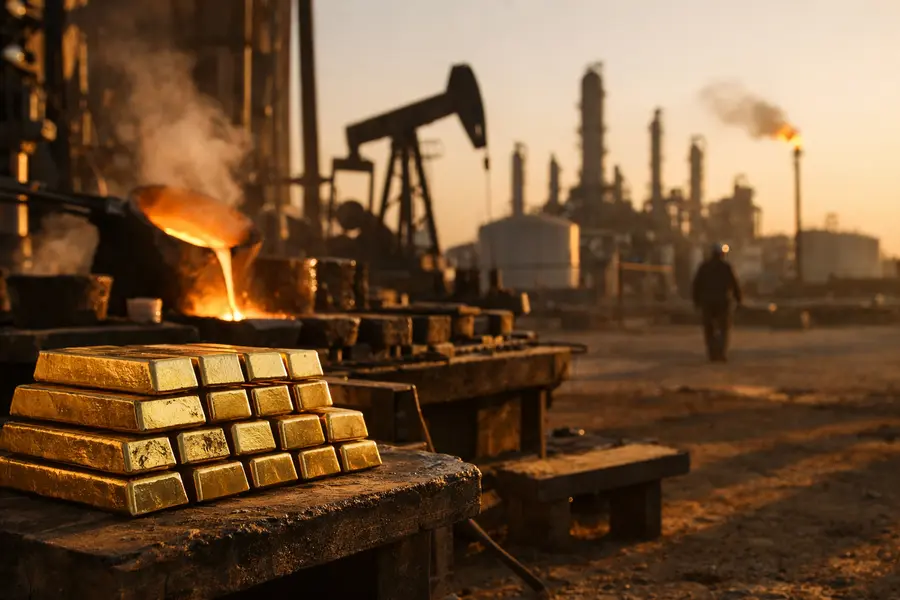
Gold slid to about $4,120 an ounce as Brent near $110 stoked inflation fears and rate-path doubts, while Bitcoin held near $81K, down $29K on the year.
- Gold traded near $4,120 an ounce on Oct. 20 as higher oil revived inflation concerns.
- Brent crude held near $110 a barrel, close to a five-month high, on Gulf shipping risks.
- Bitcoin sat near $81,000, about $29,000 below its level a year earlier.
Lead
Gold edged lower to about $4,120 an ounce on Tuesday, Oct. 20, as a surge in crude prices stoked inflation worries and forced investors to reassess the path of interest rates ahead of the Federal Reserve's meeting next week. Bitcoin traded near $81,000, roughly $29,000 below its price a year ago, in a subdued session for digital assets.What Happened to Gold on Tuesday?
Gold fell to about $4,120 an ounce, pressured by a repricing of rate expectations rather than any loss of safe-haven demand. The metal pays no yield, so it tends to weaken when markets expect borrowing costs to stay higher for longer. Funds tracking bullion, including the SPDR Gold Shares ETF (GLD), are exposed to the same dynamic.
The move reflects a familiar tension. Geopolitical stress normally supports gold. This time the stress is arriving through energy prices, which feed directly into inflation and into the fed rate outlook. A higher-for-longer rate path raises the opportunity cost of holding bullion.
Why Is Oil Driving Rate Expectations?
Oil is driving rate expectations because energy costs pass quickly into consumer prices and into measures of inflation expectations. Brent crude traded around $110 a barrel on Oct. 20, near a five-month high, after Houthi claims of attacks on Saudi energy infrastructure and reports of at least 18 vessel attacks over two weeks. Those incidents have heightened concern about the security of Middle Eastern oil shipments.
Several channels link crude to monetary policy:
- Fuel and transport costs lift headline price indexes within weeks.
- Shipping and insurance premiums rise when vessels are targeted, adding to delivered energy costs.
- Wage and price-setting behavior can shift if households expect elevated energy costs to persist.
Central banks generally look through one-off energy shocks. They become less willing to do so when inflation has already run above target for an extended period, which is the backdrop for the Fed's meeting next week. Markets are weighing whether policymakers will signal a slower pace of easing or a longer pause.
How Is Bitcoin Trading Against Gold?
Bitcoin is trading flat to lower, near $81,000, and has not behaved as an inflation hedge. The token has been confined to a narrow range of roughly $81,000 to $82,800, with trading activity subdued. A year ago it traded near $110,000, which puts the decline at about $29,000, or roughly a quarter of its value.
Gold's position is the reverse. Even after Tuesday's dip, bullion sits above $4,100 an ounce, a level that underlines its strength over the same period. The divergence shows how the two assets have been treated differently. Gold has attracted central bank and institutional demand as a defensive holding. Bitcoin has traded as a risk asset sensitive to liquidity and to the outlook for interest rates.
What Comes Next for Gold and Bitcoin?
The near-term driver for both assets is the Fed meeting next week, together with the direction of crude. Three scenarios frame the next several sessions:
- Oil stays near $110. Inflation concerns persist, rate-cut expectations stay pressured, and gold remains vulnerable to further pullbacks.
- Oil eases on lower shipping risk or supply relief. Rate doubts fade and gold regains support, while risk assets such as Bitcoin gain from easier financial conditions.
- Gulf attacks escalate. Safe-haven buying competes with the rate headwind, and volatility rises across commodities and currencies.
For Bitcoin, the $81,000 to $82,800 range marks the boundary traders are watching. A move out of it would signal a change in positioning, while continued range trading points to a market waiting on policy guidance.
Outlook
Gold at about $4,120 an ounce and Bitcoin near $81K reflect markets balancing two forces: geopolitical risk that lifts oil, and the rate implications of the resulting inflation pressure. The Fed's meeting next week and the trajectory of Brent crude near $110 will set the tone for both assets.
Mentioned tickers: GLD