Pomegra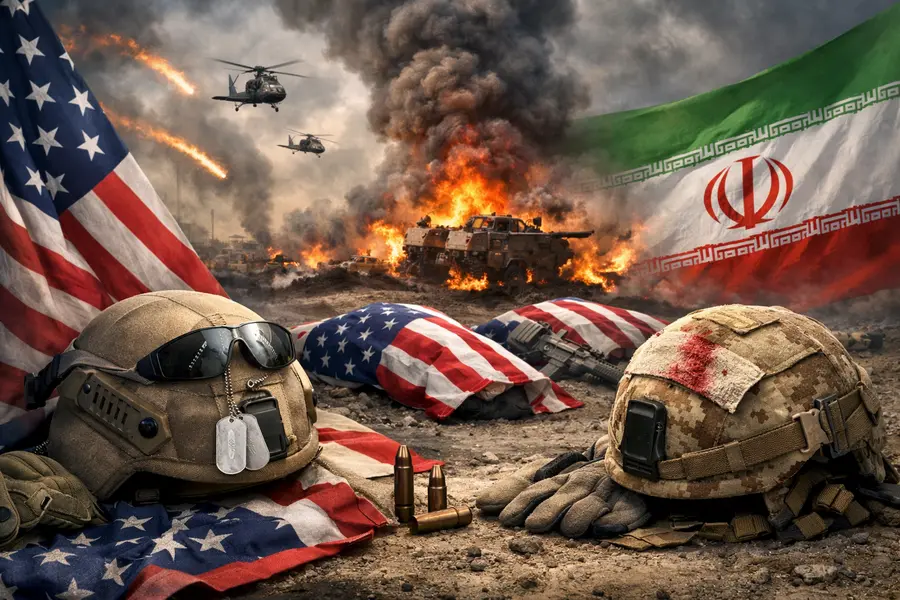
An Iranian ballistic missile and drone barrage on a Jordan air base kills two American service members and collapses the June 17 peace accord, pushing the five-month conflict into its most dangerous phase.
- Iran struck Muwaffaq Salti Air Base in Jordan with ballistic missiles and drones on July 18, killing 2 US troops and leaving 1 missing in action.
- American fatalities in the iran war now stand at 16 dead and more than 400 wounded since hostilities began February 28.
- Brent crude extended gains to above $87 per barrel — up 19% from pre-war levels — as Strait of Hormuz daily transits collapsed more than 50%.
Lead
WASHINGTON — Two United States service members were killed and one went missing on July 18 after Iranian ballistic missiles and drones struck Muwaffaq Salti Air Base in Jordan, a key installation hosting American and partner coalition forces. U.S. Central Command confirmed at least two ballistic missiles hit the base; four additional personnel required medical evacuation but were subsequently discharged. The deaths lifted the American combat toll in the five-month iran conflict to 16 killed and more than 400 wounded and triggered a new wave of retaliatory airstrikes — the eighth consecutive night of American military operations against Iranian targets.
What Happened
Iran's Islamic Revolutionary Guard Corps launched the combined ballistic missile and drone barrage at Muwaffaq Salti, an installation that hosts both Jordanian and U.S. coalition aircraft and is one of Washington's principal air assets in the region. CENTCOM reported that several helicopters were destroyed in the strike and dozens of personnel sustained minor injuries. The two service member deaths represent the first American fatalities from Iranian fire since March, ending a roughly four-month lull in lethal casualties and bringing the tactical situation into a more acute phase.The attack formed part of a week-long pattern in which Iranian forces struck U.S. and coalition positions in Jordan on four separate occasions, wounding dozens and destroying material in what U.S. officials described as a deliberate broadening of Iranian targeting geography.
President Donald Trump ordered a new round of strikes on Saturday evening in direct retaliation, directing CENTCOM to hit underground weapons storage facilities and surveillance sites across Iran. The command described the mission as designed to "further degrade Iran's ability to threaten commercial shipping in the Strait of Hormuz" and to punish IRGC units responsible for the Jordan attack. The operation extended what had originally been a seven-night planned campaign into an eighth consecutive night of strikes — the longest sustained U.S. air campaign against Iran in the conflict's history.
Collapse of the June Peace Framework
The Jordan casualties dealt what appears to be a decisive blow to the June 17 memorandum of understanding between Washington and Tehran. That accord had launched a 60-day negotiation period and included Iran's formal reaffirmation that it would not develop nuclear weapons — language Washington had pressed for throughout months of indirect talks. Mutual strikes resumed in early July, progressively eroding the framework's credibility before Friday's attack.
Iran formally declared the MoU void following the latest escalation, with Iran's Supreme Leader warning the United States of "unforgettable lessons" and characterizing President Trump's signature on the peace accord as "worthless and invalid."
Trump, speaking at a NATO summit in Ankara, said he believed the MoU was "over" and described further diplomatic engagement as a "waste of time," though he left the door marginally open to continued technical talks. A senior U.S. official separately told reporters that Washington remained "committed" to a negotiation process — leaving the two governments publicly at odds over whether any diplomatic architecture remains functional.
Market and Economic Impact
Energy markets moved sharply on the deteriorating iran news. Brent crude climbed above $87 per barrel on Friday — a one-month high and 19% above pre-war levels from late February. Over the previous seven days, oil prices had already risen more than 14% as fighting intensified; during one acute spike earlier in the month, Brent surged 9.5% in a single session, its largest single-day gain since May 2020.
The Strait of Hormuz remains the central chokepoint amplifying every market move. Daily transit volume fell more than 50% in a single week, with only 57 vessel crossings recorded over one recent weekend compared with approximately 130 daily transits before U.S.-Israeli operations began in February. The Trump administration has signaled its intent to reimpose a Hormuz blockade and levy a 20% tariff on all cargo transiting the waterway — a measure that, if implemented, would layer a deliberate economic weapon atop the existing physical security risk.
Strategic Context
The conflict has now passed through at least one ceasefire attempt, two rounds of resumed full-scale hostilities, and the dissolution of a formal diplomatic instrument. Iran's decision to strike inside Jordan — targeting a base co-used by Jordanian forces — signals a deliberate expansion of the conflict's geographic footprint, testing the cohesion of Washington's Arab partner network. Jordan had previously avoided direct military involvement.
Eight consecutive nights of U.S. strikes reflect a sustained campaign targeting Iranian coastal military infrastructure near Hormuz, island positions including Greater Tunb, and now underground munitions stockpiles. The tempo suggests a shift from episodic punitive strikes to attrition-oriented operations aimed at degrading Iranian offensive capacity over a sustained horizon.
Outlook
With the June MoU effectively defunct, us iran news enters a phase defined by military attrition and fragile diplomatic space. American casualties — 16 dead, 400-plus wounded — are approaching a politically sensitive threshold. Oil markets assign a growing probability to infrastructure targeting: the $100-per-barrel threshold for Brent re-enters the range of plausible near-term outcomes if hostilities at the current intensity persist for several more weeks. The critical question over the next 30 to 60 days is whether the Trump administration constructs an alternative diplomatic channel or advances toward strikes on Iranian energy and nuclear infrastructure that would represent a qualitative escalation of the conflict.
Mentioned tickers: BNO, USO, XOM, CVX, LMT, RTX, NOC, GD