Pomegra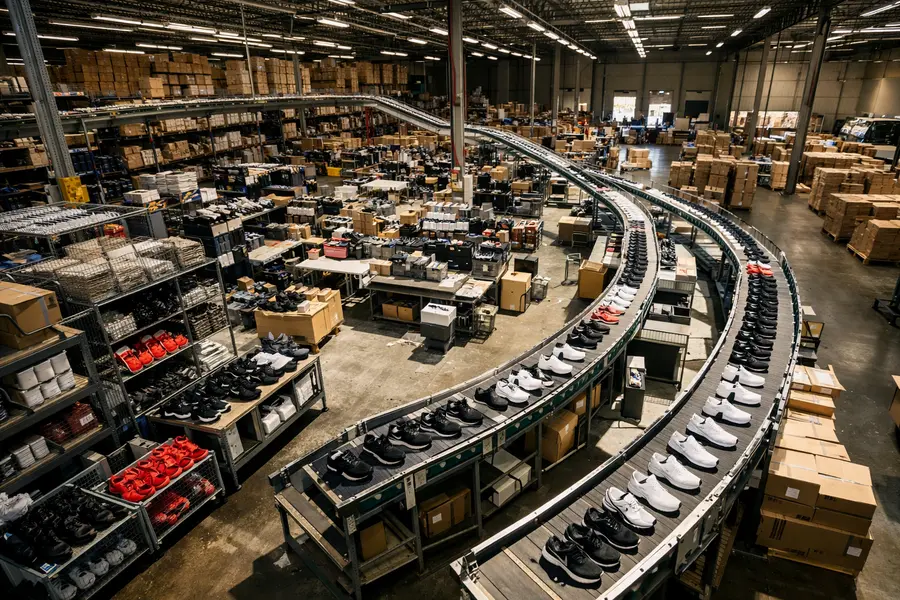
Bank of America cuts Nike to Underperform with a $30 target, flagging a dividend payout ratio above 100% in FY2027, ahead of the October 1 earnings report.
- BofA cut its Nike price target from $47 to $30, downgrading shares to Underperform on September 26.
- Analyst trimmed FY2027 EPS 11% to $1.43 and FY2028 EPS 12% to $1.87, citing persistent demand weakness.
- NKE's projected FY2027 dividend payout ratio of approximately 107% raises questions about dividend sustainability.
Lead
Bank of America downgraded Nike, Inc. (NKE) from Neutral to Underperform on Friday, September 26, cutting its price target from $47 to $30 in one of the sharpest institutional rebukes of the athletic brand in years. The action lands five days before Nike reports fiscal first-quarter results on October 1, compounding pressure on a stock that has already shed 48% of its value over the prior 12 months - leaving NKE as the worst-performing component of the Dow Jones Industrial Average.Why Did BofA Cut Nike to Underperform?
The downgrade reflects a fundamental extension of Nike's recovery timeline. Analyst Lorraine Hutchinson pushed back her expectation for a sales rebound from spring 2027 to fiscal 2028, citing a persistent gap between North American wholesale shipments and actual consumer sell-through rates. Product is moving into retail channels faster than shoppers are clearing it from shelves - a dynamic that forces deeper discounting and compresses margins over time. BofA now projects negative revenue growth for Nike through all of fiscal 2027, a materially worse trajectory than the firm previously modeled.
What Does the Dividend Warning Mean for NKE?
The most pointed element of Friday's note is a flag on Nike's dividend coverage. With FY2027 EPS revised down 11% to $1.43 per share, BofA's model implies a payout ratio of approximately 107% - meaning Nike would be distributing more in dividends than it earns. A payout ratio above 100% is not immediately catastrophic: companies can sustain elevated payouts from cash reserves or credit facilities for a period. But it is broadly regarded as unsustainable absent a sharp earnings recovery, creating a credible risk that management could be forced to reduce or suspend the dividend. BofA lowered its income rating on NKE to reflect the deteriorating coverage, adding a distinct layer of downside for income-oriented shareholders who anchor on dividend yield when evaluating the stock.
Tariffs and Channel Imbalances Add to the Pressure
BofA also cut FY2028 EPS by 12%, to $1.87, signaling that demand headwinds will extend across multiple fiscal years. The wholesale-to-consumer sell-through disconnect in North America is the primary structural drag, but Nike faces a parallel cost challenge from tariffs. Management has guided for tariff-related costs of $1.5 billion in fiscal 2026 - up from an earlier projection of $1.0 billion - with an expected 1.2 percentage-point impact on gross margin. That incremental $500 million in unplanned cost further constrains Nike's capacity to invest in brand recovery and cushion earnings against weak top-line growth, narrowing the operational flexibility the company needs to execute a turnaround.
How Does the Downgrade Fit Nike's Broader Decline?
At approximately $36.35 as of September 29, NKE has fallen 48% over the past 12 months, making it the Dow's worst performer by a wide margin. The BofA $30 target reflects conviction that the risk-reward remains unfavorable into earnings and well beyond. Pre-earnings consensus centers on Q1 revenue of roughly $11.3 billion - a 2.6% year-over-year decline - and EPS of $0.44, down approximately 10% from the year-ago period. Some models carry higher revenue estimates near $11.5 billion and EPS closer to $0.48, but BofA's note signals the Street may be underpricing the durability of Nike's channel and demand challenges through the medium term.
Outlook
Nike enters its October 1 earnings call with a freshly minted Sell rating, a 48% trailing-12-month decline, and a growing debate over whether the annual dividend remains tenable if FY2027 earnings fall short of payout commitments. The variables that matter most - North American sell-through trends, updated tariff cost guidance, and management's tone on the recovery timeline - will determine whether the October report offers any stabilization or accelerates the multiple compression BofA now anticipates. Until the wholesale inventory overhang clears and consumer demand accelerates, the earnings recovery at Nike remains a fiscal 2028 story at best.