Pomegra
The White House says South Korea broke its pledge to treat US tech firms fairly after about $688 million in Coupang fines. Seoul calls the enforcement lawful and non-discriminatory.
- Seoul has fined Coupang (CPNG) about $688 million across a data-breach penalty and a food-delivery antitrust case.
- The White House says the fines breach a fair-treatment commitment made to President Donald Trump in November 2025.
- Seoul says all actions were lawful and also hit Korean rival Baemin. Washington is weighing a response.
Lead
The White House has accused South Korea of breaking a promise to treat American technology companies fairly. It cites roughly $688 million in penalties imposed on Coupang (NYSE: CPNG), the Seattle-headquartered e-commerce operator often called the "Amazon of Korea." A White House official said the administration opposes what it sees as discrimination against US firms under President Lee Jae Myung and expects Seoul to honor its commitment. South Korea's embassy in Washington rejected the charge. It said every action was taken lawfully under the relevant statutes and that Seoul remains committed to a fair, non-discriminatory business environment.
What Fines Has Coupang Faced in South Korea?
The roughly $688 million total combines two separate enforcement actions by different regulators.
The larger piece is a record 624.7 billion won penalty (about $409 million at the time) from the Personal Information Protection Commission, announced on June 11, 2026. It followed a breach that exposed the data of about 37.5 million users between April and November 2025. The regulator said the breach stemmed from deficiencies in basic safety management rather than sophisticated hacking. The sum includes 423.6 billion won for the breach itself and 201.1 billion won for collecting online activity records of about 11.2 million users without consent. It is the largest privacy fine South Korea has issued, well above the 134.8 billion won levied on SK Telecom earlier this year.
The second piece came on November 9, 2026, when the Korea Fair Trade Commission announced a provisional penalty of about 300.8 billion won (roughly $224 million) on Coupang Eats over anticompetitive practices in food delivery. Coupang has said it will challenge the data fine and has cited corrective measures it has taken.
Why Is Washington Calling This a Broken Pledge?
Washington says the penalties contradict a commitment Seoul made to Trump in November 2025, when the two governments settled terms of a broader trade and security arrangement. That arrangement includes a $350 billion South Korean investment pledge in the United States. The US argues that a cumulative bill of this size, on a company that describes itself as the largest US foreign direct investor in South Korea over the past decade, signals discriminatory treatment.
The State Department has gone further. It called the Fair Trade Commission's actions an assault on American companies, said they threaten the potential of the alliance, and said it is evaluating a range of policy options. A House Judiciary Committee report in July also accused Seoul of discriminating against US-owned businesses. Coupang investors have separately asked Washington to open a probe into how Seoul handled the data case.
How Does Seoul Defend the Enforcement?
Seoul's position is that the cases rest on consumer-protection and competition law and that nationality played no role. The embassy noted that the food-delivery penalties also fall on Baemin, a Korean-owned competitor. The presidential office earlier rejected the House report, saying it reflected Coupang's position disproportionately. The foreign ministry has said the Coupang matter should not be linked to ongoing security negotiations.
The data case also carries domestic political weight. The breach affected roughly 70 percent of the country's population by count of accounts, and the National Assembly has summoned a Coupang executive over the incident. That makes any concession on the fines politically costly for Lee's government.
What Could Washington Do Next?
Washington has not named a specific measure. Officials have raised the possibility of retaliation from Congress or the White House, including additional tariffs on South Korea, if the dispute drags on. Other tools include reopening terms of the trade understanding, linking the matter to the security talks Seoul wants kept separate, and using trade-law investigations into digital regulation.
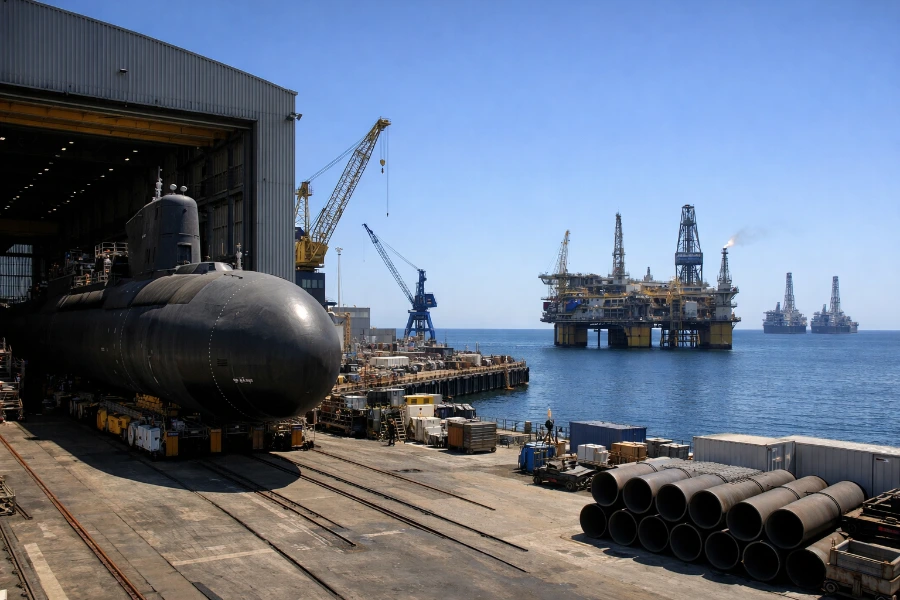
Seoul has leverage of its own. Its investment pledge and its interest in nuclear-powered submarine cooperation give it reasons to avoid an open rupture. Washington, in turn, has reasons to avoid straining an alliance partner that is central to its China and North Korea policy. Over the next three to twelve months, the most likely path is a negotiated off-ramp, such as reduced or restructured penalties or procedural commitments on foreign firms. The alternative is a tariff-linked escalation that would widen the dispute beyond one company.
What It Means for Coupang
Coupang earns most of its revenue in South Korea, so the fines hit a US-listed company through a Korean regulatory process. The company's shares have shown only modest moves on recent penalty headlines. The larger question for investors is whether the US government's involvement changes the final size of the penalties or the pace of Coupang's Korean investment plans.
Outlook
The dispute has turned a regulatory case into a test of the US-South Korea trade and security relationship. The White House calls the roughly $688 million in fines discriminatory, and Seoul says it is applying its laws evenly. A response from Washington, whether tariffs, a trade-law probe or a negotiated settlement, will determine whether the matter stays a corporate dispute or becomes a wider alliance issue.
Mentioned tickers: CPNG