Pomegra
The U.S. July trade deficit surged 24% to $88.6 billion, the widest in over a year, straining the Fed's interest rates outlook before the September 15-16 FOMC meeting as three successive macro shocks reshape the policy debate.
- The July trade deficit widened $17.4 billion to $88.6B - a 24.4% monthly surge and the largest reading since early 2025.
- Technology imports, led by a $14 billion combined jump in computers and semiconductors, pushed total imports to $399.3 billion while exports fell $6.6 billion.
- Three consecutive data misses - negative July payrolls, an ADP collapse, and Friday's trade blowout - hand the Fed a stagflation dilemma heading into its September rate decision.
Lead
The U.S. Census Bureau and Bureau of Economic Analysis jointly reported Friday that the goods and services trade deficit reached $88.6 billion in July, expanding $17.4 billion from a revised $71.2 billion in June - a 24.4% monthly surge and the widest gap in more than a year. The release landed simultaneously with the August nonfarm payrolls print, capping a week in which three successive data shocks forced markets to reprice the probability of a rate hike at the Federal Reserve's September 15-16 FOMC meeting. The goods deficit alone widened $17.6 billion to $119.6 billion, its highest level since early 2025.
What Drove the July Trade Blowout?
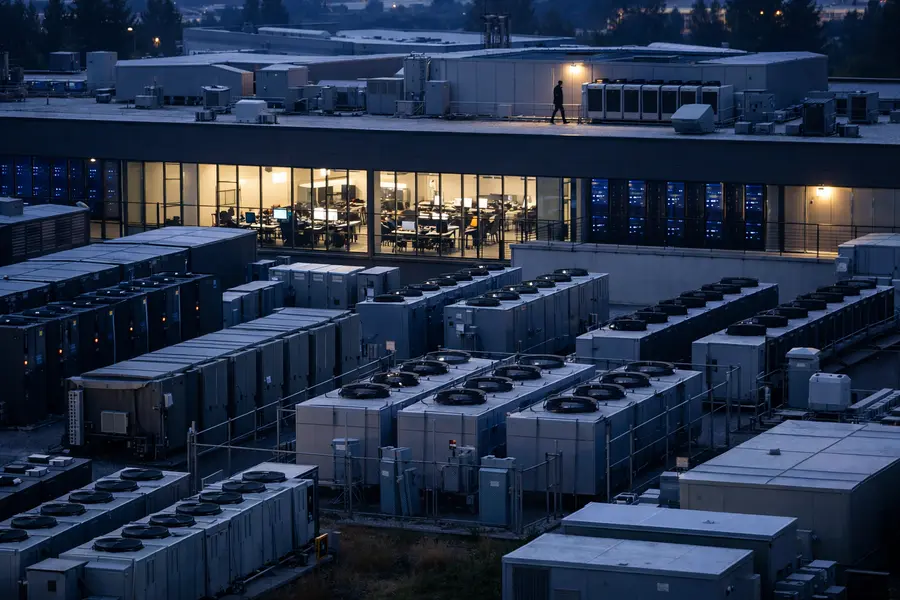
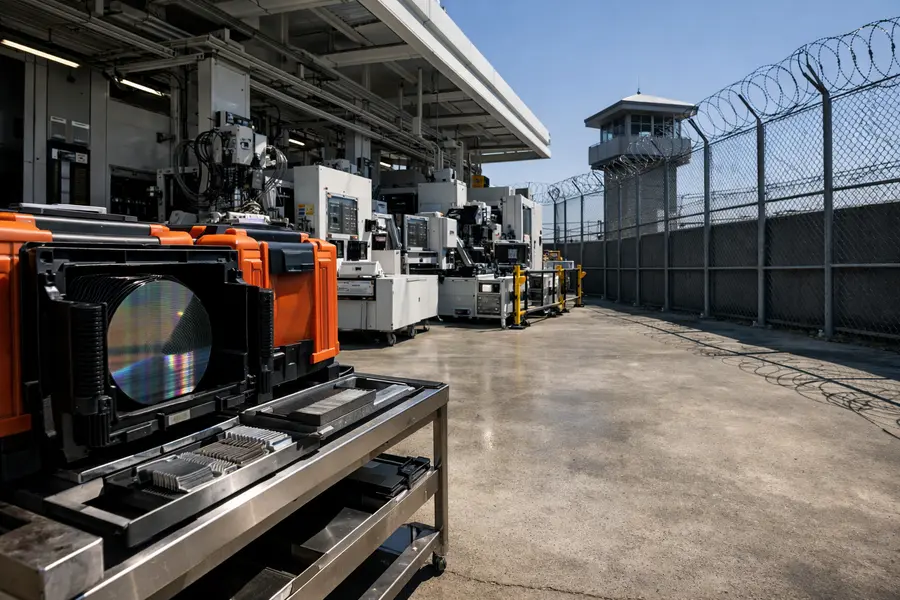
Artificial intelligence-linked capital goods imports were the dominant force behind the deficit surge. Computers and semiconductors collectively rose $14 billion from June, reaching levels not previously recorded, as corporate data center buildout commitments continued without interruption despite the elevated borrowing cost environment. Total imports hit $399.3 billion, up $10.8 billion from the prior month.
Exports moved in the opposite direction. Total U.S. shipments abroad fell $6.6 billion to $310.7 billion, led by crude oil exports contracting $4.5 billion and nonmonetary gold declining $3.9 billion. The weakness was broad across goods categories, reflecting softer overseas demand and the persistent drag of dollar strength on U.S. price competitiveness. The services surplus - typically a partial counterweight to the goods shortfall - rose only $0.2 billion to $31.0 billion, providing no meaningful cushion.
Year-to-date, the cumulative goods and services deficit remains $188.4 billion, or 29.6%, below the same period in 2025, underscoring how sharply July reversed a tariff-driven improvement that had held through the first half of the year.
Why Does the Miss Complicate the Fed's Interest Rates Decision?
A widening trade gap introduces a stagflationary dynamic that a single interest rates adjustment cannot resolve: rising import prices push inflation higher while deteriorating goods competitiveness reflects a slower-growth domestic economy, leaving policymakers without a clean policy lever. Friday's data extends a damaging macro sequence that began weeks earlier.
The July nonfarm payrolls report, released August 7, showed the U.S. economy shed 23,000 jobs against an 83,000 consensus estimate, accompanied by a combined 103,000 downward revision to May and June. The 12-month average has since fallen to 34,000 - a level historically associated with labor market stress. Then, this week's ADP August report logged only 38,000 private-sector jobs, the lowest monthly reading since January and well below the 47,000 forecast. Labor force participation fell further to 61.4%, its lowest in more than five years.
Fed Chair Kevin Warsh held the benchmark rate at 3.50%-3.75% at the July 28-29 FOMC meeting, with a 9-3 vote reflecting a committee already fractured over direction. His Jackson Hole address on August 28 sharpened his inflation commitment and pushed market-implied odds of a September rate hike above 50%. The week's data sequence - ADP collapse, a negative July payrolls revision trail, and now a record trade miss - tests whether that hawkish posture can withstand incoming evidence of demand deterioration.
Market Reaction
The simultaneous Friday release of the trade data alongside the August nonfarm payrolls report - which printed at 162,000, well above the 53,000 consensus - produced a conflicted market response. The payrolls beat briefly lifted SPY and QQQ from their session lows before the weight of the week's cumulative data reasserted pressure. NVDA and semiconductor-linked vehicles including SOXL held near flat as investors separated the structural AI demand thesis from the near-term macro deterioration. Treasury yields fell across the front end as traders trimmed hike bets; the long end remained under modest upward pressure as import-driven inflation expectations resisted a decisive decline.
Outlook
The July trade report makes clear that the AI capital goods import cycle is durable rather than episodic. Semiconductor and computer procurement reflect multiyear infrastructure commitments that will sustain elevated import volumes well into 2027, regardless of near-term Federal Reserve policy. On the export side, crude oil and gold weakness reflects currency dynamics and demand softness that correct over quarters, not weeks. The September 15-16 FOMC meeting arrives with Chair Warsh navigating a split committee, a post-Jackson Hole inflation commitment to defend, and a data picture that now makes the case for restraint at least as credible as the case for tightening.