Pomegra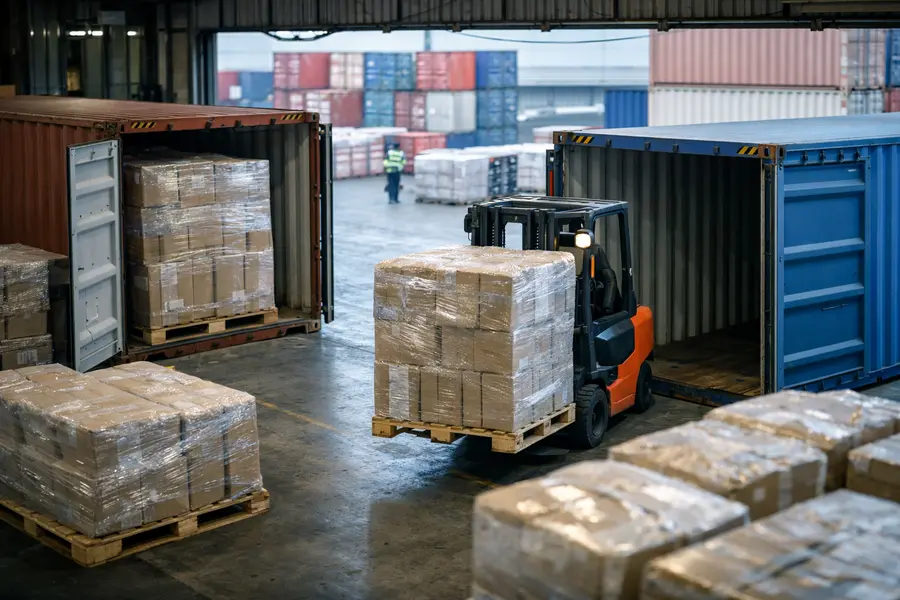
The US and China will cut tariffs on $30 billion of goods each and open an AI dialogue after Xi's Washington visit, while arms-sale remarks unsettle Taiwan.
- Washington and Beijing will each cut tariffs on $30 billion of goods, and the trade truce now runs to January 10, 2027.
- A new AI communication channel covers incidents, with the next round of talks due by the end of November.
- Remarks about selling arms to Beijing were denied by Trump and ruled out by the State Department.
Lead
The United States and China agreed to reduce tariffs on roughly $30 billion of goods in each direction and to open a dialogue on artificial intelligence, following a three-day Washington summit between President Donald Trump and President Xi Jinping that ended on Friday, September 25. The announcement came on September 26. Xi had last visited the United States in 2023. The package is modest against the scale of bilateral trade, but it is the first concrete output of the leaders' engagement since Trump travelled to China in May.
What Did the US and China Agree?
The two governments agreed to lower duties on non-sensitive goods in both directions and to extend their trade truce by two months. The truce had been due to lapse on November 10 and now runs through January 10, 2027.
US tariff reductions cover consumer products including small appliances such as coffee makers and toasters, tableware, bed linens, toys, fireworks, artificial flowers, Christmas decorations and children's car seats. China's cuts apply to US agricultural products such as corn, wheat, sorghum, meat, dairy and vegetable oils, as well as seafood, logs and wood products, cosmetics and medical devices. Soybeans, the largest US farm export to China, are not included.
The measures were recommended through the US-China Board of Trade, a body first proposed during Trump's May visit to Beijing and formally established during Xi's trip. An agriculture working group is due to hold initial meetings before the end of the year. China also committed to import 10 million metric tons of US coal annually in 2027 and 2028 and to review foreign financial-services approvals.
How Will the AI Dialogue Work?
The AI dialogue creates a standing channel between the two governments to manage incidents involving advanced systems and to discuss the risks and benefits of the technology. The next round of talks is scheduled by the end of November. The White House said the leaders agreed to use the term "super intelligence" in place of "artificial intelligence" in their communications.
The channel carries no export-control concessions. Washington's restrictions on advanced chips and equipment remain in place, and the dialogue is framed as risk management between two competitors in a race for AI leadership. For companies building or deploying frontier models, the practical effect is a clearer line of government-to-government contact if a cross-border incident occurs, not a change in the rules governing technology sales.
Did Trump Offer to Sell Arms to Beijing?
Trump denied making an offer, though the question has dominated the summit's aftermath. US Ambassador to China David Perdue said Trump "actually asked President Xi would he like to buy some" US weapons when the subject of Taiwan arms sales came up. Trump said on Monday that the two leaders did not discuss it, adding that China would "probably like to buy it" because US equipment is better than Chinese equipment.
A State Department official said US law prohibits arms sales to China and that there is no offer or plan to make any. The exchange nonetheless landed amid a paused $14 billion package of weapons for Taiwan, which Beijing wants Washington to abandon. Xi warned Trump during the visit to proceed with "caution" on arms sales to the self-ruled island, and China's Foreign Ministry said Taiwan is central to "national reunification and territorial integrity."
How Did Markets React?
Chinese equities fell on Monday, September 28, as investors found few concrete details to support the summit's tone. The blue-chip CSI 300 index slid more than 2% to a one-year low. Technology shares led the decline after a bipartisan push in Washington to ban Chinese components from data centers, a reminder that congressional pressure on technology trade runs against the executive branch's tariff diplomacy.
The tariff cuts are small relative to the duties still in force on both sides, and the truce extension postpones the next deadline without resolving the underlying disputes over technology controls, rare earths and market access.
Strategic Context
The summit shows a pattern that has held since the 2025 trade truce: incremental, sector-specific deals that extend deadlines and create institutions, with the harder questions deferred. The Board of Trade gives both sides a permanent venue, which lowers the risk of sudden escalation but does not settle structural disagreements. Beijing's agricultural purchases and coal commitments address Washington's concern over the trade balance. Beijing's demand on Taiwan arms sales is a political price that Congress, not the White House alone, will influence.
The pledges on APEC and G20 hosting, which each side agreed to support, reflect a shared interest in keeping the calendar of leader-level meetings intact into 2027.
Outlook
The next signposts are the AI talks due by the end of November, the first agriculture working group meetings before year-end, and the January 10, 2027 truce expiry. The status of the paused $14 billion Taiwan package will be the main test of whether the leaders' rapport survives domestic political pressure. Until those dates, the tariff reductions and the new AI channel set a floor under the relationship without changing its competitive core.
Mentioned tickers: None