Pomegra
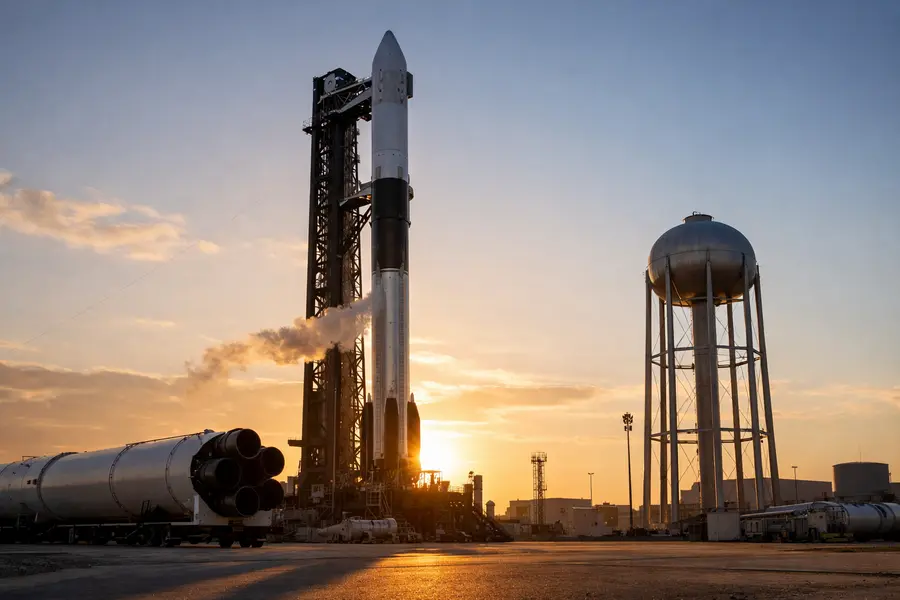
SpaceX (SPCX) shares rose about 8% after hours as Q3 revenue climbed 161% to $14.58B and net income hit $4.4B, its first profitable quarter since listing.
- Q3 revenue rose 161% to $14.58B, ahead of the roughly $12.7B consensus.
- Net income was $4.4B against a $1.1B loss a year earlier; EPS was $0.35.
- AI revenue reached $7.56B, now the largest segment, and Q4 capex is guided to $35B-$40B.
Lead
SpaceX (NASDAQ: SPCX) reported its first profitable quarter since its June listing on Tuesday, October 20, 2026. Third-quarter revenue rose 161% from a year earlier to $14.58 billion, and net income reached $4.4 billion. Earnings per share were $0.35, well above the $0.10 to $0.11 consensus. Shares closed the regular session at $147.79 and traded near $159.70 in extended hours, a gain of about 8%.What Did SpaceX Report for the Third Quarter?
SpaceX posted revenue of $14.58 billion, net income of $4.4 billion and operating income of $2.8 billion. Net income compares with a $1.1 billion loss in the year-earlier quarter. Adjusted EBITDA rose 306% to $8.8 billion, and consensus for net income had stood near $1.88 billion.
The company's AI business, reported as Super Intelligence, generated $7.56 billion in revenue. That is up roughly 830% from $813 million a year earlier and follows the February acquisition of Elon Musk's AI startup xAI. It is now SpaceX's largest revenue contributor.
Connectivity, which includes Starlink satellite internet, produced $5.2 billion, up about 69% from a year earlier. The mix shows a company that built its name on launch services and satellite broadband now earning most of its revenue from AI infrastructure.
Why Did SpaceX Shares Rise After Hours?
Shares rose because profit and revenue both exceeded expectations by wide margins, and management signaled that new computing capacity is paying back quickly. The after-hours move reached about 8% at its peak, after a 6.6% gain earlier in the extended session.
The CFO said compute deployments are generating a payback period of under one year at current pricing. That addresses a central question for investors in AI stocks: whether heavy spending on data centers and chips converts into earnings. Management also cited a Starship orbital milestone as a step toward lower launch costs.
How Large Is the Spending Behind the Growth?
SpaceX guided fourth-quarter capital expenditure to $35 billion to $40 billion, to speed up the deployment of computing infrastructure. Spending at that level makes SpaceX one of the most capital-intensive companies in the market. The Q3 profit gives it internal cash flow to fund part of that outlay, but the plan still depends on sustained demand for AI computing and on continued access to capital markets.
The scale of that commitment is also the main source of risk. Returns hinge on utilization and pricing of AI capacity, and a slowdown in customer demand would hit a business that is now roughly half of total revenue.
How Can Investors Buy SpaceX Stock?
Strategic Context
The quarter shows the logic behind combining launch, satellite connectivity and AI under one balance sheet. Starlink's recurring subscriber revenue and launch cost advantages support funding for AI compute, while AI demand adds a second growth engine. Connectivity grew about 69%, steady by any standard, but AI growth is more than ten times faster in percentage terms.
Outlook
SpaceX enters the fourth quarter with its first public-company profit, a revenue base that has more than doubled in a year, and a capex plan of $35 billion to $40 billion. The next test is whether AI revenue holds its pace while spending rises and Starship milestones continue to lower launch costs. The next earnings report will show whether the sub-one-year payback claim holds as capacity scales.
Mentioned tickers: SPCX