Pomegra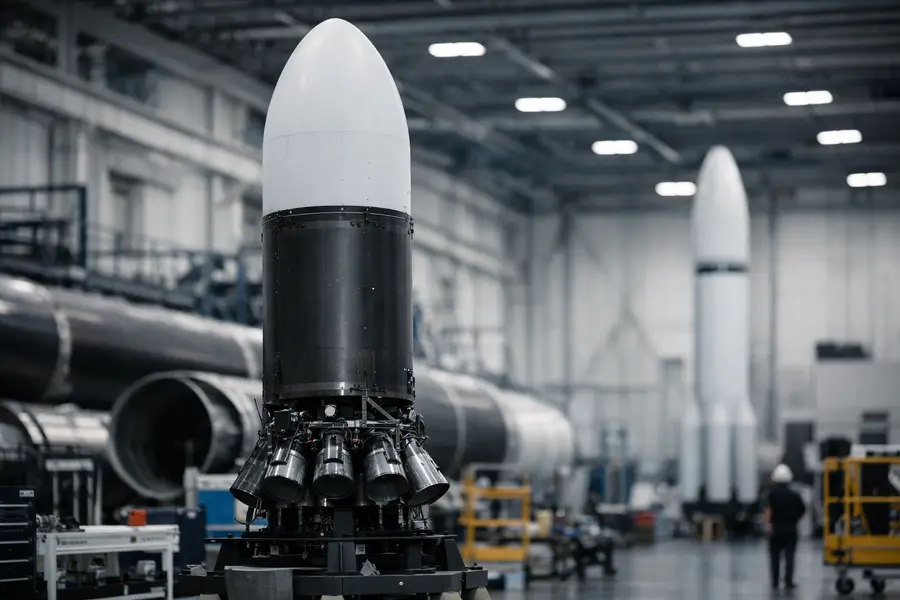
Rocket Lab (RKLB) fell about 10% after pushing Neutron's debut to 2027 on a dome manufacturing defect, leaving Electron and a $2.36B backlog to carry growth.
- Rocket Lab moved Neutron's first launch from Q4 2026 to 2027, and shares fell about 10%.
- A manufacturing defect in the first-stage tank's composite forward dome caused the delay.
- Q2 revenue reached a record $234 million and backlog rose 137% to $2.36 billion.
Lead
Rocket Lab (NASDAQ: RKLB) shares fell about 10% after the company said on Wednesday, October 14, that the first launch of its Neutron rocket will occur in 2027, not in the fourth quarter of 2026 as previously targeted. The company attributed the slip to manufacturing defects in the carbon-composite layers of the forward dome that caps the first-stage propellant tank. The announcement came in a regulatory filing, with further detail in an investor presentation. The stock declined in after-hours and premarket trading, and the losses carried into the following session.What Is Causing the Neutron Delay?
The delay stems from voids, small air pockets, found in the composite forward dome of Neutron's first-stage tank, which weaken the structure. The dome is a load-bearing element of the rocket's design, so it cannot be flown with the flaw. Rocket Lab has not disclosed a specific 2027 launch date or the financial cost of rebuilding the part.
The setback adds to a long run of schedule changes. Neutron was unveiled in 2021 with a first flight targeted for 2024. That moved to mid-2025, then to 2026, then to no earlier than the fourth quarter of 2026 after a first-stage tank ruptured during testing in January 2026. The latest move pushes the debut past the calendar year for the first time.
Why Did Rocket Lab Shares Fall?
Shares fell because Neutron is the centerpiece of the company's plan to move from small satellite launches into the medium-lift market. The reaction was close to 10% across extended trading, and the stock had already been trading with a premium for execution on the new vehicle.
Neutron is a reusable, medium-lift rocket designed to compete with SpaceX's Falcon 9 for larger commercial, government and constellation payloads. Each quarter of delay defers revenue from that segment and extends the period in which the company depends on its smaller Electron rocket and its space systems business. It also gives the incumbent more time to lock in customers.
Strategic Context: What Is Rocket Lab Relying On Meanwhile?
Rocket Lab's near-term results rest on Electron launches and spacecraft manufacturing, both of which are performing. In August the company reported record second-quarter revenue of $234 million, up 62% from a year earlier. Backlog rose 137% to $2.36 billion. Management guided third-quarter revenue to a range of $250 million to $265 million.
That backlog is mostly tied to space systems and Electron contracts, so the Neutron delay does not directly reduce contracted revenue. The effect is on the growth trajectory, the timing of heavier-payload contracts and the capital the company must keep spending on development before Neutron generates revenue.
Does the Delay Change the Competitive Picture?
The delay widens SpaceX's lead in reusable medium-lift launch, but it does not change the structure of the market. Falcon 9 already dominates commercial and government launch cadence, and customers looking for a second provider for larger payloads have few alternatives available before 2027. A further slip beyond 2027 would raise the risk that those customers commit elsewhere.
Rocket Lab's own record is a factor in how the market reads the news. Executives had previously cautioned that Neutron's timeline carried risk, which limited the surprise but not the selling. Investors now have to weigh a fifth schedule revision against a business that is otherwise growing at a 60% pace.
What Comes Next for Neutron and the Stock?
The next milestones are the replacement or repair of the dome, a requalification of the first-stage tank and a return to static fire and structural testing. Each step would give the market a firmer basis for a 2027 date. Third-quarter results, due in the coming weeks, are the next scheduled occasion for management to update spending plans, the Neutron timeline and guidance.
Outlook
Rocket Lab enters 2027 with its largest vehicle still unflown, a defect in a critical structural component and a stock that has lost about 10% on the news. Offsetting that is a record backlog of $2.36 billion, revenue growing above 60% and guidance of $250 million to $265 million for the third quarter. The company's near-term performance depends on Electron cadence and spacecraft deliveries, while the case for its medium-lift ambitions depends on a clean Neutron qualification campaign in the first half of the year.