Pomegra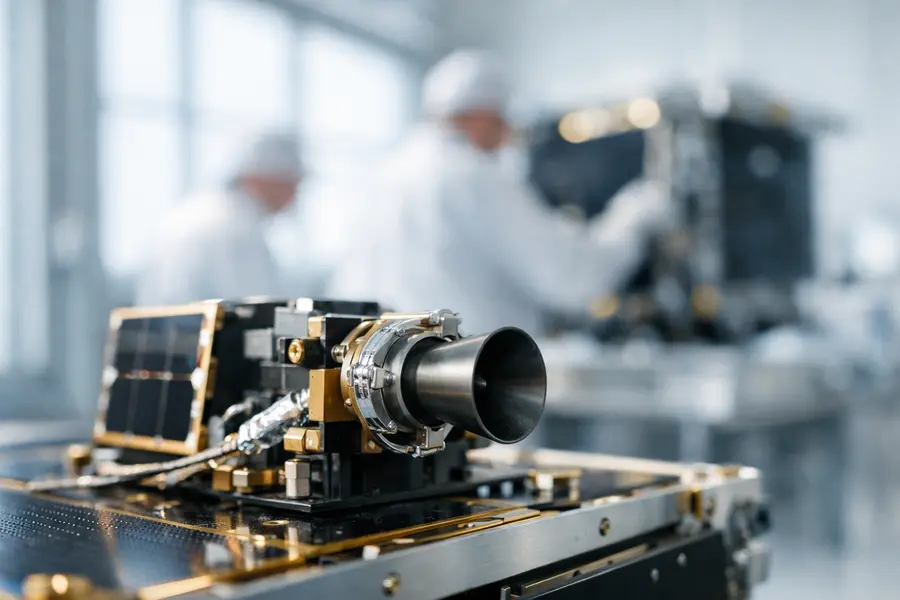
Fortastra closed a $30M Series A led by First In to build maneuverable spacecraft that guard satellites in orbit, after launching two prototypes on October 1, 2026.
Key Takeaways
- Fortastra raised a $30M Series A led by First In, announced October 8, 2026; valuation undisclosed.
- The round follows an $8M seed from December 2025, bringing disclosed funding to $38M.
- Two Watchdog V0 prototypes reached orbit on SpaceX Transporter-18 on October 1.
Lead
Fortastra, a Southern California startup building spacecraft that maneuver beside satellites to inspect and protect them, announced a $30M Series A on October 8, 2026. First In led the round. Upfront Ventures, Space Capital, Rsquared, Side Door Ventures, ATX Ventures and existing investors also participated. The company did not disclose a valuation.
The financing arrives roughly ten months after Fortastra's $8M seed round, which Upfront led in December 2025. Fortastra has 18 employees and expects to more than double headcount over the next 12 to 18 months.
What Does Fortastra Build?
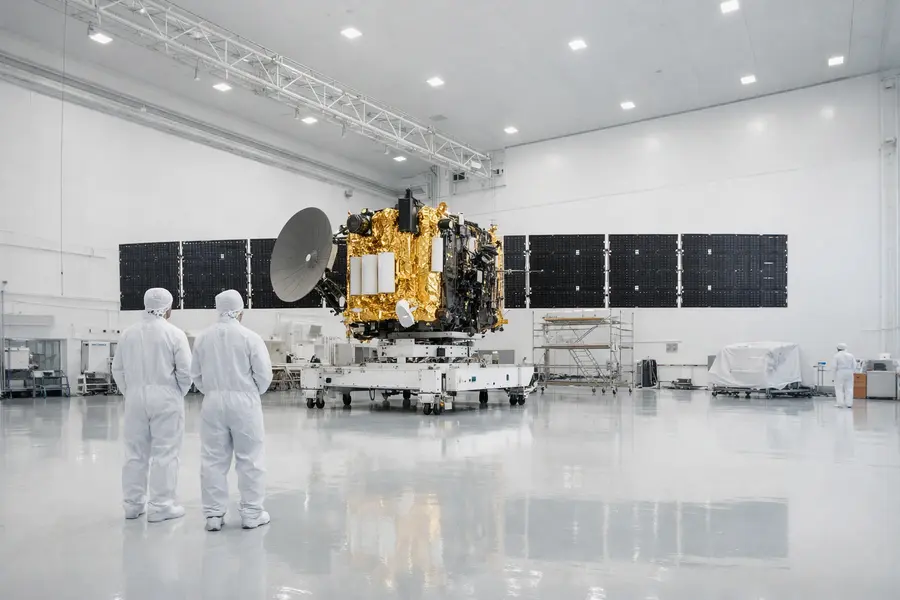
Fortastra builds maneuverable spacecraft that act as an active security layer for satellites and other orbital infrastructure. The vehicles position themselves near a protected asset, monitor and inspect potential threats and, if needed, respond. The company's stated goal is "persistent, multi-orbit security coverage" for the U.S. and its allies.
Its first hardware, a pair of Watchdog V0 prototypes, launched on a SpaceX Transporter-18 rideshare from Vandenberg Space Force Base on October 1. The company has said the vehicles are built for rendezvous and proximity operations, the discipline of flying close to another object without hitting it. Beyond that, Fortastra has not published the full capabilities of the prototypes.
The product competes for attention with a crowded field of space domain awareness providers. Most of those sell observation, either from the ground or from orbit. Fortastra is selling a vehicle that physically accompanies the asset.
Who Is Behind the Company?
Founder and CEO Mike Smayda spent five years at SpaceX working on entry, descent and landing for Falcon 9 and Falcon Heavy. He later co-founded Hermeus, the hypersonic aircraft developer. Fortastra was founded in 2025.
Smayda has framed the business as a matter of basic infrastructure. "Physical security is part of how humanity is going to operate off our surface, just like we do in every other domain," he said.
What Will the Money Pay For?
The Series A funds engineering hiring in flight software, guidance, navigation and control (GNC), and autonomy. It also pays for manufacturing capacity to build a modular spacecraft bus. The next step is a pair of larger prototypes, followed by production at a volume the company describes as mass manufacturing.
Autonomy is the harder problem. A single guardian satellite is a demonstration. A constellation of them, coordinated without a human approving every maneuver, is a product, and it requires software that operators and regulators have not yet been asked to trust at scale.
Why Does This Round Matter for Investors?
The round matters because it prices a security thesis for orbit before any customer revenue is public. Fortastra has not named customers or contracts. A $30M Series A, nearly four times the seed, therefore reflects investor confidence in the team's speed and the demand outlook for defense space, not demonstrated sales.
Speed is the defensible part of the case. The company went from a seed announcement to hardware in orbit in under a year, a pace that few defense hardware startups match. Orbit is also a small test: two prototypes proving close-approach flight is a necessary milestone, not a sufficient one.
The risk is customer timing. Government procurement for on-orbit protection moves slowly, and commercial operators have historically been reluctant to pay for defensive features that insurers do not yet require. Fortastra says it is targeting both government and commercial buyers, which spreads that risk without removing it.
What Comes Next for Fortastra?
The near-term markers are on-orbit results from Watchdog V0, the first signed customer agreements and the design of the larger follow-on prototypes. Hiring will track those results. Another financing would probably hinge on whether Fortastra converts demonstrations into funded programs.
Competition is likely to sharpen as well. Close-proximity operations are no longer exotic, and several well-funded companies already pursue inspection and servicing missions that overlap with Fortastra's technical base.
Outlook
Fortastra enters its Series A year with hardware in orbit, 18 staff, $38M in disclosed funding and no public customers. The next twelve months will show whether on-orbit protection becomes a purchased service or stays a technology demonstration. The answer depends on prototype performance and on whether buyers in government and industry treat satellite defense as a budget line.