Pomegra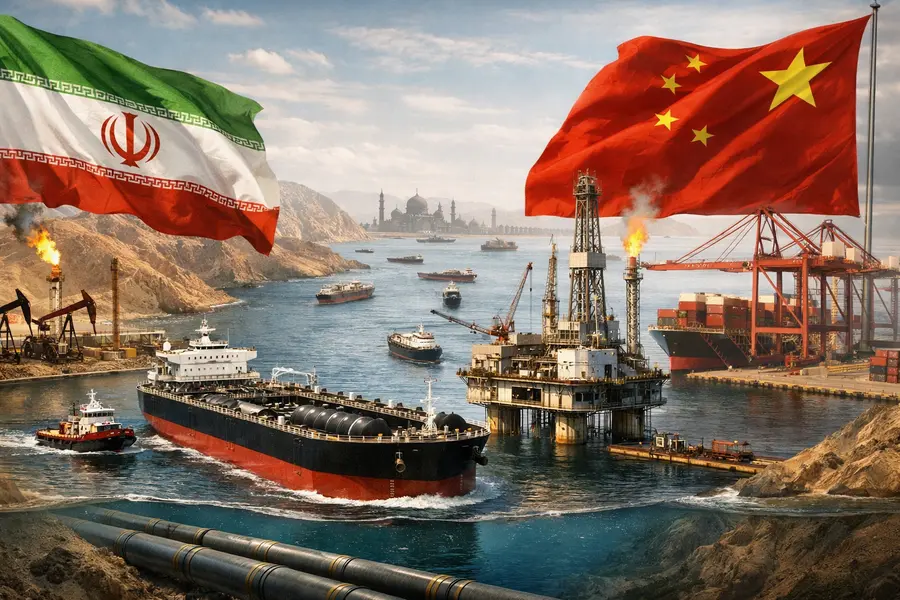
Iran confirms preferential Strait of Hormuz transit terms for China, reshaping global energy shipping as Tehran and Oman finalize a post-conflict fee regime.
- Iran will grant China "special considerations" on Hormuz transit fees, cementing a preferential bilateral framework at the world's most critical oil chokepoint.
- Strait of Hormuz shipping volumes stand at roughly 25 vessels per day, down from a pre-conflict average of 110, as a 60-day no-fee accord expires in early August.
- Washington and Gulf Arab states reject any fee regime as contrary to international law under UNCLOS, while some European governments have adopted a more pragmatic stance.
Lead
BEIJING — Iran's ambassador to China, Abdolreza Rahmani Fazli, confirmed on July 4 at the World Peace Forum in Beijing that China and other "friendly nations" will receive "special considerations" when Tehran sets service fees for transit through the Strait of Hormuz — the chokepoint through which roughly 25% of global seaborne oil flows. The announcement formalizes a preferential dimension in the Iran China Hormuz deal, positioning Beijing as a privileged partner in the post-conflict architecture governing the world's most consequential maritime passage.
What Happened
Speaking at Tsinghua University's World Peace Forum, Ambassador Rahmani Fazli said Tehran would levy fees on ships using the strait to cover the costs of guaranteeing safe passage and managing environmental consequences from four months of active hostilities. "We will definitely have special considerations for China, because China is a friendly country," he said, declining to specify the precise fee structure or the scale of any discount.
The ambassador added that "there will be new arrangements concerning the Strait of Hormuz with the collaboration and cooperation of the state of Oman," framing the governance overhaul as a bilateral Iran-Oman initiative rather than a unilateral Iranian toll regime.
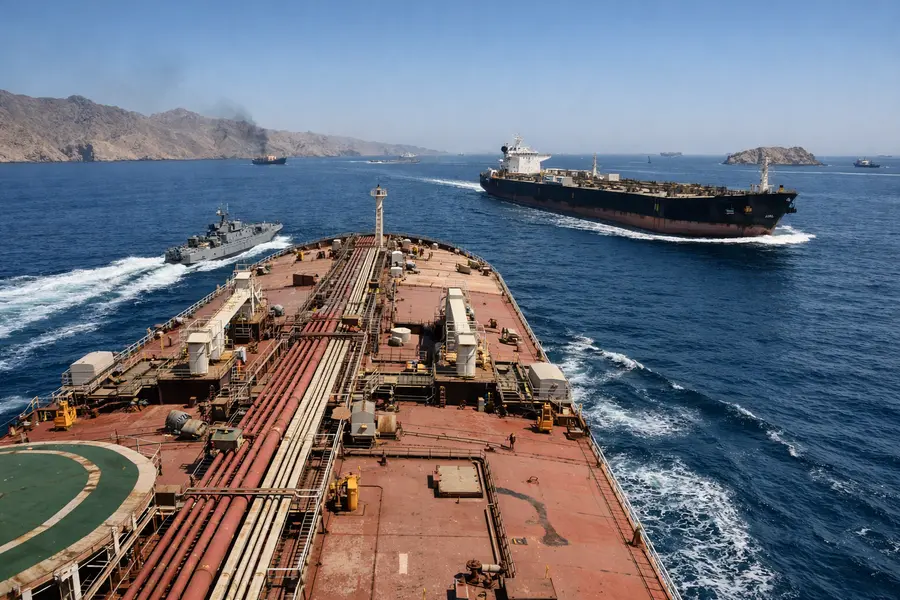
Iran effectively closed the strait when the United States and Israel launched airstrikes against Iranian nuclear and military infrastructure in late February 2026. Tanker traffic collapsed within days, dropping more than 90% from a pre-conflict average of approximately 110 vessels per day to near zero. A framework peace accord signed in early June established a 60-day window guaranteeing "safe passage of commercial vessels with no charge" while permanent arrangements are negotiated. As of early July, transit volumes have recovered to roughly 25 vessels per day — still less than a quarter of normal throughput.
Geopolitical Dimension
The China Iran energy diplomacy calculus is direct: China absorbs almost all of Iran's crude oil exports and is the single largest buyer of hydrocarbons transiting the strait. Asia as a region accounts for approximately 89% of all crude oil moving through the chokepoint, making any disruption to Strait of Hormuz shipping primarily an Asian energy security event before it registers as a Western financial shock.
Beijing leveraged that position throughout the crisis. China's foreign ministry called on July 4 for "unhindered flow" of shipping through the strait, applying parallel diplomatic pressure on Tehran even as Iranian officials announced preferential terms for Chinese vessels. U.S. Treasury Secretary Scott Bessent acknowledged in May that China would "work behind the scenes to the extent anyone has any say over the Iranian leadership" to facilitate reopening.
The preferential framework codifies what had already become operational: Iran agreed in May, following direct requests from China's foreign minister and ambassador, to facilitate passage for Chinese-flagged ships within the framework of the two countries' 25-year strategic partnership.
Strategic and Legal Challenges
The fee regime faces significant international opposition. Under the United Nations Convention on the Law of the Sea, strait states may regulate safety and pollution matters but cannot deny, hamper, or impair transit passage or levy tolls. Secretary of State Marco Rubio stated: "No country is allowed to charge tolls or fees on an international waterway. That's existing international law." President Donald Trump described the concept as "unacceptable."
The Iran-Oman proposal presented to Washington describes the charges as "administrative service fees" rather than tolls — a distinction Tehran insists carries legal weight. Some European governments have adopted a more pragmatic posture, accepting that some form of payment will be required and pressing Iranian and Omani officials to ensure fees are applied without nationality-based discrimination, a direct counterweight to the preferential terms announced for China. Gulf Arab states, several of which export significant volumes through the strait, oppose the fee scheme entirely.
Market Impact
The Middle East geopolitics crisis inflicted the largest single supply disruption in the history of global oil markets. Global oil output fell by an estimated 10.1 million barrels per day in March 2026, driving Brent crude to record its steepest monthly gain in history — approximately 65%, or roughly $46 per barrel. Prices have since partially retreated as the interim accord took hold, with Brent futures trading near $76–$77 per barrel in recent sessions. The World Bank projects Brent will average $86 per barrel for full-year 2026, declining toward $70 per barrel in 2027 as supply chains stabilize. The strait carried approximately 20% of global seaborne LNG before the conflict, extending the disruption well beyond crude oil markets.
What Comes Next
The 60-day no-fee window is set to expire in early August, at which point Iran and Oman are mandated to finalize the operational fee structure. The preferential concessions announced for China introduce a tiered-access dynamic that complicates multilateral negotiations: if Beijing secures discounted transit, pressure will mount from other major Asian importers — including India, South Korea, and Japan — to receive comparable treatment. The outcome will test whether Iran can enforce a fee regime against U.S. and international legal objection, and whether China Iran energy diplomacy can translate bilateral preferential terms into a durable operating framework for the world's most critical energy chokepoint.
Outlook
Iran's confirmation of preferential Strait of Hormuz transit terms for China formalizes a two-tier shipping architecture at one of the world's most critical energy corridors. With the 60-day grace period expiring in August and transit volumes still well below pre-conflict levels, the structural question of who controls — and who pays for — passage through the strait remains unresolved. The answer will carry direct consequences for global energy prices, Asian supply security, and the international law of the sea.
Mentioned tickers: XOM, CVX, BP, SHEL, FRO, STNG, TNK, USO