Pomegra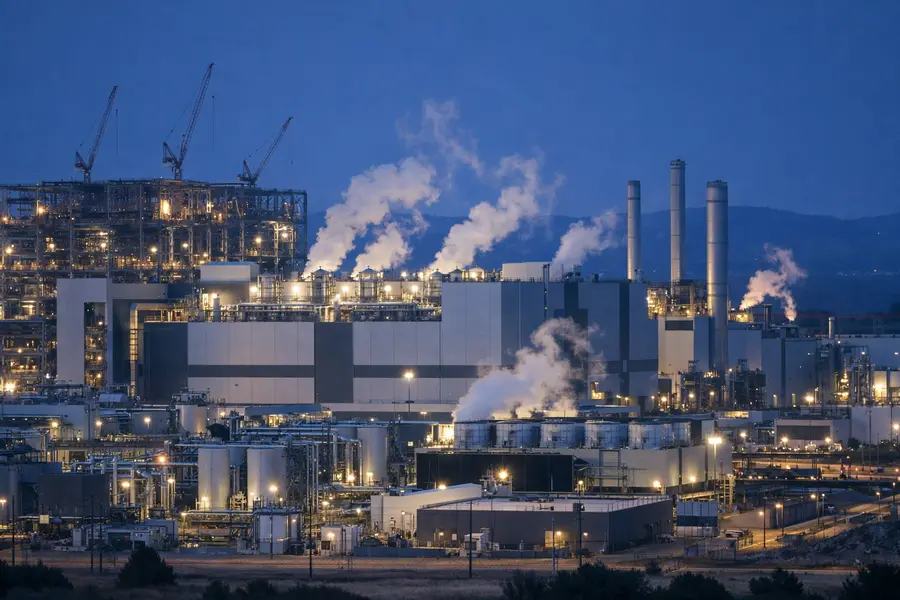
Intel raised $20 billion at $95 per share to fund its chip foundry push, with INTC closing 7.9% above the offer price as markets absorbed 4.8% dilution.
- Intel priced 210.5 million shares at $95, upsizing from $15 billion after orders topped $100 billion.
- The base sale adds 4.2% to pre-offering share count; full underwriter exercise lifts dilution to 4.8%.
- INTC closed at $102.50 on August 14 - 7.9% above the $95 offer - confirming the market absorbed the issuance.
Intel Raises $20 Billion to Fund Chipmaking Push
Intel Corporation (INTC) completed a $20 billion underwritten public share offering on August 12, 2026, pricing 210,526,315 shares at $95 each - the largest U.S. semiconductor equity raise in recent years. The deal was upsized from an initial $15 billion target after institutional demand exceeded $100 billion in orders, roughly seven times the original offering size. Net proceeds after underwriting discounts and commissions totaled approximately $19.7 billion.Why Did INTC Hold Above the Offer Price Despite Dilution?
Shares held above the $95 offer from the first post-offering session, closing at $102.50 on August 14 - 7.9% above offer - as institutional buyers treated the equity issuance as strategic necessity rather than a balance-sheet distress signal. Volume on the August 12 close reached 163.8 million shares, approximately 34% above the three-month daily average, reflecting active institutional price discovery. INTC has gained 175% in 2026, providing a buoyant market backdrop for equity absorption of this scale.
Intel Fab Roadmap and Capital Allocation
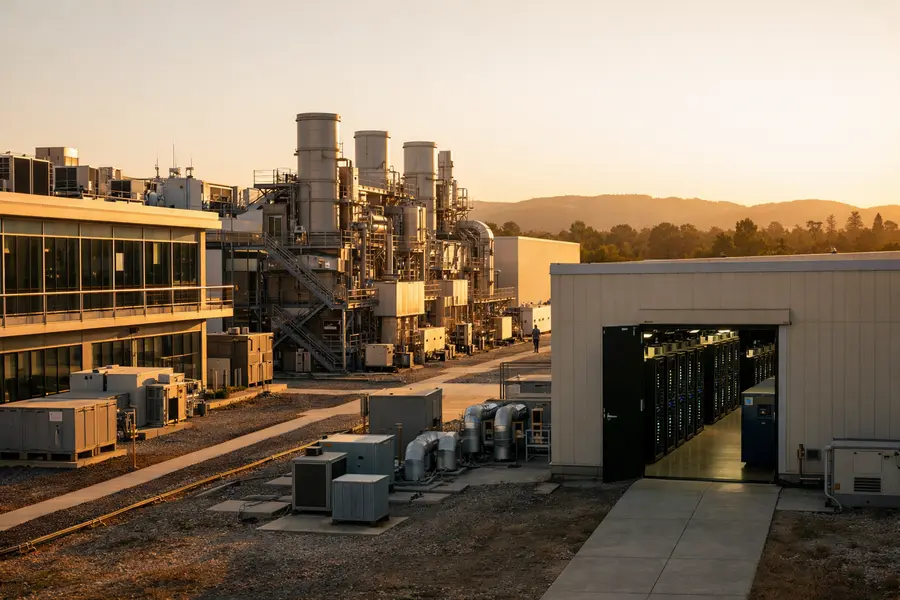
Intel Foundry, the company's contract manufacturing division, is the primary destination for the raised capital. Management raised the 2026 capital expenditure target to above $20 billion from $18 billion, directing funds at factory tooling, advanced packaging lines, and process node qualification. The company has committed to reaching high-volume production on its 14A process node by 2028, with Tesla (TSLA) signed as an anchor customer for that node - lending commercial validation to the foundry timeline.On July 13, 2026, Intel Foundry announced a separate €5 billion investment at its Leixlip campus in County Kildare, Ireland, upgrading fabrication facilities for Intel Xeon 6 and next-generation server processors, extending the intel fab buildout across two continents.
What Does 4.8% Dilution Mean for Existing Shareholders?
At the base deal, the 210.5 million new shares represent a 4.2% increase to Intel's approximately 5.043 billion shares outstanding as of June 27. Full exercise of underwriters' 30-day option for an additional 31.6 million shares pushes dilution to 4.8%. INTC fell 4.1% on the announcement date before recovering; subsequent performance above the offer price indicates the market viewed the dilution as an acceptable trade-off given the scale of manufacturing capacity being funded.
Strategic Context
The offering positions Intel as a credible domestic alternative to TSMC at a time when U.S. industrial policy is actively supporting onshore advanced chip capacity. Artificial intelligence infrastructure demand has tightened global fabrication supply, making leading-edge node access a bottleneck for AI chip vendors. Intel's willingness to absorb near-term shareholder dilution in exchange for multi-year manufacturing scale reflects a calculated bet that fab capacity - not chip design - will be the primary constraint in the next phase of the AI infrastructure build-out.
Outlook
With $19.7 billion in fresh capital, Intel enters the second half of 2026 with the resources to advance its 14A node to commercial readiness, scale Intel Foundry operations, and compete for AI accelerator manufacturing contracts. The strategic payoff depends on whether the company converts current foundry bookings into production revenue before the next technology cycle resets competitive dynamics in advanced chip manufacturing.