Pomegra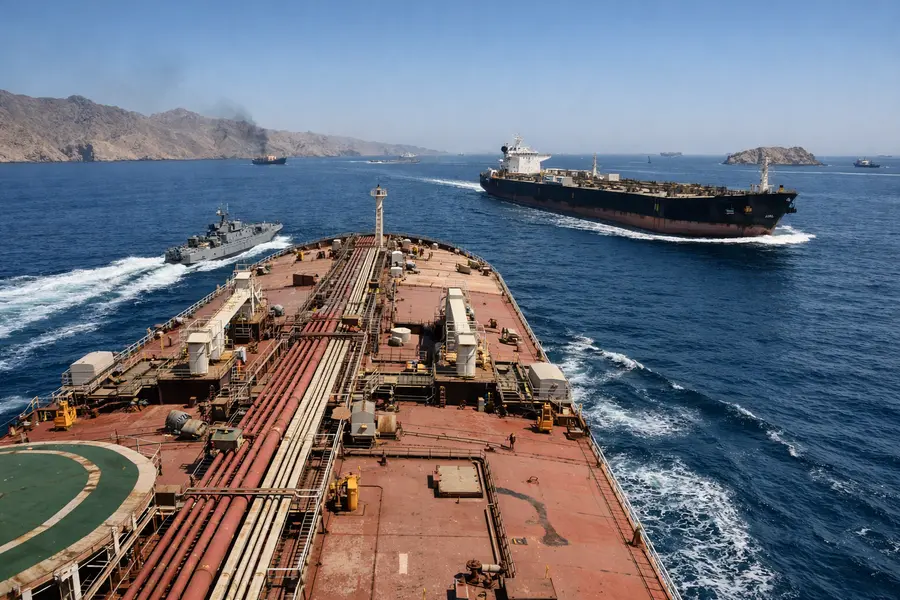
Iran-linked strikes have hit at least six ships near the Strait of Hormuz since Sept. 28, even as Gulf crude exports climbed back above pre-war levels.
- At least six vessels have been struck near Hormuz since Sept. 28, with at least one attack a day reported since Oct. 2.
- Middle East crude exports rose above the roughly 18 million bpd pre-war average, with about 40% of volumes bypassing the strait.
- Brent traded near $102 a barrel on Oct. 5, with a Brent-WTI spread above $11.
Lead
Attacks attributed to Iran have struck at least six commercial ships in and around the Strait of Hormuz since Sept. 28. The pace has not slowed the recovery in Gulf oil shipments. Seven-day average crude exports from the region reached roughly 18.3 million to 18.5 million barrels per day at the end of September and the start of October. That is above the pre-war average of about 18 million barrels per day. On Oct. 5 Brent traded near $102 a barrel. The result is a market in which physical flows have normalized faster than the security situation behind them.
What Is Happening Near the Strait of Hormuz?
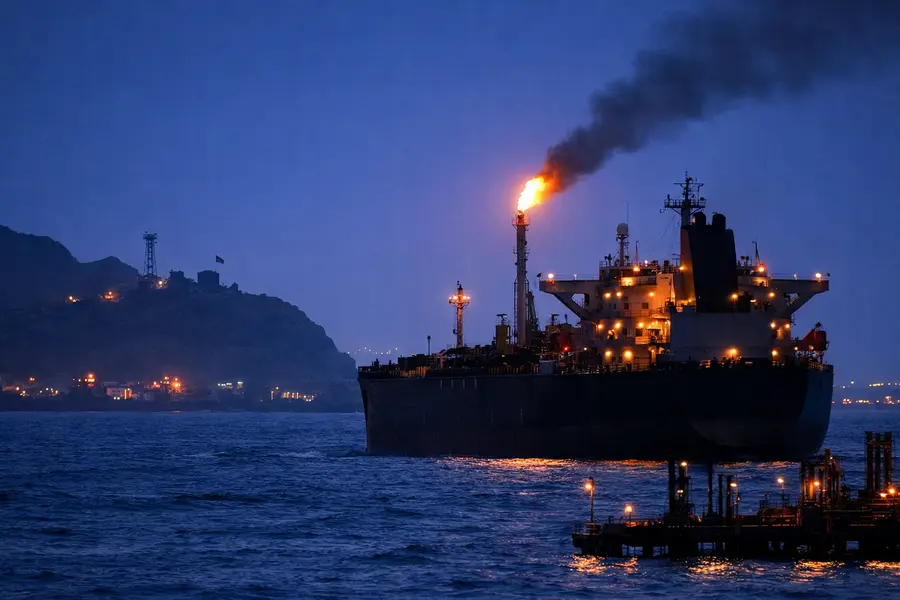
Ships are being hit by drones, missiles and unidentified projectiles on a near-daily basis. Three vessels were struck on Sept. 29. The Kuwaiti very large crude carrier Kazimah III was hit by a projectile on Oct. 1 and caught fire. The Aframax tanker Lipsi suffered engine-room damage on Oct. 4. Maritime security monitors have logged at least one attack a day in the strait or the Gulf of Aden since Oct. 2.
Iranian state-linked media have said the Revolutionary Guard navy is targeting more than one tanker a day. They describe the targets as vessels violating Iranian restrictions. At least 13 ships have been struck since Sept. 10, most of them oil tankers. Western security officials count roughly 30 drone attacks and 10 anti-ship missile launches a week since early August, many of which miss.
Why Are Gulf Oil Exports Rising Despite the Attacks?
Exports are rising because the Gulf's biggest producers have found ways around the strait and have gained some protection inside it. Roughly 40% of Middle East crude now bypasses Hormuz, and most of what crosses the strait changes tankers offshore. Saudi Arabia led the rebound. After a pipeline attack on Sept. 10, it loaded more crude from both its Red Sea and Gulf terminals, and its East-West pipeline kept running. Pipelines in the United Arab Emirates carried additional volumes.
Within the strait, a U.S. military operation guides ships along routes through Omani territorial waters, with fighter jets and attack helicopters providing cover. Exports exceeded pre-war levels on 14 days in September. Gas shipments also recovered, with liquefied natural gas exports reaching their highest level since February. The strait normally carries about 125 large vessels a day and roughly 20% of global crude and LNG supply.
The recovery is uneven. Iran's own exports remain constrained, and the headline figure does not mean flows through the strait itself have returned to normal.
How Is the Crude Oil Price Responding?
The crude oil price remains elevated but has stopped rising. Brent closed below $100 on Friday for the first time in several sessions as higher loadings eased supply fears. It recovered to about $102.3 on Monday, up 0.07%. WTI slipped about 0.5% to roughly $90.65. The Brent-WTI spread above $11 reflects the risk premium on seaborne crude exposed to maritime disruption. Dubai-linked Murban crude, the benchmark for Asian buyers, traded near $110.
Prices are well below the late-March peak of about $118. They are still far above the roughly $70 reached in early July, before renewed attacks lifted the market back above $100. Tanker shortages, higher insurance costs, longer voyages and surging freight rates for very large crude carriers add to delivered costs for Asian refiners even when the barrels arrive.
Geopolitical Dimension
The war began on Feb. 28 with a U.S.-Israeli campaign against Iran. Diplomacy has stalled. Washington has rejected Iran's conditions for reopening the strait. Tehran insists that a June memorandum of understanding be the baseline for talks and refuses direct negotiations. A planned round of talks between Tehran and its neighbors was postponed after a strike on an Iranian cargo ship.
The Pentagon has announced no retaliatory strikes since early September. Iran has used that restraint to argue that Washington has not responded. For Tehran, harassment of shipping is a low-cost source of leverage. The attacks keep insurance premiums high and keep the risk premium in crude prices, without a full closure that would invite escalation.
What Comes Next for Oil Flows?
The near-term path depends on whether escorted and bypass routes can absorb continued attacks. If Gulf exports hold near 18 million barrels per day, Brent is likely to stay in a range set by the risk premium, not by physical shortage. A strike that disables a large crude carrier, closes a pipeline terminal or kills crew members could push prices sharply higher and strain the escort model. A diplomatic breakthrough would remove the premium but is not in prospect, given the positions on both sides.
For importers in Asia and Europe, the structural change is the shift toward pipelines and Red Sea loading, which relies on infrastructure that is itself a target.
Outlook
Gulf exports have recovered to pre-war levels through rerouting and naval protection, while Iran-linked attacks on ships continue at close to a daily pace. Brent near $102 prices in that tension. The next three to twelve months will turn on whether the bypass network holds, whether the U.S. escort operation expands, and whether stalled talks resume.