Pomegra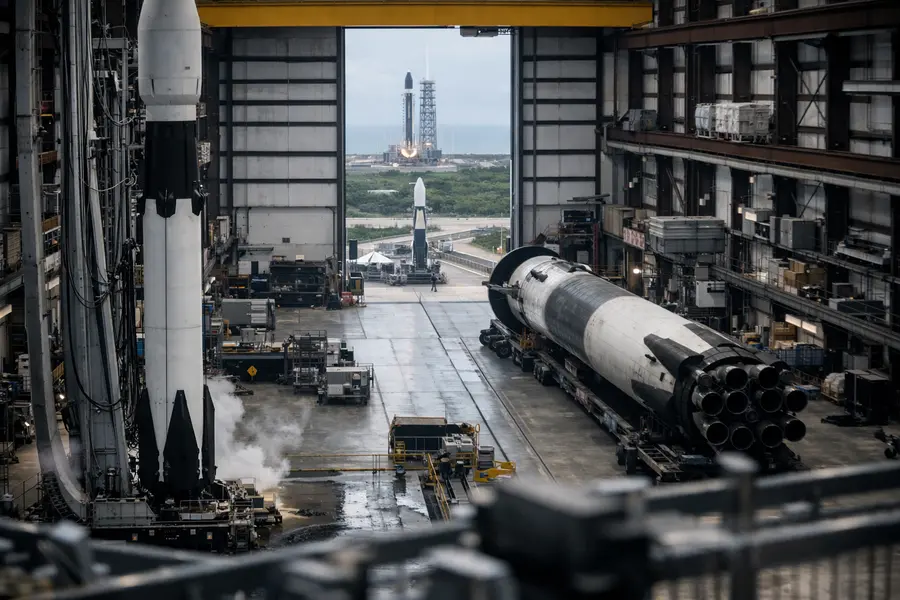
SpaceX (SPCX) rose 7.4% to $158.96 after Crew-13, Transporter-18 and NROL-97 launched within 13 hours, carrying Google's first orbital AI test satellite.
- SPCX gained $10.89, or about 7.4%, to close at $158.96 on Friday, October 2, 2026.
- Crew-13 reached the ISS in about 8 hours, the fastest Crew Dragon trip yet to the station.
- Google's Project Suncatcher prototype, with four TPUs, flew on Transporter-18.
Lead
SpaceX (Nasdaq: SPCX) shares climbed more than 7% on Friday, closing at $158.96, after the company flew three missions in under 13 hours. The launches carried four astronauts to the International Space Station, a classified U.S. intelligence payload and the first orbital experiment from Alphabet (GOOG). The close sits about 18% above the $135 IPO price from June 12 and just below the $161 first-day close.What Happened Across the Three Launches?
SpaceX flew a crewed mission, a rideshare mission and a national security mission in a single operating window.
Crew-13 lifted off on a Falcon 9 from Cape Canaveral at 15:10 UTC on October 1. Commander Jessica Watkins and pilot Luke Delaney of NASA flew with mission specialists Joshua Kutryk of the Canadian Space Agency and Sergey Teteryatnikov of Roscosmos. The capsule docked at 7:05 p.m. EDT, about 8 hours after launch. The crew is scheduled to stay aboard for roughly six months. Transporter-18 flew from Vandenberg Space Force Base in California on a separate Falcon 9. The rideshare mission deployed 130 payloads to low-Earth orbit. NROL-97 flew for the National Reconnaissance Office on a Falcon Heavy. SpaceX recovered booster hardware from the mission for reuse.Why Did SPCX Shares React This Way?
Shares rose because the cadence showed that reusable hardware can support several distinct customer types at once, which underpins launch margins. The prior close was $148.07, so Friday's move erased several sessions of drift.
The three missions served NASA, a government intelligence customer and commercial small-satellite operators. That mix matters for a company valued at roughly $2 trillion, where investors weigh launch, satellite connectivity and emerging AI infrastructure businesses together.
What Is Google's Project Suncatcher Test?
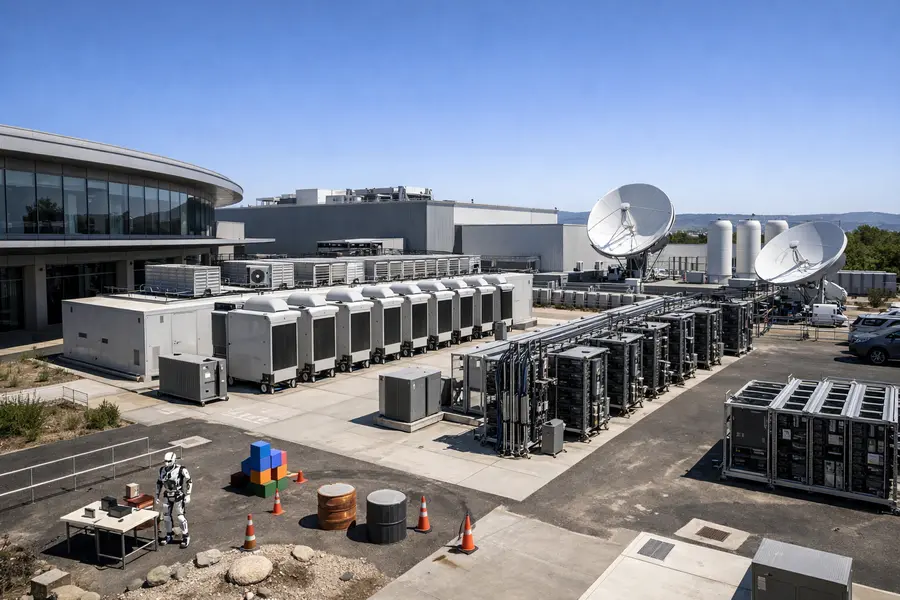
Project Suncatcher is Alphabet's effort to test solar-powered AI computing in orbit. Its first prototype is a refrigerator-sized satellite with four Tensor Processing Units, Google's in-house AI chips. They offer the compute of a standard Google Cloud TPU v6e-4 slice.
Solar panels supply about 1 kilowatt of power. The chips are designed to run short Gemini queries in windows of roughly 15 minutes and then shut down to cool. The mission will assess how the hardware handles launch stress, radiation and extreme temperatures. It will also test a new thermal system, since space offers no airflow for heat dissipation.
For SpaceX, the payload ties launch demand to the AI infrastructure build-out. Orbital compute concepts depend on low-cost, frequent access to orbit, which is the service SpaceX supplies.
How to Buy SpaceX Stock?
SpaceX stock trades as SPCX on the Nasdaq and is available through standard brokerage accounts. The company raised a record $85.7 billion in its June IPO, selling Class A shares at $135 each under lead underwriters Goldman Sachs and Morgan Stanley. The stock closed at $161 on its first day, up 19%, for a market value near $2.1 trillion.
Strategic Context
Launch frequency is now a core operating metric for SpaceX. Three missions in 13 hours, using two Falcon 9 vehicles and one Falcon Heavy, show pad turnaround and recovery logistics at scale. Crew-13's 8-hour transit to the station also shortens the crewed-flight timeline.
For Alphabet, Suncatcher is a small, low-cost test. It gives the company flight data on whether space-based accelerators can operate reliably before it commits to larger constellations.
Outlook
SPCX now trades between its IPO price and its debut close, with Friday's gain reflecting execution rather than new financial disclosure. The next signals will come from Suncatcher's performance data, Crew-13's six-month station stay, and the launch cadence through the fourth quarter. Operational consistency, more than any single mission, will shape how the market values the world's most active launch provider.
Mentioned tickers: SPCX, GOOG