Pomegra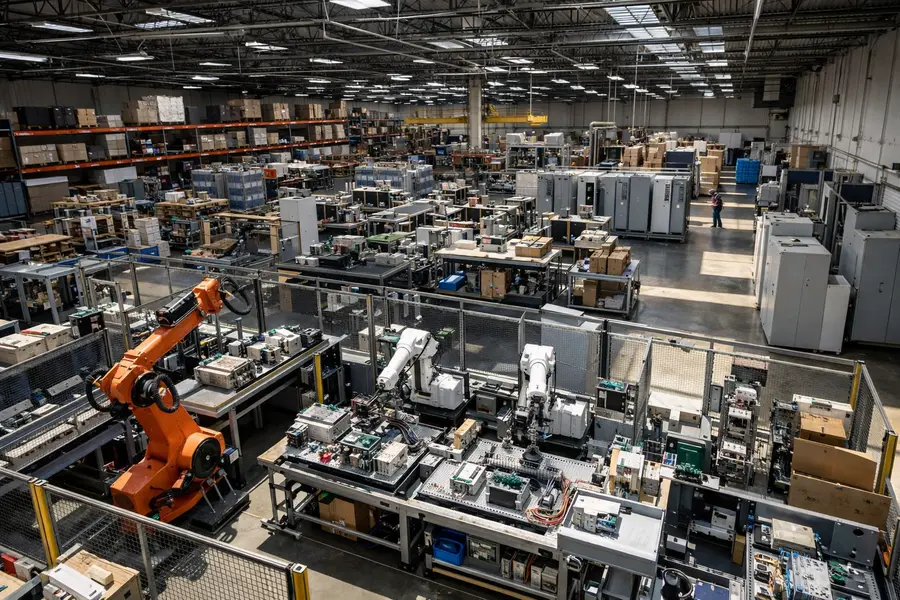
Schneider Electric agreed to buy PTC for $22.6 billion in cash at $205 a share, a 42% premium, but its own stock fell 7.6% on financing and valuation concerns.
- Schneider will pay $205 a share in cash, a 42.3% premium to PTC's $144.03 close, for an equity value of about $22.6 billion.
- PTC shares jumped on the offer; Schneider closed down about 7.6% as investors weighed leverage and a 21x earnings multiple.
- Funding combines €5-6 billion of new equity and €16-17 billion of debt; closing is targeted for the third quarter of 2027.
Lead
Schneider Electric (EPA: SU) agreed on Monday, October 5, 2026, to acquire Boston-based industrial software group PTC (NASDAQ: PTC) for $205 a share in cash. The offer values PTC's equity at about $22.6 billion (€20.1 billion) and its enterprise value at $23.7 billion. It is the largest acquisition in the French group's history. PTC shares rose sharply toward the offer price, while Schneider fell from a Friday close of €303 and finished the session down about 7.6%.What Did Schneider Electric Agree to Buy?
Schneider is buying a profitable, subscription-driven software business that sits at the center of discrete manufacturing. PTC's products cover computer-aided design, product lifecycle management, application lifecycle management and service lifecycle management. It has more than 30,000 customers worldwide.
PTC generated about €2.4 billion in revenue in 2025 at an adjusted EBITA margin near 40%. Schneider expects annual growth of roughly 10% through 2029.
The price is 42.3% above PTC's last close and 46.1% above its 30-day volume-weighted average price. Both boards approved the transaction unanimously. PTC's board will recommend that shareholders vote in favor.
Why Did Schneider Electric Shares Fall?
Schneider shares fell because investors judged the price high and the funding heavy. The offer equals about 21 times PTC's expected 2027 adjusted EBITA before synergies, or 13 times once cost savings are included. It also sits above the average analyst price target for PTC of about $174.
The financing adds to the pressure. Share issuance of up to €6 billion will dilute existing holders. The buyback programme will be cut: €600 million is planned for 2026, with repurchases paused in 2027 and 2028 and €2.5-3.5 billion targeted through 2030.
How Will Schneider Pay for the PTC Deal?
Schneider will fund the roughly €22 billion total consideration with €5-6 billion of new equity through an accelerated bookbuild offering and €16-17 billion of multi-currency debt. A committed bridge facility from two banks backs the transaction until permanent financing is in place.
The company said it intends to keep its Category A credit ratings and maintain its progressive dividend policy, which has a 16-year record. It also plans a disposal programme covering €1.0-1.5 billion of revenue through 2030.
On returns, Schneider expects low single-digit earnings-per-share accretion in the first year before purchase price accounting. Including synergies, it expects mid-to-high single-digit accretion. Return on capital employed is targeted to exceed the cost of capital by year five.
Strategic Context
The acquisition extends Schneider's shift from electrical equipment toward software and artificial intelligence. Its existing industrial software unit, AVEVA, focuses on process industries, energy and operations data. PTC adds product and engineering data. Together they form what chief executive Olivier Blum called "the industry's most complete Software & AI powerhouse."
Schneider says the combination links design, build, operate and maintain data into a single digital thread and expands its addressable software market about threefold. It targets €250 million of annual cost synergies by year three and about €800 million of revenue synergies. It has also proposed an acquisition of Cognite to strengthen its AI capabilities.
PTC chief executive Neil Barua described the deal as an opportunity to widen the reach of the company's intelligent product lifecycle strategy.
What Happens Next for the Deal?
The transaction needs a PTC shareholder vote and regulatory clearances before it can close, which Schneider expects in the third quarter of 2027. The roughly 12-month window leaves PTC holders exposed to deal risk, and the offer price is likely to anchor PTC's trading in the meantime. PTC has moved its third-quarter results release to October 16, 2026.
For Schneider, the near-term test is execution on financing. The equity raise and debt issuance must be completed without pressure on its credit ratings. Over a longer horizon, the question is whether cross-selling between AVEVA and PTC delivers the revenue synergies that justify a 21x entry multiple.
Outlook
The deal commits Schneider to a software-led strategy at a high price and with heavy funding. Investors rewarded PTC's holders and penalized Schneider's, a split typical of large premium takeovers financed with debt and new shares. Regulatory review, the equity raise and early signs of synergy delivery will determine whether Schneider's shares recover the ground lost on announcement.