Pomegra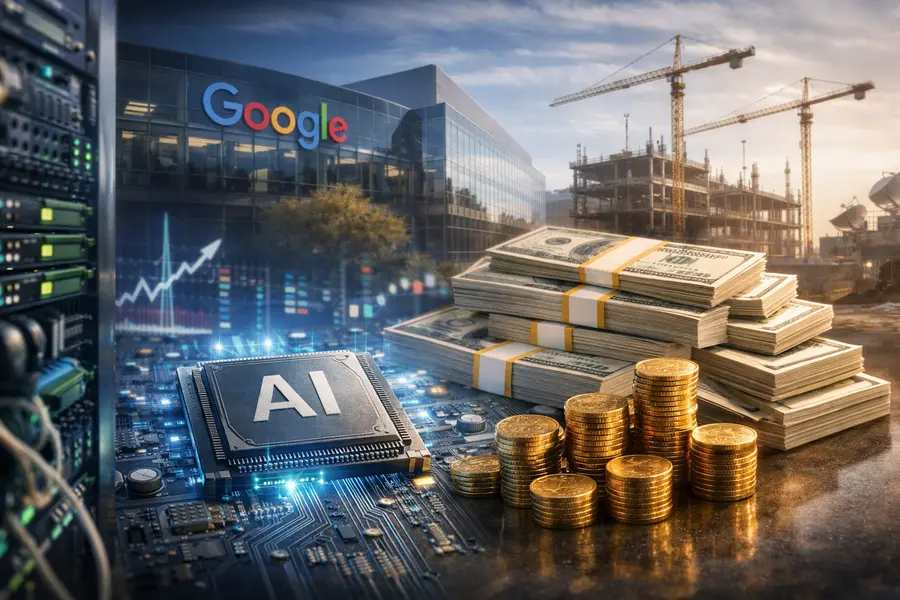
Alphabet's Q2 2026 earnings arrive today with analysts expecting $117 billion in revenue and a historic AI capital expenditure program doubling last year's spending pace.
- Alphabet raised 2026 capex guidance to $180–$190 billion, more than double the $91.4 billion deployed in 2025.
- Google Cloud posted $20.03 billion in Q1 revenue, up 63% year-over-year, with a $462.3 billion contracted backlog.
- Analysts project Q2 revenue of $116.53–$117.01 billion and EPS of $2.87–$2.89, with a "Strong Buy" consensus across 64 covering firms.
Lead
Alphabet (GOOGL) reports second-quarter 2026 results on July 22, with investors bracing for the highest capital expenditure total in the company's history. The Mountain View-based technology conglomerate has raised full-year capex guidance to $180–$190 billion — nearly doubling the $91.4 billion deployed across all of 2025 — as the company accelerates spending on artificial intelligence infrastructure at a pace that is reshaping the economics of the global technology sector.What Happened
Alphabet entered 2026 with elevated capex targets and widened them again in April following a first quarter in which it deployed $35.7 billion, predominantly on AI data centers, custom silicon, and network capacity. A second-quarter spend of approximately $36 billion, consistent with internal guidance, would bring first-half 2026 infrastructure investment to roughly $71.7 billion.
The scale of commitment prompted a historic capital markets transaction in June 2026, when Alphabet completed an $84.75 billion equity raise — the largest single equity capital transaction in corporate history — to fund the multi-year AI buildout. CFO Anat Ashkenazi has stated that 2027 capex will "significantly increase" beyond the 2026 levels, though no specific figure has been disclosed ahead of tonight's call.
GOOGL AI Capex in Competitive Context
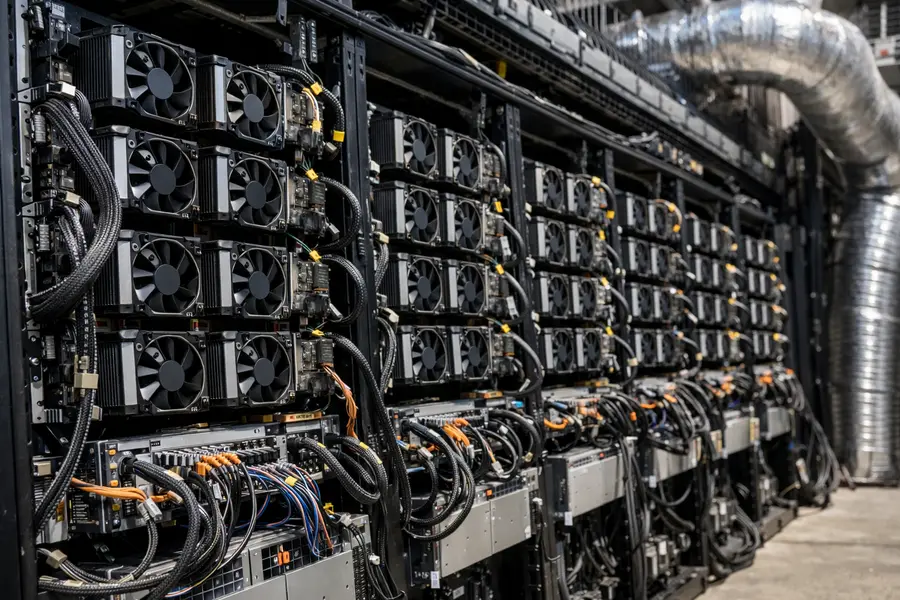
GOOGL AI capex now positions Alphabet alongside Microsoft (approximately $190 billion guided for 2026) and Amazon (approximately $200 billion) at the summit of global technology infrastructure investment. Meta Platforms trails at a revised $115–$145 billion. Collectively, the four hyperscalers are on track to deploy roughly $725 billion in 2026 — a 77% increase over the $410 billion spent across the group in 2025 — with spending concentrated in AI data centers, Nvidia GPU clusters, custom accelerators, and power systems. Google's differentiation lies in the commercialization of its proprietary Tensor Processing Units. The seventh-generation TPU "Ironwood," which reached general availability in April 2026, delivers 42.5 FP8 ExaFLOPS per full pod — ten times the throughput of its predecessor. Google unveiled its eighth-generation TPU in July 2026, with commercial sales expected to generate material external revenue by 2027. Alphabet has committed to producing approximately one million TPU chips in 2026, with production forecasts for the following cycle revised upward to roughly four million units.Google Cloud and Earnings Outlook
The investment rationale centers on Google Cloud, whose $20.03 billion Q1 2026 revenue — up 63% year-over-year — provided the clearest evidence yet that AI infrastructure spending is translating into enterprise revenue at scale. Generative AI-related product revenue grew approximately 800% year-over-year in Q1, and CEO Sundar Pichai noted that demand continued to outstrip available compute capacity. The cloud unit's contracted backlog stands at $462.3 billion, more than ten times full-year 2025 cloud revenue of $43.2 billion, providing multi-year revenue visibility that underpins the aggressive capex stance.
Analysts forecast Q2 cloud revenue of $22.8 billion, representing approximately 67% year-over-year growth. For the consolidated group, the consensus calls for Q2 revenue of $116.53–$117.01 billion, up roughly 21% year-over-year, and EPS of $2.87–$2.89. Alphabet has beaten earnings expectations in each of the past 13 consecutive quarters, with an average EPS surprise of 34.43% over the prior four periods.
Google stock trades near $349–$367, posting a year-to-date gain of approximately 14% while remaining around 12% below its 52-week high. A 5% dividend increase announced in July reflects confidence in cash generation even as capex expands. The average 12-month analyst price target across 64 covering firms stands at $433.14, implying roughly 25% upside from current levels.Alphabet Earnings Preview: What Investors Are Watching
Beyond headline revenue, the Alphabet earnings preview narrative for Q2 2026 centers on three variables. First, whether Google Cloud sustains growth above 60% as prior periods' capacity constraints ease. Second, the return-on-investment trajectory for the $180–$190 billion capex program — specifically whether AI monetization, including TPU commercialization and Gemini-native enterprise products, is accelerating toward a timeline that justifies the spend. Third, any updated disclosure on 2027 capex, where CFO language points to further escalation.
Gemini, now reaching 900 million monthly app users as of Google I/O 2026, anchors the consumer-facing AI narrative, while enterprise adoption of AI products across Google Cloud's customer base — 75% of which now uses at least one AI product — underpins the institutional investment case.Outlook
The tech earnings 2026 cycle's defining question — whether hyperscaler AI capex produces commensurate revenue returns — arrives at a pivotal moment for Alphabet. With $462 billion in cloud backlog, a proprietary silicon roadmap extending through at least two more TPU generations, and analyst consensus firmly bullish, the company enters its Q2 report from a position of operational momentum. The degree to which tonight's results and forward guidance narrow the gap between infrastructure outlay and monetization will set the tone for GOOGL heading into the second half of the year.
Mentioned tickers: GOOGL, MSFT, AMZN, META, NVDA