Pomegra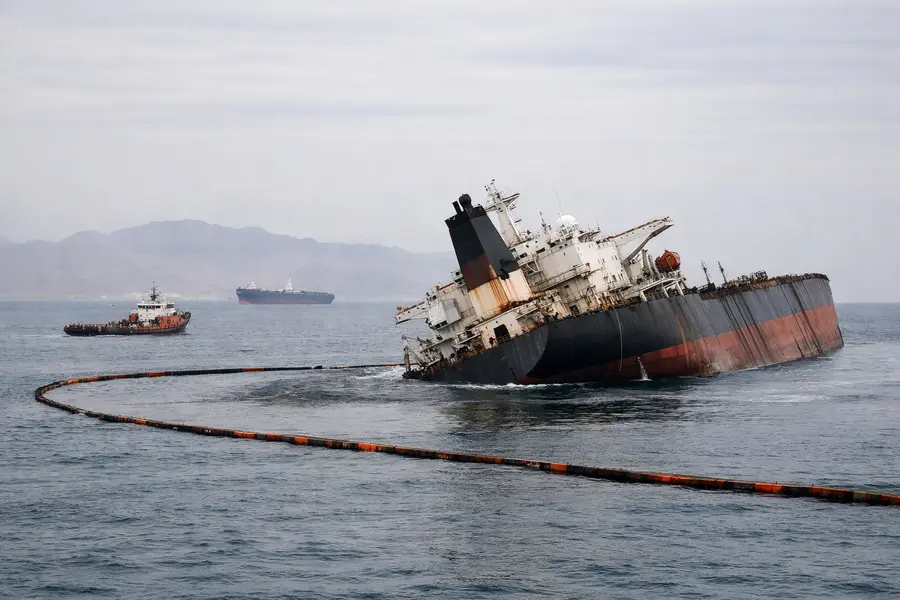
The GFS Pride sank in the Strait of Hormuz and a second Singapore-flagged ship was hit, pushing Brent near $106 weeks before the US midterm elections.
- The Singapore-flagged GFS Pride sank after a projectile strike; all 21 crew were evacuated safely.
- Sister ship GFS Giselle was also hit and reached anchorage under its own power.
- Brent held near $106 a barrel and US crude rose about 3% to $97.97 as supply fears grew.
Lead
The GFS Pride, a Singapore-flagged container ship of about 2,800 TEU, sank in the Strait of Hormuz after it was struck by an unidentified projectile on Tuesday, catching fire before going down. All 21 crew members were evacuated without injury. A second Singapore-registered vessel, the GFS Giselle, was hit within hours, sustained hull damage and reached a safe anchorage with its 22 crew aboard. Both ships are operated by Emirati firm Global Feeder Shipping. The attacks come 19 days before the November 3 US midterm elections, with fuel costs already a central political issue.
What Happened to the GFS Pride?
The GFS Pride was transiting the strait when it was struck, caught fire and sank, according to the Maritime and Port Authority of Singapore. It is the second ship confirmed sunk since the US-Iran war began on February 28.
Responsibility is disputed. Iran's Islamic Revolutionary Guard Corps said the vessel hit a naval mine while using an unauthorised route and offered no evidence. Maritime security sources attributed the sinking to a projectile. Singapore condemned the strikes as unprovoked, unjustifiable and a breach of international law.
Reuters-reported accounts also describe a second cargo ship sinking within 24 hours in a separate incident, which points to a broader pattern rather than a single event.
How Severe Is the Surge in Attacks?
Attacks are at their highest tempo since the conflict began. More than 20 vessels, mostly oil tankers, have come under fire this month in the strait, the Persian Gulf and the Gulf of Oman. Six ships were struck on October 11 alone. At least 24 seafarers have died since the war started.
Iran has said it is stepping up strikes in response to the US blockade of its ports and tougher sanctions introduced last month. US Central Command maintains that American forces and regional partners control the strait, yet traffic remains well below the 130 to 140 vessels that crossed daily before the war. The seven-day average flow of oil is roughly 43% below pre-conflict levels. Before the war, about one-fifth of the world's oil supply moved through the waterway.
Why Did Oil Prices React This Way?
Crude held at elevated levels because the sinking showed that attacks are now destroying hulls, not just damaging them. Brent for December delivery settled at $105.92 a barrel on Thursday, down 14 cents, after touching $107.09 following the strikes. West Texas Intermediate for November rose $2.88, or about 3%, to $97.97.
The crude oil price also carries a regional risk premium. A ballistic missile attack attributed to Houthi forces hit an administrative building at Saudi Aramco (2222.SR) headquarters in Dhahran on Tuesday night, causing a limited fire and no casualties. The International Energy Agency has warned that fresh attacks on Saudi infrastructure could derail the recovery in global oil supply, with diesel tightness possibly extending into next year.
Policy responses are under way. IEA member nations pledged to complete the release of 100 million barrels from emergency stocks, and Washington is weighing easing sanctions on some oil-carrying vessels to lower shipping costs and widen supply.
What Does This Mean for Shipping and Insurance?
Container lines and tanker owners face higher war-risk costs and a shrinking pool of willing vessels. Tanker rates sit at or near record levels, according to US Energy Information Administration assessments. Repeated strikes on neutral-flagged ships, including those from Singapore, one of the world's largest registries and a major transshipment hub, widen the exposure beyond belligerent-linked cargoes.
Cargo owners reportedly scrambled to recover or reroute boxes from the stricken ship, a sign that insurers and shippers are treating the loss as a precedent for total-loss claims in the strait.
Political Dimension
The timing matters in Washington. Fuel prices have become a campaign variable, and an escalation that lifts pump prices weeks before voters go to the polls raises the political cost of the blockade and sanctions policy. Iranian leaders have little incentive to ease pressure while the strait remains their main source of leverage. Any US decision to ease sanctions on tankers will be read as much through an electoral lens as an energy one.
What Comes Next for the Strait of Hormuz?
Near-term outcomes depend on three variables: whether attacks continue at the current pace, whether naval escorts can restore meaningful transit volumes, and whether the sanctions relief under discussion materialises. A continued run of sinkings would likely keep Brent above $100 and push freight and insurance costs higher through year-end. A negotiated pause or credible escort regime could remove part of the risk premium, though physical flows would take weeks to normalise.
Outlook
The sinking of the GFS Pride moves the Hormuz crisis from harassment to destruction of merchant ships, with a second Singapore-flagged vessel damaged in the same wave. Oil near $106 reflects both constrained flows and fears of attacks on Gulf infrastructure. With the midterms on November 3, energy supply, shipping security and US politics are now tightly linked, and the next three to twelve months will turn on whether Washington and Tehran find a way to reopen the waterway or let the attacks widen.
Mentioned tickers: 2222.SR