Pomegra
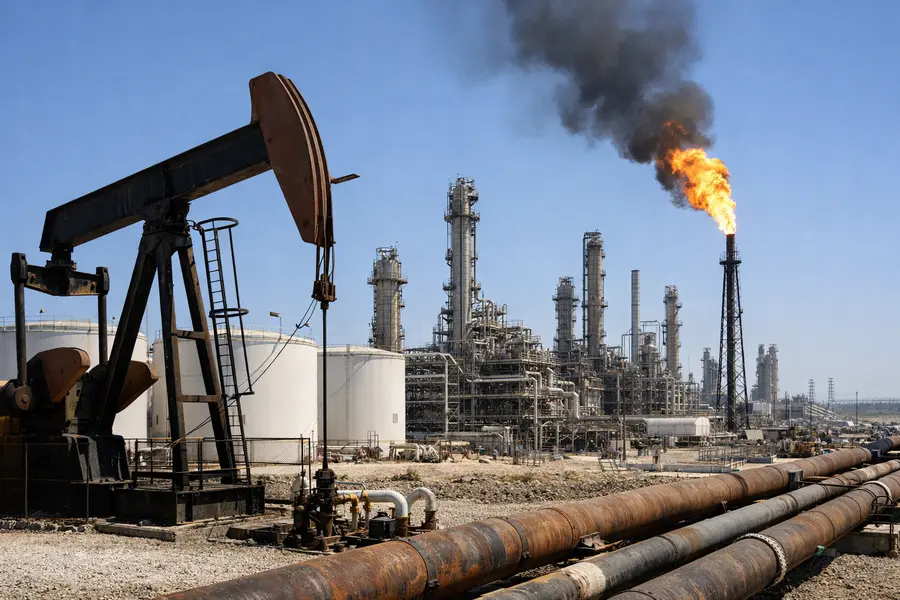
Brent crude jumped 4% to $113.17, its highest close since May, as the US and Israel were reported to plan fresh Iran strikes after the midterm elections.
- Brent rose 4% to $113.17 a barrel, its highest settlement since May 4. WTI gained 2.4% to $99.47.
- The New York Times reported US and Israeli plans for a "short but intensive" round of strikes on Iran after the midterms.
- Houthi attacks on Saudi energy sites and an Aramco evacuation order added to the supply-risk premium.
Lead
The global crude oil price climbed sharply on Thursday, October 22, after the New York Times reported that the United States and Israel have drawn up plans for a short, intensive round of new strikes on Iran once the November midterm elections are over. Brent crude futures settled at $113.17 a barrel, up 4%, the highest close since May 4 and the largest daily gain in about two weeks. US West Texas Intermediate rose 2.4% to $99.47 for December delivery. Brent has now gained more than 80% this year, with Persian Gulf disruptions driving most of the advance. Futures extended higher on Friday, touching $114.47.
What Happened to Oil Prices?
Oil prices rose broadly on Thursday as traders priced in a higher risk of renewed conflict in the Gulf. Brent's move lifted it from the $110 area, which it had closed above for the first time since May earlier in the week, to a new five-month high. WTI's smaller gain narrowed the Brent-WTI spread to about $13.70 a barrel, a sign that the premium is concentrated in seawborne, Gulf-linked supply rather than inland US barrels.
The White House said the United States will not attack Iran at any time before the midterm elections. That statement did little to calm the market, because the reported plans put the timing of any operation within weeks rather than months.
Why Did Oil Jump on the Iran Strike Plans?
Oil jumped because the reported plans raise the chance that Gulf energy infrastructure becomes a target, and because they arrived alongside direct attacks on Saudi Arabia. The New York Times report said the US and Israel have stepped up military drills, including flyovers of Iraq to rehearse strike maneuvers. Possible targets include Iran's energy infrastructure, nuclear facilities, and missile and drone stockpiles.
The same session brought physical disruption. A drone strike hit Saudi Aramco (2222.SR) operations at the Shaybah field, killing two people, though production continued. An attack on King Fahd International Airport in Dammam caused further casualties. The Houthis, an Iran-backed group based in Yemen, claimed recent strikes on the Saudi port of Yanbu. Aramco ordered employees to leave facilities in Dhahran, on the kingdom's Persian Gulf coast, and the State Department ordered the departure of non-essential personnel and family members from US diplomatic posts in Saudi Arabia.
Geopolitical Dimension
The Strait of Hormuz remains the central channel through which any escalation reaches energy markets. Roughly a fifth of global oil consumption normally passes through the waterway, and flows have recovered to levels above those seen before the Iran war began. That recovery leaves the market exposed: any renewed fighting would hit a system that has only recently normalised. Kuwait is exporting crude at pre-war volumes, but refined product shipments from the region remain constrained, which keeps diesel and other distillate markets tight.
The timing adds a domestic political layer. The administration is negotiating Russian diesel imports to ease US fuel tightness, a step that has drawn legislative scrutiny. Higher pump prices ahead of the November 3 vote raise the political cost of any move that disrupts supply, which is one reason the reported plan is sequenced after the election.
What Comes Next for Oil Prices?
Oil prices are likely to stay tied to headlines on Gulf security through the election, with the next test coming from whether attacks on Saudi infrastructure curtail output. Market participants describe limited conviction behind recent sell-offs, with regional tension acting as a price floor. The technical focus is on whether Brent can hold above $110 after Friday's push toward $114.
Three scenarios frame the next three to twelve months:
- Contained tension: Attacks stay limited, Hormuz flows hold, and Brent consolidates near current levels.
- Escalation after the vote: A strike campaign on Iranian energy or nuclear sites would push the risk premium higher and test the $115 area, with Hormuz transit the key variable.
- De-escalation: Renewed diplomacy or a delay in the strike plan would remove part of the premium, though supply risks from Houthi activity would persist.
Outlook
Brent's close at $113.17 reflects a market pricing both a possible second phase of the Iran conflict and active attacks on Saudi infrastructure. The reported post-election timetable gives traders a defined window of risk. Until then, the direction of the crude oil price depends on Gulf shipping flows, the security of Saudi facilities, and any signal from Washington or Tel Aviv on timing.
Mentioned tickers: 2222.SR