Pomegra
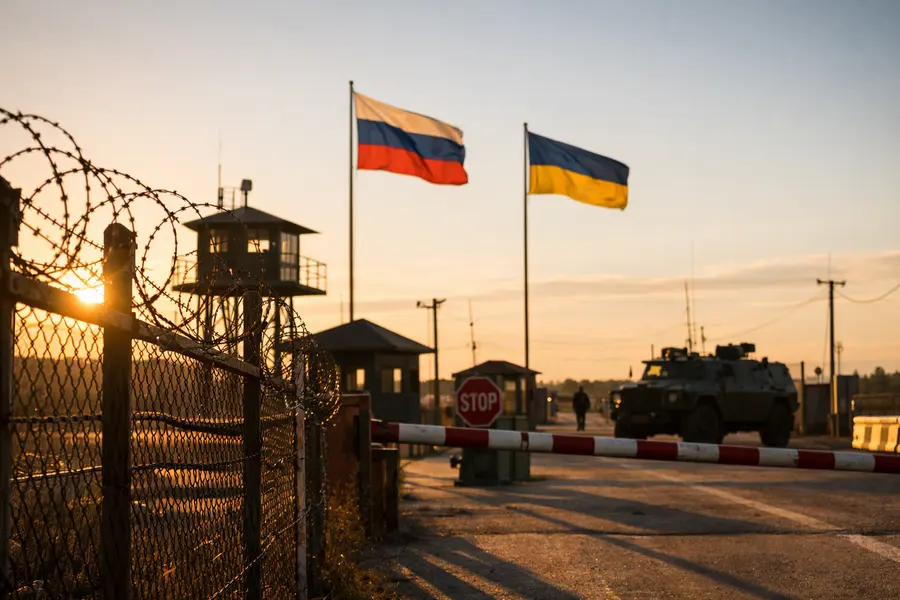
Moscow has agreed in principle to restart trilateral Ukraine peace talks with Washington and Kyiv on or after November 10, with Abu Dhabi the proposed venue.
- Russia agreed in principle to resume US-Russia-Ukraine talks on or after November 10, after Putin met envoy Steve Witkoff.
- Abu Dhabi is the proposed venue; Moscow wants a post-war security framework on the agenda.
- Russian missiles hit Kyiv hours after the announcement; the MOEX fell about 0.7% on October 22.
Lead
Russia said it is ready in principle to restart trilateral peace talks with the United States and Ukraine, which could resume on or after November 10. The signal followed a three-hour meeting in St. Petersburg on October 21 between President Vladimir Putin and US special envoy Steve Witkoff. Kremlin foreign affairs aide Yuri Ushakov relayed the timing. Spokesman Dmitry Peskov named Abu Dhabi as a possible venue. The Russian stock market gave up modest gains: the MOEX Russia index closed near 2,430 points on October 22, down about 0.7%, as investors read the talks as producing no breakthrough.
What Did Moscow Agree To?
Moscow agreed to a new round of trilateral negotiations, not to a ceasefire or a settlement. Ushakov said Russia wants to discuss a "security framework" for both Russia and Ukraine after the war ends, without detailing what Moscow would demand. He also said the proposals Witkoff brought lacked "substance." Peskov said the Kremlin would study the US ideas and that the process would take a long time.
Putin ruled out a face-to-face meeting with Ukrainian President Volodymyr Zelensky. Russia's stated position still includes taking the parts of eastern Ukraine it does not yet control, a demand Kyiv rejects.
As a goodwill gesture, Russia released Stephen Hubbard, a US citizen and retired teacher held since 2022 on "mercenary" charges that Washington disputes.
How Did Kyiv and Washington Respond?
Kyiv said it backs a three-way meeting and wants it sooner than Moscow does. Witkoff met Zelensky in Norway a day before seeing Putin and called the session productive. Zelensky said Russia's feedback indicated support for a trilateral format and called for a meeting no later than early November. He has also floated freezing the current front line as a first step. Moscow's preferred timing of mid-November falls after the US congressional elections on November 3.
Witkoff said the talks would continue at a technical level. President Donald Trump has said an end to the war is perhaps closer than ever. This would be the latest in a series of US-brokered rounds this year, including sessions in Abu Dhabi and Geneva. None has produced a durable ceasefire.
Why Did Fighting Continue Despite the Diplomacy?
Fighting continued because neither side has agreed to pause strikes while talks are pending. Hours after Putin's agreement was announced, Russian ballistic missiles and drones hit Kyiv overnight, killing at least one person and injuring more than 20. Russian strikes elsewhere in Ukraine killed at least four more people on October 21. Ukraine answered with drone attacks on Moscow and surrounding regions, which injured two people, and on targets in the Luhansk region.
The pattern is familiar from earlier rounds. Both sides use diplomacy to manage Washington while continuing to press militarily and to compete over territory and leverage before any negotiation.
How Did the MOEX Russia Index and Oil React?
The MOEX Russia index slipped about 17 points to near 2,430 on October 22, a decline of roughly 0.7%. A stronger ruble added pressure on the ruble-denominated benchmark, which is weighted toward exporters whose earnings are in dollars. Investors who had priced in a modest diplomatic dividend took profits when the Kremlin's language offered no concrete concession.
Oil was driven by other factors. Brent crude rose above $110 a barrel, a five-month high, on tanker attacks near the Strait of Hormuz and unrest in the Gulf. Peace-talk headlines had only a secondary effect. The Russia track still matters for energy. The United States has eased some restrictions on Russian fuel, including a diesel arrangement allowing shipments to America, to relieve domestic fuel prices. A durable settlement would raise the prospect of wider sanctions relief and the return of more Russian barrels to Western markets. With Brent above $110, that makes Washington's interest in a deal as much economic as diplomatic.
What Are the Obstacles to a Deal?
The main obstacle is the gap over territory and security guarantees. Russia insists on control of the remaining eastern areas it claims and wants a post-war security architecture that constrains Ukraine's alignment with the West. Kyiv wants the front line frozen where it stands and binding guarantees against renewed attack. Moscow has not said how it would reconcile those positions. Its refusal of a Putin-Zelensky meeting also rules out a leaders' channel that could break a technical deadlock.
Timing adds friction. A mid-November start gives Moscow room to see the outcome of the US elections and the winter strike campaign before committing to terms. Kyiv's push for early November reflects concern that energy infrastructure will face another winter of attacks.
Outlook
The restart gives Washington a procedural win but leaves the substantive positions unchanged. The next steps are a date and venue confirmation, likely Abu Dhabi, and technical-level preparation before November 10. Over the next three to twelve months, a framework on post-war security and a front-line freeze would be the first measurable signs of progress. Absent those, the MOEX Russia index is likely to keep trading on oil, the ruble and sanctions headlines rather than on diplomacy alone. A ceasefire would be the first real test of whether any sanctions relief reaches Russian exporters and global energy supply.
Mentioned tickers: None