Pomegra
Canada's Carney says Trump's 50% tariffs raised costs for American families, as Ottawa and Ontario unveil nearly C$9 billion in support for steel and autos.
- Carney says the 50% US steel duties raised costs for American families and upended decades of bilateral trade ties.
- Ottawa and Ontario announced nearly C$9 billion (about US$6.2 billion) for steel, autos and critical minerals.
- The US Embassy accused Canadian officials of seeking to influence US midterm elections.
Lead
Prime Minister Mark Carney said on October 21 that Donald Trump's 50% tariffs have raised costs for American families while leaving Ontario workers and businesses at a disadvantage and under a cloud of uncertainty. He made the remarks in Ottawa while announcing, with Ontario Premier Doug Ford, a support package of nearly C$9 billion for the province's steel and auto industries. Carney said the duties have "upended a trade bargain that's existed for decades."
What Did Canada Announce?
Canada and Ontario announced a joint package of roughly C$8.7 billion to C$9 billion, equal to about US$6.2 billion, aimed at steel, autos and mineral development.
The main components are:
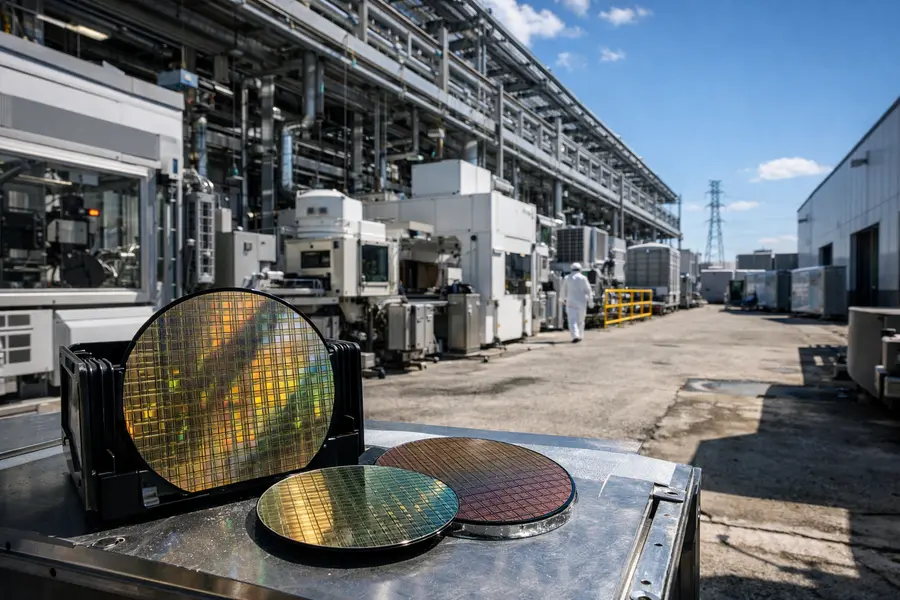
- Steel: About C$5 billion to modernise Ontario steel mills, delivered through a new Joint Steel Action Fund. The federal share is C$3.55 billion and Ontario adds C$1.67 billion.
- Autos: C$2.5 billion over two years to help the auto sector retool for electric vehicle production.
- Critical minerals: Up to C$1 billion for roads into the Ring of Fire mining region of northern Ontario, matched by provincial funds. The region is linked to about 70,000 prospective jobs.
- Regulation: The fleet-average vehicle performance standard is frozen at 172 grams per mile through 2029. Annual increases resume in 2030, giving automakers more flexibility in the near term.
- Enforcement: The Canada Border Services Agency will step up action against steel dumping.
The government said the measures help protect about 220,000 jobs across the auto and steel sectors. Canada imports roughly 6.5 million tonnes of steel a year, and Carney said it is "time to be our own best customer" on domestic steel.
Why Does Carney Say US Tariffs Hurt American Families?
Carney argues that the tariffs act as a tax on US buyers, because duties on steel and aluminum feed into prices for vehicles, appliances and construction. He said the measures "make both our industries weaker and reduce choice for our families."
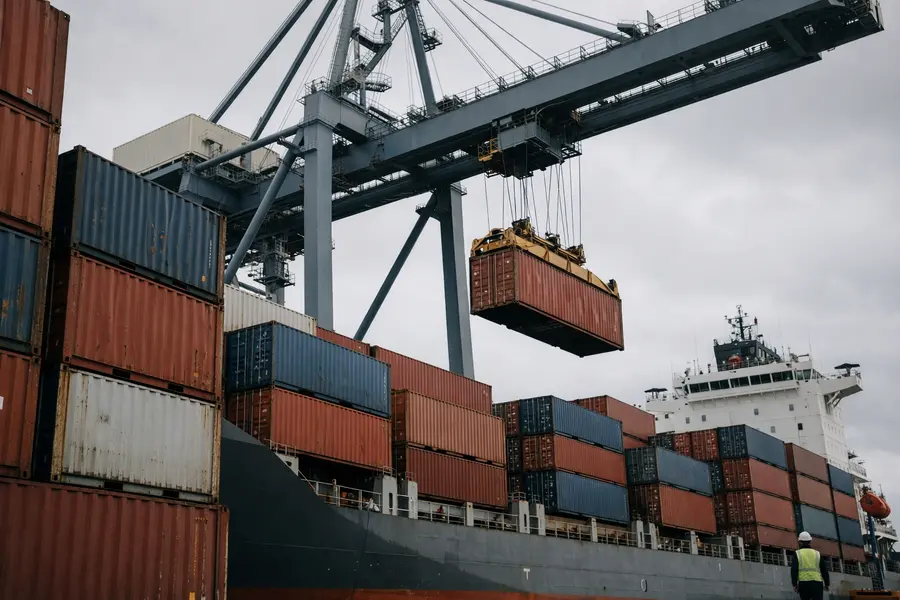
US price data point the same way. Steel prices have risen about 33.9% and aluminum prices about 58% since February 2025. The 50% rate applies to roughly US$20 billion in Canadian goods. Independent assessments of the duties have found price increases for American businesses and consumers without substantial gains in output or employment.
The cross-border effects are also visible in trade flows. Canadian auto exports to the United States have fallen by more than 10%, and US exports to Canada have dropped by more than 20%.
How Is Washington Responding?
The US Embassy accused Canadian politicians of attempting to influence the American midterm elections. It cited Industry Minister Mélanie Joly's discussion of retaliatory tariffs aimed at Republican-held states. It also cited an advertisement funded by Ford that invokes Ronald Reagan's criticism of tariffs.
The dispute shows how trade policy has become entangled with US domestic politics. Retaliation that targets politically sensitive states gives Ottawa leverage, but it also invites accusations of interference and narrows room for talks.
What Does the Package Mean for Steel Producers?
The steel fund supports domestic producers in a market where the United States was long the main export outlet. The announcement came amid a dispute with Cleveland-Cliffs (NYSE: CLF), whose Ontario layoffs affected about 500 workers. Canadian officials are considering legal action against the company. The company's shares traded near $14 after the announcement.
Ford said Canada's relationship with the United States "has changed permanently" and that "no matter who sits in the White House, we're not going back to the way things were." Carney set a goal of doubling Canadian exports to non-US markets within a decade.
Strategic Context
The package marks a shift from short-term relief toward structural adjustment. Mill upgrades, EV retooling and mineral access are multi-year investments that assume US tariffs remain a durable feature of the market. The pause on stricter emissions standards eases pressure on automakers whose EV plans were set before the tariffs. It also trades away some near-term climate ambition.
For US industry, the effect runs both ways. American manufacturers that rely on integrated North American supply chains face higher input costs. Some steelmakers benefit from reduced import competition.
What Comes Next for Canada-US Trade?
The next test is whether the aid shifts investment decisions in the next 6 to 12 months. Funding is spread over several years, and many of the Ring of Fire road projects will take longer to deliver. Pressure on the US side is likely to build as midterm campaigns focus on prices, with tariff costs a recurring theme.
Three scenarios are in play. Tariff relief tied to a wider trade settlement is possible but not signalled. Continued escalation, including targeted Canadian countermeasures, would intensify the political dispute. A prolonged stalemate would leave Canadian industry relying on subsidies and export diversification.
Outlook
Carney has framed the 50% tariffs as a cost to families on both sides of the border, and Ottawa is backing that stance with nearly C$9 billion for steel, autos and critical minerals. Washington has responded with allegations of election interference rather than concessions. Canadian policy is now built around an assumption of lasting tariffs and a wider export base.
Mentioned tickers: CLF