Pomegra
Bitcoin trades near $86,000, 32% below its $126,080 record, while the S&P 500 and Nasdaq hit all-time highs as yields and rate-hike bets drive the divergence.
- Bitcoin sits near $86,000, about 32% under its Oct. 6, 2025 record of $126,080 and down roughly 30% over twelve months.
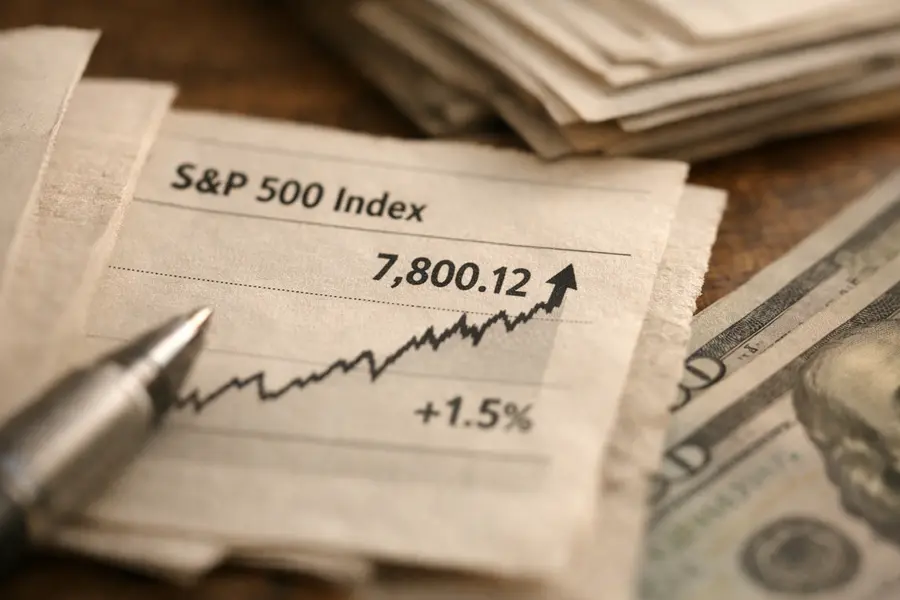
- The S&P 500 gained 0.8% to 7,835 on Tuesday, a record close, as bitcoin stalled below $87,000 resistance.
- The 10-year Treasury yield at 5.25% and a hawkish Fed backdrop have turned bitcoin into a rates-sensitive asset.
Lead
Bitcoin traded near $86,000 on Tuesday, about 32% below the record of $126,080 it set on Oct. 6, 2025, even as U.S. equities extended to fresh highs. The S&P 500 rose 0.8% to 7,835, and the Nasdaq also broke to a record. Investors in the stock market today are rewarding earnings growth and artificial intelligence spending. Crypto remains capped by high long-term borrowing costs and a recent run of fund outflows. The gap marks one year since the token's peak and a break from the 2024-2025 pattern in which bitcoin and equities rose together.
What Happened to Bitcoin Over the Past Year?
Bitcoin fell from its record to a low of $65,710 on June 3, 2026, and has since recovered about 30% from that trough. The June slide followed a 10-day streak of net outflows from U.S. spot bitcoin exchange-traded funds, the longest since the products launched in January 2024. Cumulative outflows reached about $2.96 billion from May 15, and $1.8 billion of leveraged positions were liquidated in a single day.
Strategy (NASDAQ: MSTR), the largest corporate holder, drew scrutiny after it sold bitcoin during the decline. Its shares touched a 45-day low near $145. The company still held 845,256 coins as of its June disclosure.The recovery carried bitcoin to the edge of an eight-month high. It reached $86,950 early Monday, within about $500 of that peak, before reversing.
Why Is Bitcoin Falling Behind Stocks?
Bitcoin is lagging because it now trades as a bet on interest rates rather than as an inflation hedge, while equities are driven by earnings. The 10-year Treasury yield stands near 5.25%, close to its highest since 2007. Rate increases and an oil shock tied to the Gulf conflict have raised the cost of holding assets that pay no income.
Equity leadership has also narrowed toward AI-linked companies, drawing capital away from digital assets. The SPDR S&P 500 ETF Trust (SPY) and the Invesco QQQ Trust (QQQ) track indexes at records. Spot bitcoin funds saw a rotation toward stocks over the summer.
The relationship between the two is only partly restored. The 30-day correlation between bitcoin and the S&P 500 reached 0.51 on Oct. 2, its highest since early June. That is a modest positive reading, and it shows bitcoin has joined equity rallies only in part.
What Is Holding Bitcoin Below $87,000?
A concentration of sell orders near $87,000 has capped each advance, and three attempts this month have failed at that level. The most recent came Monday, when bitcoin fell back by about $1,000 as the dollar strengthened. A Bloomberg gauge of the U.S. currency rose 0.4%, and the euro dropped to its weakest since May 2025.
Macro data has been mixed. Softer U.S. jobs figures on Friday cut the CME FedWatch probability of an October rate hike to 18.3% from about 70% a week earlier. The 10-year yield eased two basis points on the day. Even so, the Federal Reserve has not signaled an end to tightening, and traders are watching minutes from its latest meeting.
Fund flows are neutral. U.S. spot bitcoin ETFs took in $241.09 million last week, a third straight weekly gain. Monday brought a $90 million outflow, and about $172 million in leveraged positions were liquidated as prices slipped toward $85,500 ahead of the minutes.
Market Reaction
Equity strength has not spilled into crypto. Stock indexes closed at records on Tuesday, while bitcoin moved in a narrow band around $86,000. The token is up 30% from its June low but remains 32% below its peak. Traders are positioned for a break either way, with $87,000 as resistance and the mid-$85,000 range as nearby support.
What Comes Next for Bitcoin and Stocks?
The next direction for both depends on Treasury yields and the Federal Reserve's reading of the labor market and inflation. A sustained fall in the 10-year yield would remove the main headwind for bitcoin. Another jump in yields would test equity valuations, which sit at records, and would pressure crypto further.
A close above $87,000 would put bitcoin at its highest since February and open a path toward the $100,000 area. Failure there would leave it in a range that has held since late summer. In either case, the Fed minutes and the next inflation reading will set the near-term tone.
Outlook
Bitcoin enters the second year after its record 32% below the high, while U.S. stocks set new peaks. The divergence reflects 5.25% long-term yields, a Fed that has not ruled out further hikes, and capital rotating toward AI-linked equities. ETF inflows have resumed but remain modest. Until yields ease or flows build, bitcoin is likely to stay tied to rate expectations and range-bound below $87,000.