Pomegra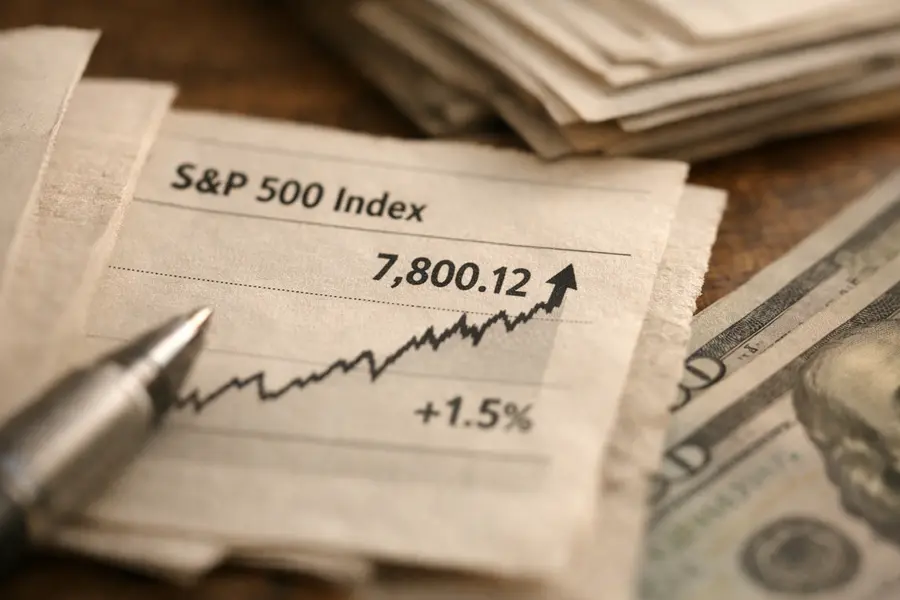
The S&P 500 closed at a record 7,818.93 and the Nasdaq at 27,599.79 as falling yields and oil lifted tech ahead of next week's third-quarter bank earnings.
- S&P 500 rose 0.58% to 7,818.93, its first close above 7,800 and 28th record of 2026.
- Nasdaq gained 0.45% to a record 27,599.79; the Dow added 0.49% to 51,521.28.
- Third-quarter earnings season opens next week with JPMorgan Chase on October 13.
Lead
U.S. equities closed at fresh records on Tuesday, October 6, with the S&P 500 finishing at 7,818.93, up 44.98 points, or 0.58%. It was the benchmark's fourth straight gain and its first finish above 7,800. The Nasdaq Composite rose 0.45% to a record 27,599.79, and the Dow Jones Industrial Average gained 0.49% to 51,521.28. The advance came days before the third-quarter earnings season opens with the largest U.S. banks.
Stock Market Today: What Happened on Tuesday?
The S&P 500 opened at 7,805.96 and held its gains through the session, led by technology and utilities. It was the index's 28th record close of 2026. The Nasdaq set back-to-back record closes on Monday and Tuesday and is up about 2.75% in October.
Chipmakers and large-cap software led the move. Nvidia (NVDA) rose roughly 0.7% and carries a market value near $5.8 trillion, putting the $6 trillion mark within reach. Advanced Micro Devices (AMD) and Microsoft (MSFT) also advanced. Exchange-traded funds that track the benchmarks, including the SPDR S&P 500 ETF Trust (SPY) and the Invesco QQQ Trust (QQQ), moved to new highs alongside them.
Why Did Markets React This Way?
Markets rose because softer inflation-sensitive inputs eased pressure on valuations: Treasury yields slipped and U.S. crude fell. The 10-year Treasury yield closed at 5.275%, down 3.6 basis points, and the 30-year yield ended at 5.647%, down 1.7 basis points. Both remain near multiyear highs, a headwind that equities have so far absorbed.
Oil was mixed. West Texas Intermediate fell 2.28% to $87.37 a barrel, while Brent crude edged up 0.55% to $100.87. The drop in the U.S. benchmark reduced concern over input costs and energy-driven inflation.
A weaker-than-expected payrolls report on Friday also shifted the rate debate. Futures pricing shows about a 78% probability that the federal reserve holds rates steady at its meeting this month, easing earlier worries that it might raise them.
How Strong Is the AI Trade Behind the Rally?
The rally rests largely on artificial intelligence spending, which continues to drive earnings at chipmakers, cloud providers and the utilities that supply data centers. The concentration is visible in index performance. Nvidia's size alone makes it a primary swing factor for the S&P 500 and the Nasdaq.
The same dependence is a vulnerability. Equity gains are arriving while long-dated Treasury yields sit above 5%, which raises the discount rate applied to future profits. Technology multiples have expanded despite that. A move higher in yields without matching earnings upside would test the current valuation levels.
What Should Investors Expect From Earnings Season?
Earnings season opens next week with the largest U.S. banks. JPMorgan Chase (JPM) is scheduled to report on October 13, and other major lenders follow in the same window. Their results typically offer early readings on loan demand, credit quality and trading and investment banking revenue.
Expectations are high. Projected third-quarter profit growth for S&P 500 companies runs from roughly 27% to above 30% from a year earlier, depending on the estimate, with AI-linked companies contributing a disproportionate share. A rate of growth at that level sets a demanding bar. Companies that merely meet forecasts risk selling off from record-high prices, while upside surprises in technology could extend the advance.
Banks will also supply a read on how elevated long-term yields are affecting net interest income and deposit costs. Later in the month, the largest technology companies are due to report, bringing capital-spending plans for AI infrastructure into focus.
Market Structure and Risks
Several cross-currents sit beneath the headline records:
- Rates: The 10-year yield above 5.2% competes with equities for capital and pressures valuations.
- Energy: Brent near $100 a barrel keeps inflation and consumer-spending risks in view even as WTI retreats.
- Policy: A Fed hold is the base case this month, but a stronger data run could revive rate-hike pricing.
- Concentration: A handful of mega-cap technology names account for a large share of index gains.
Breadth is improving at the margin, with utilities and industrial shares participating. The Dow's move to 51,521.28 confirms that the advance is not confined to the Nasdaq.
Outlook
The S&P 500 enters the week at an all-time high of 7,818.93, supported by easing yields, a pause in Federal Reserve tightening expectations and strong AI-driven earnings forecasts. The next catalysts are the bank earnings starting October 13, inflation data and the Fed's decision later this month. Results and guidance from technology leaders, led by Nvidia, will determine whether the market can hold above 7,800.
Mentioned tickers: SPY, QQQ, NVDA, MSFT, AMD, JPM