 Pomegra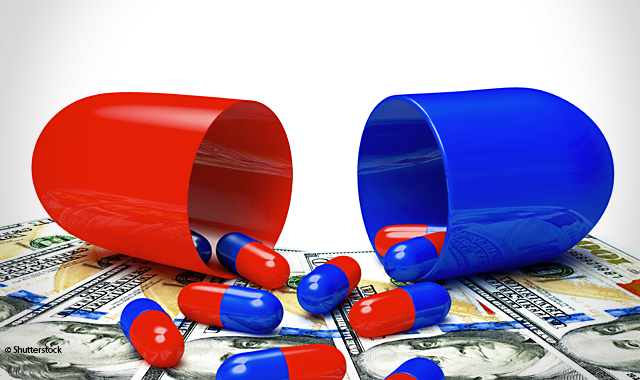
Pharma Tariffs Hit 100% on Drugmakers Without Pricing Deals
Why did the 100% pharma tariff start on September 29?
The 100% US tariff on patented drug imports took effect Tuesday for drugmakers without pricing deals, while 17 large firms including Pfizer (PFE) stay exempt until January 2029 under those deals.
Key numbers
| Default tariff on patented drugs | 100%in force from Sep 29 |
|---|---|
| Deal-exempt large drugmakers | 170% to Jan 20, 2029; one report says 13 (per [5]) |
| Named zero-tariff countries and regions | 19for orphan, cell and gene drugs |
| Rate for EU, Japan, S. Korea, Swiss drugs | 15%instead of 100% |
| Rate with approved US factory plan | 20%rises to 100% in 2030 (per [2]) |
| Drugmakers with a non-exempt drug | 100+mostly small and mid-sized |
What happened
The 100% US tariff on patented drug imports took effect Tuesday for drugmakers without pricing deals, while 17 large firms including Pfizer (PFE) stay exempt until January 2029 under those deals. Rare-disease (orphan) drugs and cell and gene therapies pay no tariff if they come from 19 named countries and regions, including the EU, Japan, India and the UK. Drugs from the EU, Japan, South Korea and Switzerland otherwise face 15%, and firms with a US factory plan pay 20%. More than 100 drugmakers, mostly small and mid-sized, make at least one drug that is not exempt.
Why it matters
The 100% pharma tariff matters because it can raise the cost of imported patented medicines that do not qualify for an exemption. Big drugmakers with pricing deals are shielded, so the burden falls mostly on smaller companies that rely on contract factories abroad. An industry group for smaller drugmakers warned the tariffs could raise costs and slow research, and some firms may close or merge.
Who this affects
- MarketmixedMedium impact
- Small drugmakers face more risk than deal-signing large drugmakers.
- CompanybearishMedium impact
- Drugmakers without pricing deals now face a 100% tariff.
- CompetitorsbullishMedium impact
- Deal signers keep 0% rates through January 2029; others pay.
- IndustrybearishMedium impact
- Smaller drugmakers may close or merge, CNN reported.
Drugmakers Without Deals vs Deal Signers, EU-Made Drugs, US Factory Plans
| Drugmakers without pricing deals— | 100% | — |
|---|---|---|
| 17 large drugmakers with pricing deals— | 0% | 2029-01-20 |
| EU, Japan, S. Korea, Swiss-made drugs— | 15% | — |
| Firms with approved US factory plan— | 20% | 100% in 2030 |
As of 2026-09-30
How we got here
Proclamation sets 100% tariff on patented drugs and ingredients, with exemptions.
17 large drugmakers had signed pricing and US manufacturing deals by this date.
Commerce lists 19 eligible jurisdictions and exempt specialty product types.
Tariff takes effect for all other branded drugmakers.
What to watch
- Whether Commerce clarifies which drugs and companies qualify; no guidance existed as of Sept 21.Q4 2026
- Small drugmakers seeking the 20% rate through US manufacturing plans, rising to 100% in 2030.Q4 2026
- Expiry of the 0% rates for the deal-signing large drugmakers.2029-01-20
Educational content only. Not investment advice.
More briefsAll briefs →
Navitas Stock Jumps 20% After-Hours on US Army Award
Navitas (NVTS) opened Tuesday 9% higher at $12.81, then faded; financial terms of the award were not disclosed.
Alphabet Stock Falls 1% as Google Appeals EU Antitrust Orders
Alphabet (GOOGL) is fighting orders to open Android to AI rivals and share search data from January 2027
Nikkei Rises 1.2% as Trump Backs AI Self-Regulation
Japan's Nikkei 225 (^N225) gains as SoftBank jumps 6% and Trump rejects AI talks with China.