 Pomegra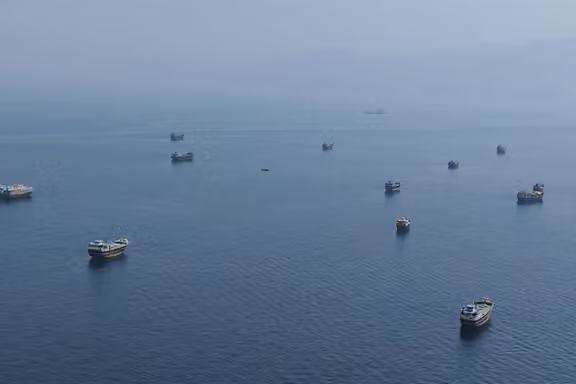
Brent Crude Falls to $97 as Iran Offers 7-Day Hormuz Reopening
Why is oil down today?
Brent crude (BZ=F) fell 2.75% to $97.58 a barrel on Tuesday after Iran offered to reopen the Strait of Hormuz within seven days if Washington eases military pressure and lifts port blockades.
Key numbers
| Brent Crude (intraday low) | $97.58/bbl-2.75% on the day |
|---|---|
| WTI November futures | $89.92/bbl-2.65% on the day |
| Hormuz share of global oil | ~20%unchanged (physical) |
| Brent YTD 2026 | $99.75/bbl+47.5% since Jan 1 |
| Brent 2026 peak | $126/bblApril 2026, four-year high |
| Iran's offer window | 7 daysproposal transmitted Sep 16 |
What happened
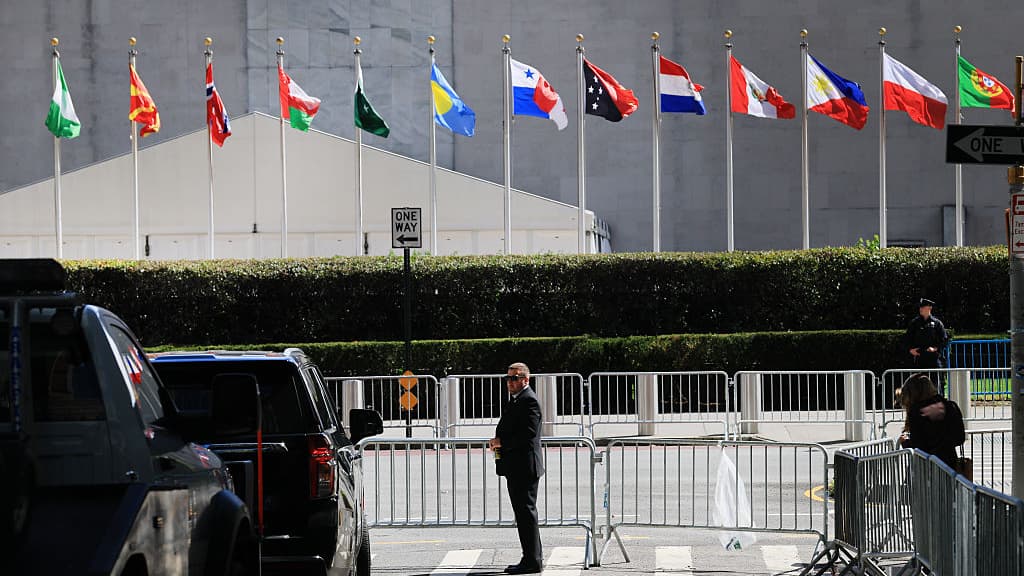
Brent crude (BZ=F) fell 2.75% to $97.58 a barrel on Tuesday after Iran offered to reopen the Strait of Hormuz within seven days if Washington eases military pressure and lifts port blockades. Supreme Leader Mojtaba Khamenei approved the proposal, which was transmitted to Washington through mediators on September 16, as Iranian President Pezeshkian headed to UNGA in New York. WTI (CL=F) slid to $89.92, a two-week low, as roughly one-fifth of global daily oil supplies hang in the balance. Brent peaked at $126 a barrel in April — a four-year high — after Iran closed the strait in February following U.S.-Israeli strikes, and still sits 47% above its start-of-year level.
Why it matters
Brent crude has been running at prices not seen since 2022 because the Strait of Hormuz — the narrow channel that handles roughly one-fifth of all oil shipped globally — has been closed since February, lifting pump prices for consumers worldwide. A genuine reopening would flood markets with bottled-up supply and likely push crude prices sharply lower — good news for fuel bills, but painful for oil-producing nations. The catch: Iran and the United States struck a ceasefire deal in June that collapsed within three weeks, so traders are treating Tuesday's offer as promising but unproven.
Who this affects
- MarketbearishHigh impact
- Oil traders face losses as Brent drops 3% on deal hopes.
- CompanybearishHigh impact
- Oil producers face revenue drop if Brent keeps falling.
- CompetitorsbullishMedium impact
- Airlines and oil importers gain as crude prices decline.
- IndustrymixedHigh impact
- Refiners benefit; tanker owners face rate cuts if deal holds.
Brent Crude vs WTI, Natural Gas
| Brent CrudeBZ=F | $97.58/bbl | -2.75% | +47.5% | $126/bbl |
|---|---|---|---|---|
| WTI CrudeCL=F | $92.40/bbl | -3.53% | +41.7% | $118/bbl |
| Natural GasNG=F | $2.84/MMBtu | +0.26% | — | — |
As of 2026-09-22
How we got here
Iran closes Hormuz after US-Israeli strikes kill Supreme Leader Khamenei
US implements full naval blockade of Iranian ports; Brent hits $118
Islamabad Memorandum ceasefire signed; Hormuz briefly reopens
Ceasefire collapses; Iran attacks ships; US reinstates blockade
Iran offers 7-day Hormuz reopening at UNGA if US eases pressure
What to watch
- US official response to Iran's seven-day Hormuz conditions2026-09-23
- UNGA sideline diplomacy; Qatar mediates US-Iran talks this week2026-09-27
- Brent holds below $100 or rebounds if offer collapses2026-09-29
Educational content only. Not investment advice.
More briefsAll briefs →

Anthropic IPO Targets $2 Trillion Before Midterms
Nvidia (NVDA) mulls a $10B anchor stake as Anthropic eyes a record $2 trillion Nasdaq listing in October.

Alibaba Stock Jumps 3% as T-Head Unveils China's Most Powerful AI Chip
Alibaba (BABA) pledges $53B for AI, powering the Zhenwu V900 and a plan for 20 GW of data centers by 2032.
Brent Crude Rises to $101 as Trump Eyes Iran Talks at UNGA
Brent (BZ=F) touches $101.51 — +41% in 2026 — as Trump signals readiness to meet Iran's Pezeshkian at UNGA.